The Resale Mindset: How to Treat Your Car as a Future Asset
For most people, a car is the second-largest purchase they’ll ever make, yet it’s often treated with the foresight of a disposable razor. I’ve watched countless buyers walk into a dealership, haggle fiercely over the purchase price, and then proceed to make every decision that erodes the car’s value from that moment forward. Maximizing resale value isn’t about luck; it’s a deliberate strategy that begins the day you drive off the lot. It requires a fundamental shift in perspective: from seeing your car as merely transportation, to viewing it as a depreciating asset that you can, with care, defend.
The difference between a car that sells quickly for a strong price and one that languishes on the lot with a discounted sticker is rarely a mystery. It’s the sum of a thousand small choices. Over the years, I’ve identified clear, consistent patterns that separate the savvy owners from the disappointed sellers. This guide isn’t theoretical; it’s a compilation of what actually works in the real, often unforgiving, used car marketplace.
The Foundation: Impeccable, Documented Maintenance
This is non-negotiable. It’s the single most important factor under your control, and the area where most owners falter. A clean CarFax might get a buyer to look, but a comprehensive, verifiable service history is what closes the deal.
In practice, owners fall into two camps. The first follows the manufacturer’s recommended schedule at a reputable shop, keeps every receipt, and logs every service. The second follows an “if it ain’t broke” philosophy, changes the oil when they remember, and views maintenance as an annoying cost. To a serious buyer, the second owner’s car is a ticking financial time bomb.
Go beyond just oil changes. The prescribed 30,000, 60,000, and 100,000-mile services are critical. That 100k-mile service, often including timing belts, water pumps, and major fluid flushes, is a psychological cliff for buyers. Having it completed, with documentation, can erase that cliff entirely. I’ve seen identical five-year-old sedans with a $4,000 price gap based solely on the completeness of the maintenance binder in the glovebox. One looked like a responsible investment; the other, a gamble.
Actionable Insight: Create a physical and digital folder. Every invoice, every receipt, every note from a technician goes in. This isn’t just paperwork; it’s the biography of your car’s health. When you sell, this portfolio is your most powerful negotiating tool.
Preservation Over Modification: The Unseen Battle
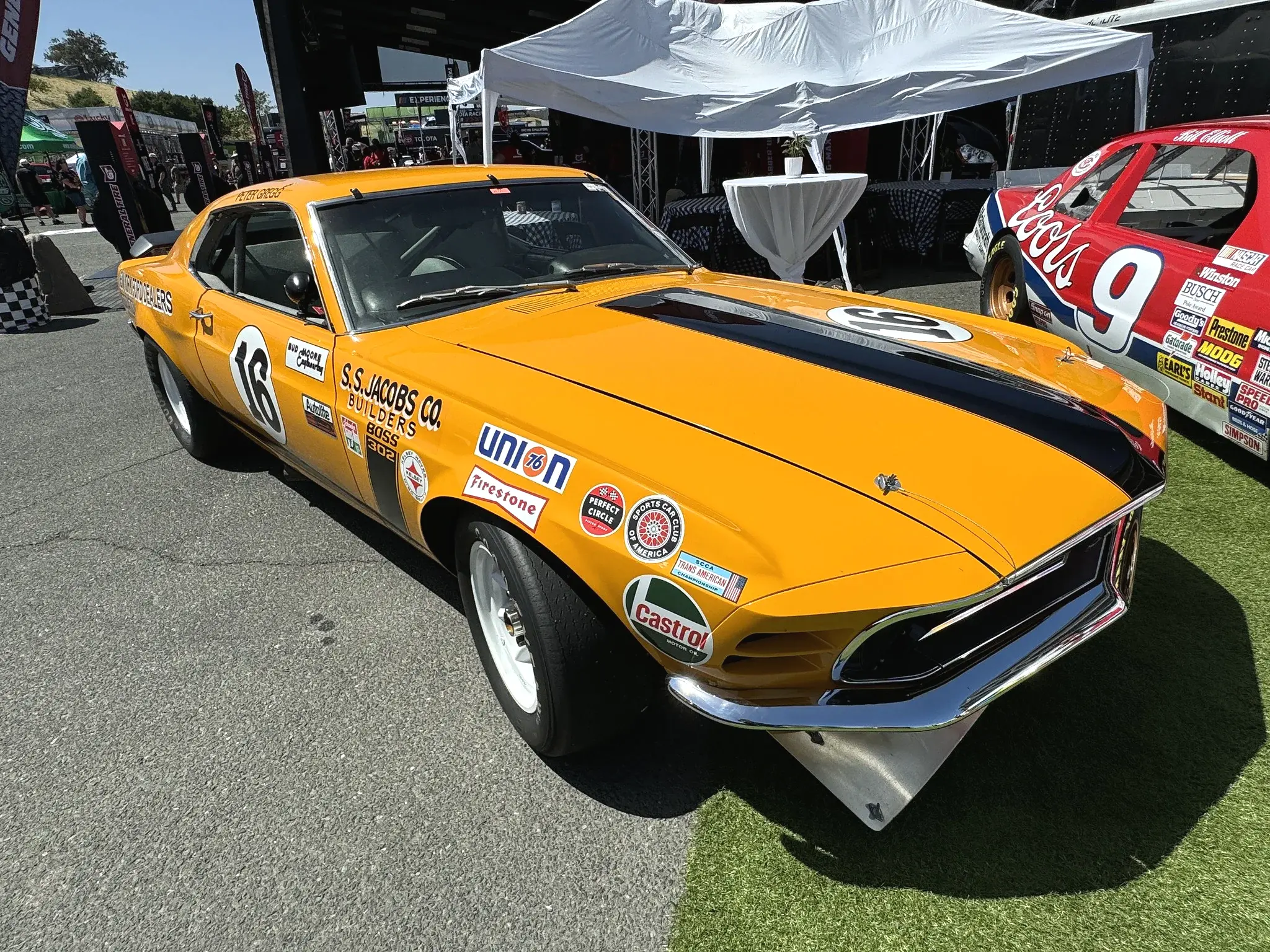
The aftermarket industry is built on personalization, but the used car market punishes it. This is a painful truth for enthusiasts, but a vital one for anyone focused on value. A modification is an expression of your taste; to the next buyer, it’s a potential problem, an unknown variable, or simply an eyesore.
I’ve watched modified cars—even expensive, well-executed ones—sit for months while stock examples sell in days. The pool of buyers for a modified vehicle shrinks dramatically. The one person who loves your specific wheel, suspension, and exhaust setup might pay a premium, but finding that person is a long shot. The broader market wants blank slates, not someone else’s project.
This applies doubly to anything that alters engine performance (chips, tunes, intake/exhaust) or suspension geometry. These raise immediate red flags about drivetrain stress and ride quality. Even aesthetic changes like non-factory wheels or window tint can limit your buyer pool. If you must modify, keep all original parts. The ability to return the car to stock before sale is often the difference between a smooth transaction and a painful one.
The Art of Presentation: Cleanliness as a Proxy for Care
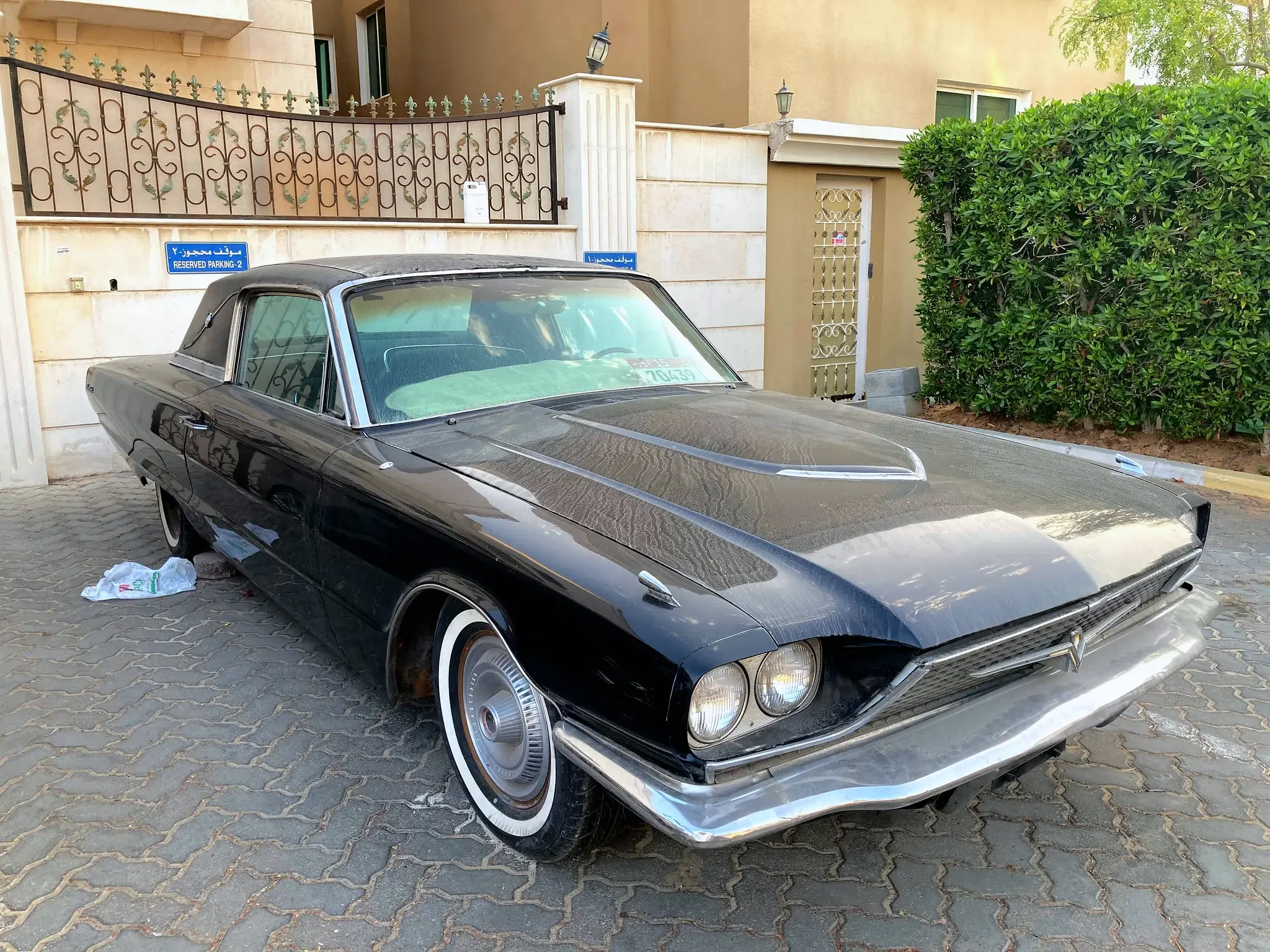
A dirty car tells a story, and it’s never a good one. To a potential buyer, a stained interior, cloudy headlights, or swirling paint isn’t just a cosmetic issue—it’s evidence of neglect. If the owner couldn’t be bothered to vacuum, what else did they skip? The mind of a buyer jumps to mechanical neglect instantly.
Professional detailing before sale is not an expense; it’s one of the highest-return investments you can make. A deep interior clean, paint decontamination, and a quality polish do more than make the car look nice. They signal meticulous ownership. I recall a seller who had his ten-year-old SUV professionally detailed. The dealer’s initial offer jumped by $1,500 the moment he saw it. The dealer wasn’t paying for the detail; he was paying for the confidence that the car had been cared for at that level for a decade.
Address minor wear items proactively. Replace worn floor mats. Fix that broken cup holder. Have a professional remove minor interior stains. These are small, cheap fixes that prevent a buyer from mentally compiling a “to-do” list and deducting thousands from their offer.

Strategic Ownership: Mileage, Timing, and Configuration
You can’t control time, but you can control how you move through it.

Mileage Management: The depreciation curve is steepest in the first few years and then gradually flattens. However, mileage acts as an accelerant. 15,000 miles per year is average. Staying significantly below that average (e.g., 10k/year) creates a standout listing. If you have multiple vehicles, be strategic about which car accumulates long highway commutes. Those are easy miles for the car, but they crush resale math.
The Sweet Spot for Sale: There are two prime windows. The first is before the factory warranty expires (typically 3 years/36k miles). This captures buyers who want a near-new car without the new-car price. The second is before a major milestone service (like the 100k-mile service mentioned earlier) or before a new model generation is rumored. Selling a car at 95,000 miles is psychologically easier than at 105,000 miles, even if the service is done.
Configuration Choices: Color matters. Resale champions are almost always conservative: white, black, silver, gray, and mainstream shades of blue or red. A bright orange or lime green exterior dramatically narrows your buyer field. Similarly, popular options packages hold value better than a stripper model or an oddball configuration. A well-optioned car is usually a safer bet than a base model or a maxed-out rarity.
Documentation and Transparency: Building Trust is Currency
The selling process is an exercise in mitigating risk for the buyer. Your job is to eliminate unknowns. The maintenance file is your star witness, but don’t stop there.
Be prepared to explain any anomalies. A single accident on the CarFax isn’t necessarily a death sentence if you have the repair documentation from a reputable shop showing the extent and quality of the work. Hiding it is a death sentence for the deal. Transparency builds credibility. I’ve seen sellers provide a simple, honest summary: “Minor rear bumper scrape repaired at Certified Collision Center in 2022, documentation included.” It disarms the buyer and controls the narrative.
Gather your title, all recall service notices (proving they were completed), and even records of new tires or a recent battery. This isn’t just data; it’s a narrative of responsible stewardship.
The Final Act: Choosing Your Marketplace Wisely
Where and how you sell is the final lever. The private party sale will almost always yield the highest return, as you’re capturing the full market value. However, it requires time, effort, and comfort with negotiation. Prepare for a parade of tire-kickers and lowballers.
Online instant-offer services (Carvana, Vroom, etc.) offer remarkable convenience and a solid baseline price, often higher than a traditional trade-in. They are ideal for sellers prioritizing speed and simplicity over squeezing out the last dollar.
Trading in at a dealership is the easiest path, but you pay for that ease in a lower price. The key here is to get your price first. Know your car’s private party and instant-cash value before you walk in. The trade-in offer then becomes one data point in a larger negotiation on your new car purchase, not a standalone measure of your old car’s worth.
Ultimately, maximizing resale value is about respect—for the machine, for the financial investment it represents, and for the future owner you haven’t yet met. It’s a long game played through consistent, thoughtful choices. The car that commands a premium isn’t a fluke; it’s a documented case study in conscientious ownership.
When you eventually part with it, you’re not just selling a used vehicle. You’re transferring a proven asset. That distinction, forged over years of ownership, is what turns a predictable loss into a successful financial outcome. Start building that distinction today.