The $5,000 Question: Is Your Car Worth What You Think It Is?
You’ve just typed your vehicle’s details into a popular online valuation tool. The number flashes on the screen. Is it a pleasant surprise, a gut punch, or just a confusing data point you don’t fully trust? In my years of watching buyers and sellers navigate this moment, I’ve seen that number become a source of confidence, conflict, and costly mistakes. The truth is, online valuation tools are the most powerful, widely available, and frequently misunderstood resources in automotive today. Used naively, they’ll lead you astray. Used effectively, they provide a map to the fairest, most transparent deal possible. This isn’t about which website to click; it’s about developing the critical skill of interpreting the data they provide.
The fundamental error I see repeatedly is treating these tools as oracles. People input their information, get a single number, and accept it as gospel—either clinging to it with irrational hope or dismissing it entirely as “wrong.” In practice, these platforms are not calculators of truth; they are aggregators of probability. Your job is to understand the market narrative they’re reporting and then investigate the outliers that apply to your specific vehicle. Let’s move past the basics of entering a VIN and mileage. Anyone can do that. I’ll show you how to think like an appraiser.

The Input Is Everything: Garbage In, Gospel Out
The first point of failure is always the input screen. Owners consistently misrepresent their car’s condition, not out of deceit, but out of a profound misunderstanding of the scale. “Excellent” is not a feeling; it’s a professional classification.
- Condition is Relative, Not Emotional: You love your car. You’ve kept it clean. Therefore, you click “Excellent.” Here’s the reality: In the cold metrics of the wholesale market, “Excellent” applies to a near-new vehicle with perfect records and zero imperfections. “Very Good” is a vehicle that needs no reconditioning for retail—maybe a tiny scuff or two. “Good” is the true condition of 80% of well-maintained used cars: it has some light scratches, minor dings, slight interior wear, but is mechanically sound. “Fair” means visible defects that need repair. Be brutally honest. If you hesitate between two categories, choose the lower one. The difference between “Good” and “Very Good” can be $1,500 or more on a valuation. Overestimating here is the single biggest reason sellers feel their valuation is “too low.”
-
Options are Dollars, Not Trivia: This is where meticulousness pays. Does your SUV have the towing package? The cold-weather group (heated seats/steering wheel)? The upgraded sound system? The driver-assistance package? These aren’t just checkboxes; they are value drivers, especially on the private party market. I’ve seen two otherwise identical trucks from the same year differ in valuation by over $3,000 because one owner accurately selected the “Max Tow” package and the other glossed over it. Dig out your original window sticker (often findable online with your VIN) or owner’s manual to be certain.
-
“Average Mileage” is a Mirage: Tools often ask for your annual mileage or compare it to an “average.” Ignore the average. What matters is your car’s actual mileage relative to its peers for sale right now. A 5-year-old car with 40,000 miles is a low-mileage gem. The same car with 90,000 miles is completely ordinary. The tool will adjust for this, but you must contextualize it. Your below-average mileage is a premium feature; advertise it as such.
The Three-Legged Stool: Why You Must Check Multiple Sources
If you only consult one valuation site, you are flying blind. The ecosystem is built on three primary data types, and each leading tool emphasizes one. You need the full picture.
-
Transaction-Based Tools (e.g., Kelley Blue Book): These are the most cited and, in some ways, the most theoretical. They are based on aggregated reported purchase prices. Their strength is in providing a recognized benchmark and breaking down value by condition and sale type (trade-in, private party, dealer retail). Use KBB to establish the “book value” that many buyers and dealers will reference in conversation. It’s the common language of the market.
-
Listing-Based Tools (e.g., Edmunds, TrueCar): These tools analyze what cars are currently listed for, not necessarily what they sell for. This shows you the asking price landscape—the seller’s hopes and dreams. It’s incredibly useful for understanding the upper bound of the market and seeing how your car is presented by dealers. A wide spread in listing prices for identical models is a red flag that the market is soft or confused.

- Live Market Tools (e.g., Autotrader, Cars.com, Facebook Marketplace): This is your most critical research. This isn’t a formal “tool,” but it’s non-negotiable legwork. Search for your exact year, make, model, trim, and a similar mileage range (within 10-15%) within a 100-mile radius. Look at the asking prices. Now, crucially, watch the listings. Which ones disappear in a week (likely sold near asking)? Which ones sit for a month and have their price dropped (overpriced)? This live data tells you what the tool’s algorithm cannot: local demand, pricing velocity, and how your car stacks up visually and descriptively against the competition.
Your true market value sits in the tension between the transaction data, the listing aspirations, and the live-market reality. If KBB says $18,000, local listings ask for $21,000, and the cars that actually sell are gone at $19,500, you have your answer.
Decoding the Spread: Trade-In, Private Party, and Retail
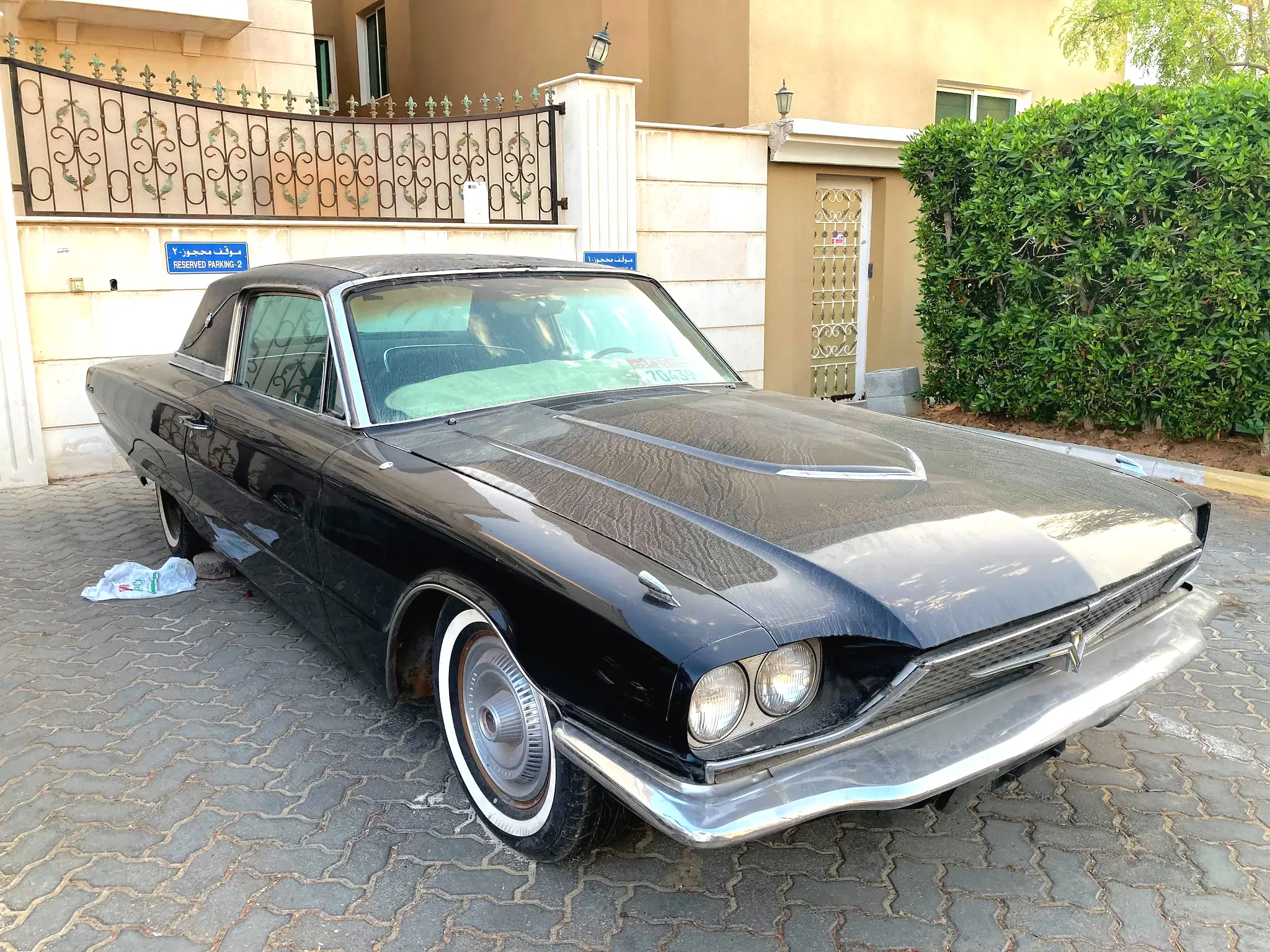
The tools will show you a range, often from a low “trade-in” to a high “dealer retail.” Don’t just eye the highest number.
-
Trade-In Value: This is what a dealer will legitimately pay you for your car, intending to resell it. They must account for reconditioning (detailing, repairs, safety checks), warranty, overhead, and profit. The spread between trade-in and retail is typically 15-25%. If you’re selling to a dealer (including to a new-car dealer as a trade), this is your target. It’s a wholesale price. It’s also the most frictionless, tax-advantaged (in many states) way to dispose of a vehicle.
-
Private Party Value: This is the sweet spot for a direct sale. It’s higher than trade-in because you, the seller, are taking on the work of marketing, showing, and warrantying the car “as-is.” It’s lower than dealer retail because the buyer is assuming more risk. This number assumes a clean, well-presented car sold to a reasonable buyer. Your goal in a private sale is to hit this number or get very close.

- Dealer Retail Value: This is the price on the windshield at a used car lot. It includes the dealer’s costs and profit. Unless you are a licensed dealer, you will not achieve this price. Use this number to understand what a buyer would pay elsewhere, so you can price your private party sale attractively below it. This is your competitor’s price.
The Adjusters: Factors the Algorithm Can’t Fully See
The raw data misses nuance. Your job is to apply the final adjustments.
- Geography is Destiny: A convertible is worth more in Florida than in Maine. A 4x4 truck commands a premium in Colorado over coastal Maryland. A small, efficient hatchback may be hotter in a dense urban area. Tools have geographic adjustments, but they’re broad. Your local market scan is the correction factor.
- Seasonality is Real: The old adages hold. Convertibles and sports cars peak in spring/summer. 4WD trucks and SUVs strengthen in early fall. This swing can be 5-10% on the right vehicle. Selling a cabriolet in January means either waiting or pricing for a motivated buyer.
- Documentation is Armor: A complete, verifiable service history—especially through a dealer or reputable shop—is money in the bank. It reduces a buyer’s perceived risk. For a modern used car, this is often more valuable than an aftermarket stereo. Have your records ready and mention them prominently.
- “The Story” Sells: Two identical cars, same price. One is a one-owner, non-smoker, garage-kept car with a folder of records. The other has four previous owners and a vague history. They are not worth the same. The algorithm averages them. You must position yours in the superior category through proof and presentation.
The Strategic Application: How to Use the Numbers
Now, how do you act on this intelligence?

- If You’re Selling Private Party: Start by pricing your car at or slightly above (5%) the private party value, assuming “Good” condition. Use your compelling story (records, low miles, rare options) to justify the premium. Be prepared for offers at or slightly below the PP value. Your live-market research is your guide for where to set the final asking price.
- If You’re Trading In: Know your trade-in range from the tools. When you get an offer, you are now equipped to have an informed conversation. If the dealer offers $3,000 below the trade-in range, you can ask, “Can you help me understand the reconditioning costs you’re seeing that put it that far below the market average?” It moves the discussion from emotional to factual.
- If You’re Buying from a Dealer: Use the dealer retail value and your live-market listing research to assess their asking price. Is it in line? Is it above market for the mileage/condition? This knowledge is your leverage for negotiation. You can also use the trade-in value to estimate what the dealer likely has in the car, giving you a sense of their margin.
The Final Reality Check
After all this analysis, there is one last, human step. The number on your screen is a prediction. The final sale price is a negotiation between a willing buyer and a willing seller. The tools tell you the playing field’s dimensions, not where the game will end.
I’ve seen sellers lose perfect buyers over $500 because they were slaves to a KBB figure. I’ve seen buyers overpay by thousands because they didn’t spend 30 minutes checking listings. The effective use of these tools doesn’t end with a number; it ends with the confidence to enter the marketplace with clear-eyed realism. It turns an opaque, emotional process into a transparent transaction. Your car isn’t worth what a website says. It’s worth what the market will bear. Your mission is to use every tool at your disposal to understand that market better than the person on the other side of the deal. That’s where real value is found.