The Future of Mobility: Trends Shaping Transportation
Let me start with a simple, provocative question: What are you actually buying when you purchase a car today? For decades, the answer was straightforward—a machine for personal transportation, a symbol of freedom, a depreciating asset you park in your garage. But I’ve watched that definition unravel in real time. Today, you’re increasingly buying a connected, software-defined platform, a node in a network, and a soon-to-be-obsolescent device if it can’t receive over-the-air updates. The future of mobility isn't a distant concept; it's a collision of four massive, observable trends happening right now. This isn't speculation. From dealer lots to city planning meetings, I’ve seen the seeds of this future being planted, and the harvest will redefine how we think about every journey.
The Unstoppable (But Messy) Electrification of Everything
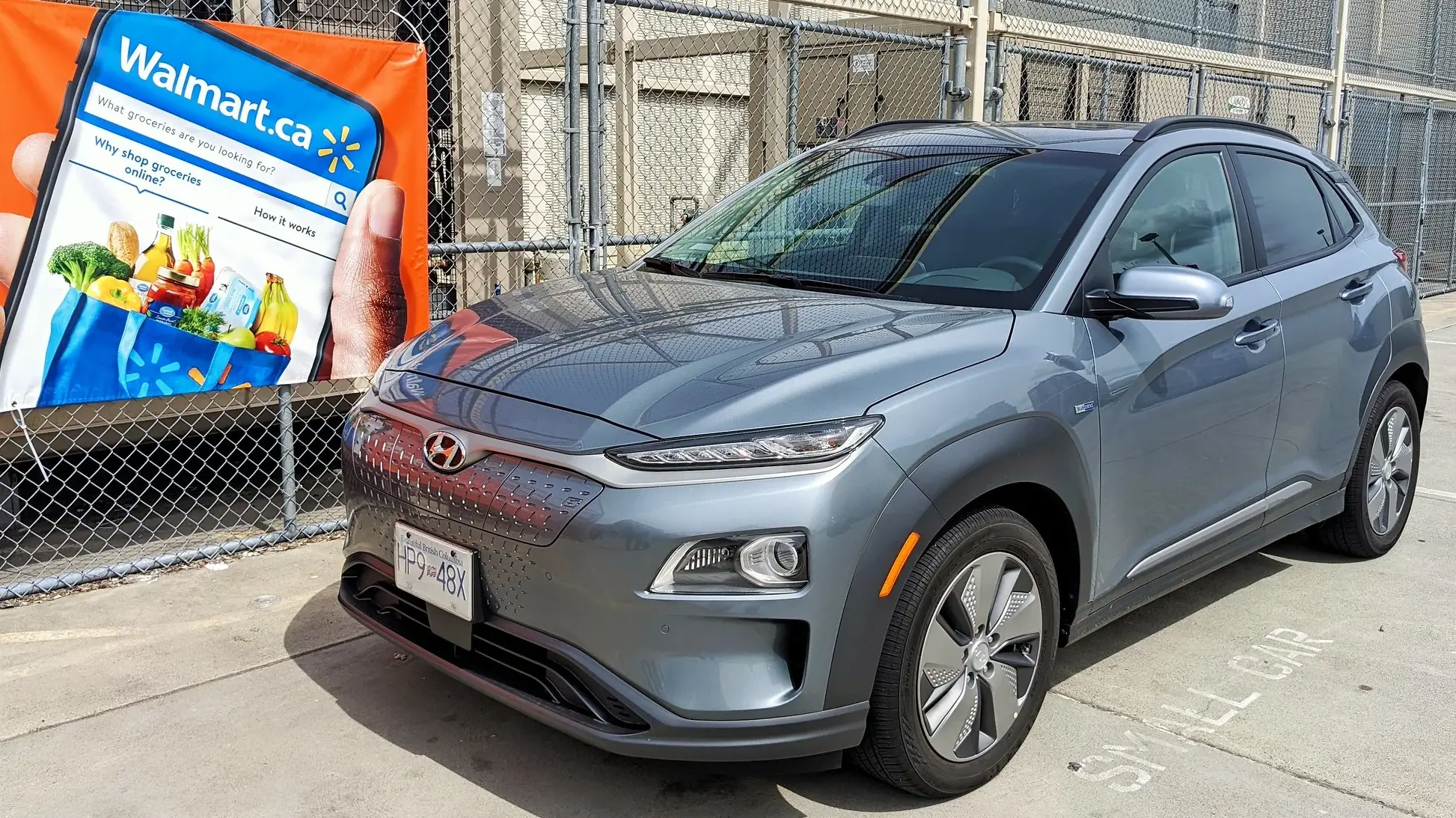
The shift to electric vehicles is no longer a debate about "if." It's a messy, uneven, and accelerating reality. I’ve watched the early adopter phase give way to the early majority. The conversation on the ground has changed. Five years ago, buyers asked me about range anxiety and charging times. Today, the savvy ones ask about charger interoperability, home electrical panel upgrades, and battery degradation curves. They’ve moved past the novelty to the pragmatic ownership experience.
The trend isn't just passenger cars. I see it in the commercial fleets that now pencil out cheaper total costs. I see it in municipal bus depots installing pantograph chargers. Electrification is spreading to two-wheelers, delivery vans, and even short-haul ferries. The key insight from watching this unfold is that adoption isn't linear. It follows infrastructure. Where reliable, convenient charging exists, EVs flourish. Where it’s patchy, they stall. The future here is a bifurcated one: dense urban and suburban corridors will electrify rapidly, while rural areas will rely on hybrids and efficient combustion engines for a generation longer than the headlines suggest.
Autonomy: The Overhyped Timeline, The Underhyped Incremental Gains
Full self-driving—the kind where you take a nap while your car navigates a Boston winter—is perpetually a decade away. I’ve become deeply skeptical of the grand promises. But in focusing on that sci-fi endgame, we often miss the profound, quiet revolution happening in driver assistance systems. This is where the real-world impact is already being felt.
I’ve ridden in vehicles with the latest suite of these systems, and the pattern is clear. They don’t replace the driver; they fundamentally change the driver’s job. Highway commutes are becoming less fatiguing. Traffic jam assist is a genuine stress-reducer. These are not autonomous features; they are advanced safety and comfort features that are incrementally collecting data and refining their models. The future I see is not an abrupt handover to robots, but a gradual, decades-long increase in "supervised autonomy." The car will handle more and more operational tasks, while the human remains the fallback system, the moral agent, and the legal entity responsible. This slow march has more profound implications for insurance, liability, and driver licensing than any flashy robotaxi demo.
Connectivity and the Car as a Software Platform
This is the trend most owners overlook, but it’s the one that will determine your vehicle’s long-term value and experience. The modern car is a rolling computer network. The conversation has shifted from "does it have Bluetooth?" to "what is its data plan, and how good is its user interface?" I’ve observed a clear generational divide: older buyers still see software as a fancy stereo; younger buyers evaluate it as critically as the horsepower.
The future here is about ecosystems and subscriptions. We’re moving from a model of purchasing a static set of hardware capabilities to subscribing to services on a flexible platform. We’ve already seen heated seat subscriptions—a clumsy, customer-hostile first step. The successful model will be features that genuinely improve over time: advanced navigation that gets smarter, performance boosts for a weekend trip, or upgraded driver-assist suites. The risk, as I’ve warned dealers and buyers alike, is planned obsolescence. A ten-year-old car today can still be a great car. A ten-year-old car with unsupported, buggy software and a dead 4G modem will be a brick. Residual values will increasingly be tied to software support cycles, not just mechanical condition.
The Urban Reckoning: From Ownership to "Mobility-as-a-Service"
In major cities worldwide, the math of private car ownership is breaking down. The cost of the car itself is often dwarfed by the cost and scarcity of parking, the congestion charges, and the sheer time penalty of traffic. What I’ve witnessed in urban cores is a behavioral shift, especially among younger demographics. They aren’t anti-car; they are anti-hassle. Their transportation decisions are app-driven, multimodal, and transactional.
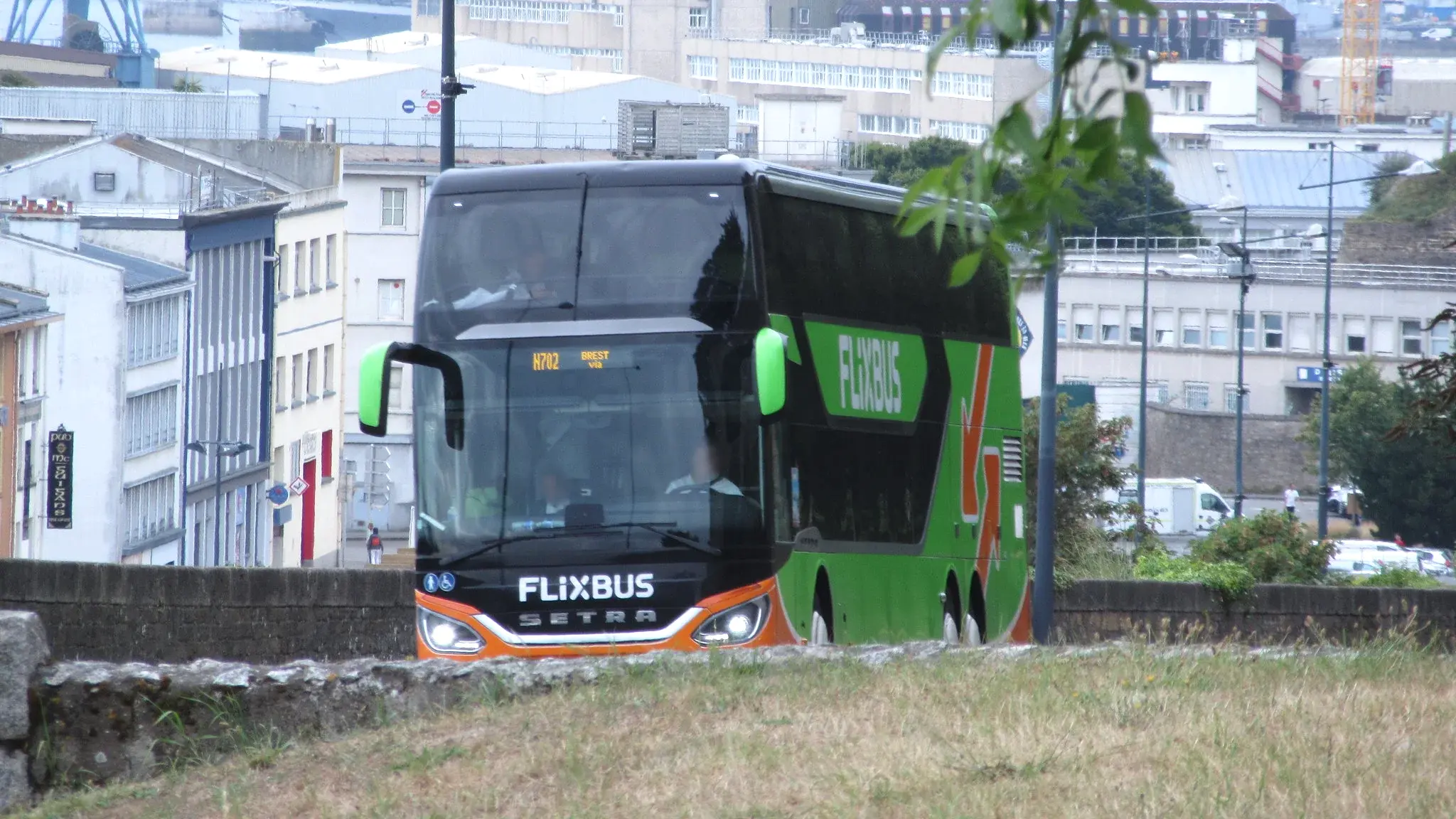
The future in dense environments is a tapestry of options—a "mobility mosaic." A single trip might involve an e-scooter to a train, a rideshare for the last mile, and a car-share for a weekend errand. The private car becomes just one tile in that mosaic, not the entire floor. This trend puts immense pressure on city planners to reallocate space—from storing private vehicles to moving people. The bike lanes, pedestrian zones, and dedicated micro-mobility corridors you see expanding aren't ideological whims; they are a direct response to measurable demand. The car-centric city of the 20th century is being retrofitted, painfully and slowly, for a more fluid 21st-century model.
The Convergence: Where the Trends Collide
Individually, these trends are powerful. Where they converge, they create something entirely new. Let me give you a concrete, observable example: the electric, connected, partially autonomous vehicle used in a shared fleet.
An EV is ideal for fleet use—lower operating cost, less maintenance. Connectivity allows for seamless booking, unlocking, and billing. Advanced driver-assist makes the vehicle safer and easier for a succession of casual users. This isn't a hypothetical. I’ve seen these pilot programs evolve. They work best in specific, constrained environments: corporate campuses, dense residential neighborhoods, airport zones. The future will see these zones expand and interconnect. Your personal car might drive itself to a parking hub on the city's edge while you take a train downtown, and then rent itself out as a shared vehicle during the day to offset its cost. The boundaries between private and public, owned and accessed, are blurring.
The Human and Regulatory Hurdles
Technology is the easy part. The hard parts—the ones I see causing the most friction—are human behavior and regulation. Insurance models are archaic. City zoning codes forbid turning parking lots into mobility hubs. Public transit agencies see micro-mobility as a threat, not a partner. And people, frankly, have emotional and practical attachments to their cars that no app can easily replace. The transition will be lumpy, unfair, and geographically inconsistent. The future will arrive in Shenzhen, Singapore, and Oslo long before it fully manifests in sprawling American sunbelt cities. Accepting that uneven adoption curve is key to understanding the next 20 years.
The Informed Choice for Today’s Buyer
So, what does this mean for you, considering a vehicle now? Based on everything I’ve seen, here’s my advice: Buy for the software and the network, not just the sheet metal.
Prioritize vehicles with robust, updatable software architectures and credible promises of long-term support. Strong connectivity is no longer a luxury; it’s the central nervous system of your car’s future value. Consider your actual use case. If you live in a dense area and take most trips alone, a smaller EV or even a commitment to multi-modal life might be smarter than a large SUV. If you road-trip constantly through remote areas, a efficient hybrid is a more rational bridge technology than a struggling EV.
The car is not dying. It is evolving from a standalone product into a service-enabled device within a broader mobility network. The freedom it offers is changing form—from the freedom of unfettered ownership to the freedom of optimized, seamless, and sustainable movement. The future of mobility isn't a single destination. It's the ongoing renegotiation of our relationship with space, time, and each other, with technology as the catalyst. Ignore the hype cycles. Watch the infrastructure, the policy shifts, and the actual consumer behavior. That’s where the real future is being built, one journey at a time.