The Internal Combustion Engine: An Obituary That’s Premature By a Century
I’ve seen technologies come and go in this industry, each heralded as the definitive “future.” Yet, for over a century, one mechanical heart has powered our world with relentless, adaptable, and often misunderstood vigor. The internal combustion engine (ICE) isn’t just a piece of machinery; it’s a cultural and economic force, and its story is one of relentless evolution, not imminent extinction. Writing its obituary now is like watching a champion boxer in the tenth round and declaring the fight over. You’re missing the nuance, the endurance, and the sheer will to adapt. Let’s talk about where it’s been, where it is, and—critically—where it’s actually going.
The Spark: From Curiosity to Cornerstone
The story doesn’t start with Henry Ford’s assembly line, though that’s the chapter most remember. It starts in workshops and laboratories across Europe in the late 19th century, with figures like Nikolaus Otto, Rudolf Diesel, and Karl Benz. They weren’t building transportation; they were solving a power problem. Steam was bulky and slow; electricity was in its infancy. The idea of controlled, repeated explosions inside a cylinder was audacious.
The real genius, and what I’ve observed as the engine’s first great survival trait, was its fundamental scalability. The same basic principle—intake, compress, ignite, exhaust—could be scaled from a single-cylinder lawnmower engine to a 16-cylinder leviathan in a luxury car or a two-story tall diesel generator. This wasn’t just engineering; it was economic alchemy. It created a universal language of mechanical power that could be adapted, licensed, and improved upon globally. Early car owners weren’t buying a “car”; they were buying a mobile demonstration of this new, personal power source. The engine was the product.
The Century of Refinement: Obsession Over Revolution
The 20th century wasn’t about reinventing the ICE; it was about perfecting it. This is a crucial distinction often lost in today’s “disruption” narrative. Every decade brought incremental, collective leaps that compounded into a revolution of reliability and accessibility.
I’ve spoken with restorers who work on pre-war cars. They’ll tell you the engines, while clever, required constant fiddling—manual chokes, points ignition, carburetors sensitive to weather. Contrast that with the experience of a 1990s car owner. Turn the key, it starts. Every. Single. Time. That reliability wasn’t magic. It was the culmination of technologies we now take for granted: electronic fuel injection, onboard diagnostics, advanced metallurgy, and computer-controlled ignition. These weren’t headline-grabbing breakthroughs but layers of innovation that made the ICE an invisible, dependable servant.
The cultural shift here is profound. The engine moved from being a feature to being a given. Performance, smoothness, and fuel economy became the battlegrounds. I’ve watched buyers in showrooms tap hoods and ask about horsepower and torque, metrics of refined explosion management. The ICE became so good at its job that we only noticed it when it failed.
The Modern Paradox: Peak ICE in an Electric Dawn
Here’s the observation that frames our current moment: The internal combustion engine has never been more technologically advanced, efficient, or clean than it is right now, even as its dominance is being challenged. This is the paradox.
Walk into any dealership today and the four-cylinder engine in a mainstream sedan would outperform and out-efficiency the V8s of my youth while emitting a fraction of the pollutants. Turbocharging, direct injection, variable valve timing, and cylinder deactivation are not buzzwords; they are engineering marvels that squeeze unprecedented work from a drop of fuel. The modern diesel, maligned though it may be, is a thermodynamic masterpiece when operating as designed.
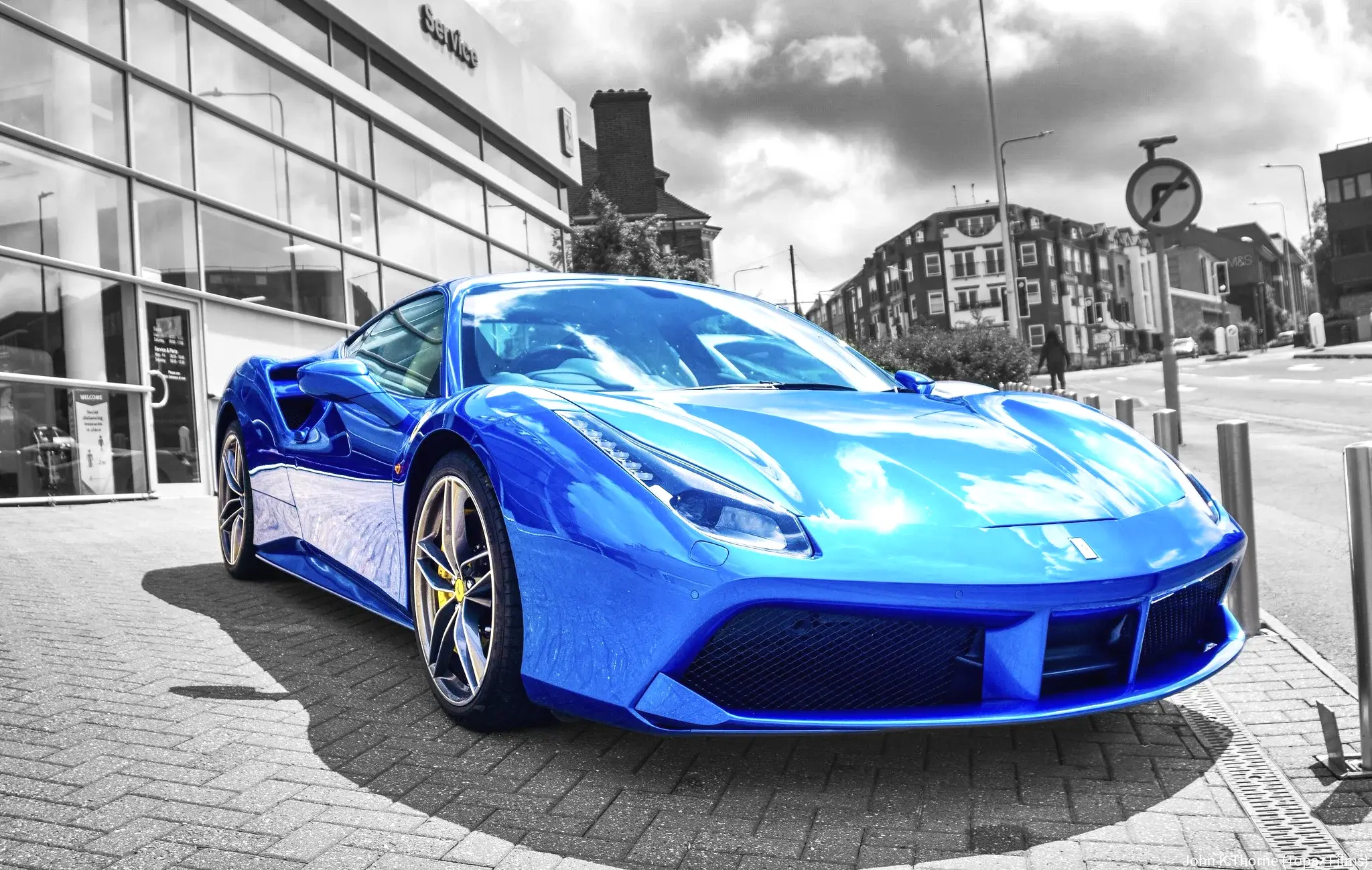
Yet, this peak coincides with the rise of its first true existential threat: the electric powertrain. The conversation has shifted from “how do we make it better?” to “how long until it’s gone?” In practice, this has created a fascinating bifurcation. On one side, you have manufacturers pouring billions into electrification. On the other, the performance and enthusiast sectors are pushing ICE technology to its absolute limits—hybrid supercars with thousand-horsepower powertrains, engines that rev to 11,000 RPM, and hyper-cars that use fossil fuels in ways previously thought impossible. The ICE is becoming both a legacy technology and a high-art form simultaneously.
The Unseen Forces: Infrastructure and Inertia
Technology pundits love to discuss the “product.” They compare 0-60 times, range, and cost per mile. But after decades in this business, I can tell you the real story is written in infrastructure and ingrained behavior.
The global infrastructure for refining, transporting, and dispensing liquid fuel is the largest and most efficient energy-delivery system ever created. It’s not just gas stations; it’s tankers, pipelines, refineries, and a global market that adjusts supply by the minute. Replicating this for electrons or hydrogen is a task of generational scale and cost. An EV owner’s experience is still defined by the availability and speed of a plug—a variable that doesn’t exist for an ICE driver. This isn’t a minor hurdle; it’s the bedrock of automotive culture.
And then there’s the owner behavior I’ve witnessed. For a century, vehicle operation has been defined by a five-minute refueling stop every 300-400 miles. Trip planning, logistics, commercial transport—all of it is built on this rhythm. Changing that involves rewiring human habit on a mass scale, which is always slower than changing technology.
The Hybrid Bridge: The ICE’s Most Clever Adaptation
If you want to see the future of the internal combustion engine for the next 30 years, don’t look at a pure EV. Look at a modern hybrid. This is the engine’s masterstroke adaptation. In a series of brilliant engineering compromises, the ICE has been repositioned not as the primary workhorse, but as a high-efficiency generator or a partner in a combined system.
In a Toyota Hybrid Synergy Drive system, for example, the gasoline engine operates almost exclusively in its most thermally efficient band, a sweet spot it was rarely allowed to inhabit in a traditional car. It’s being used smarter, not harder. This extends its life, slashes its fuel consumption, and drastically cuts emissions in real-world urban driving—the exact environment where it’s least efficient in a pure form.
This hybrid era, which I believe is just beginning in earnest, is the ICE’s insurance policy. It makes the transition to electrification palatable and practical for the mass market, using far less scarce battery material to achieve most of the efficiency gains. The engine becomes a range-extender, a backup, a performance booster. It has found a new, vital role.
The Niche Future: Beyond Commodity Transportation
So, what is the true, long-term future for the internal combustion engine? It will recede from the mainstream, certainly. The daily commuter car will overwhelmingly become electric because for that single-purpose, fixed-route duty, it’s objectively better. But to declare the ICE dead is to misunderstand its versatility.
Its future lies in niches where its core advantages—energy density, rapid refueling, independence from massive fixed infrastructure—remain paramount.
- Long-Haul Transport & Maritime: Battery weight and charging downtime are prohibitive for cross-country trucking or container ships. Here, advanced diesel, renewable biofuels, or synthetic fuels (e-fuels) will keep the ICE relevant for decades.
- Agriculture & Remote Industry: A tractor in a field or a generator on a mining site can’t be tethered to a megawatt charger. Liquid fuel is still sovereign here.
- Aviation: While small electric planes are emerging, large-scale commercial aviation will rely on turbine engines (a form of ICE) and advanced drop-in sustainable fuels for the foreseeable future.
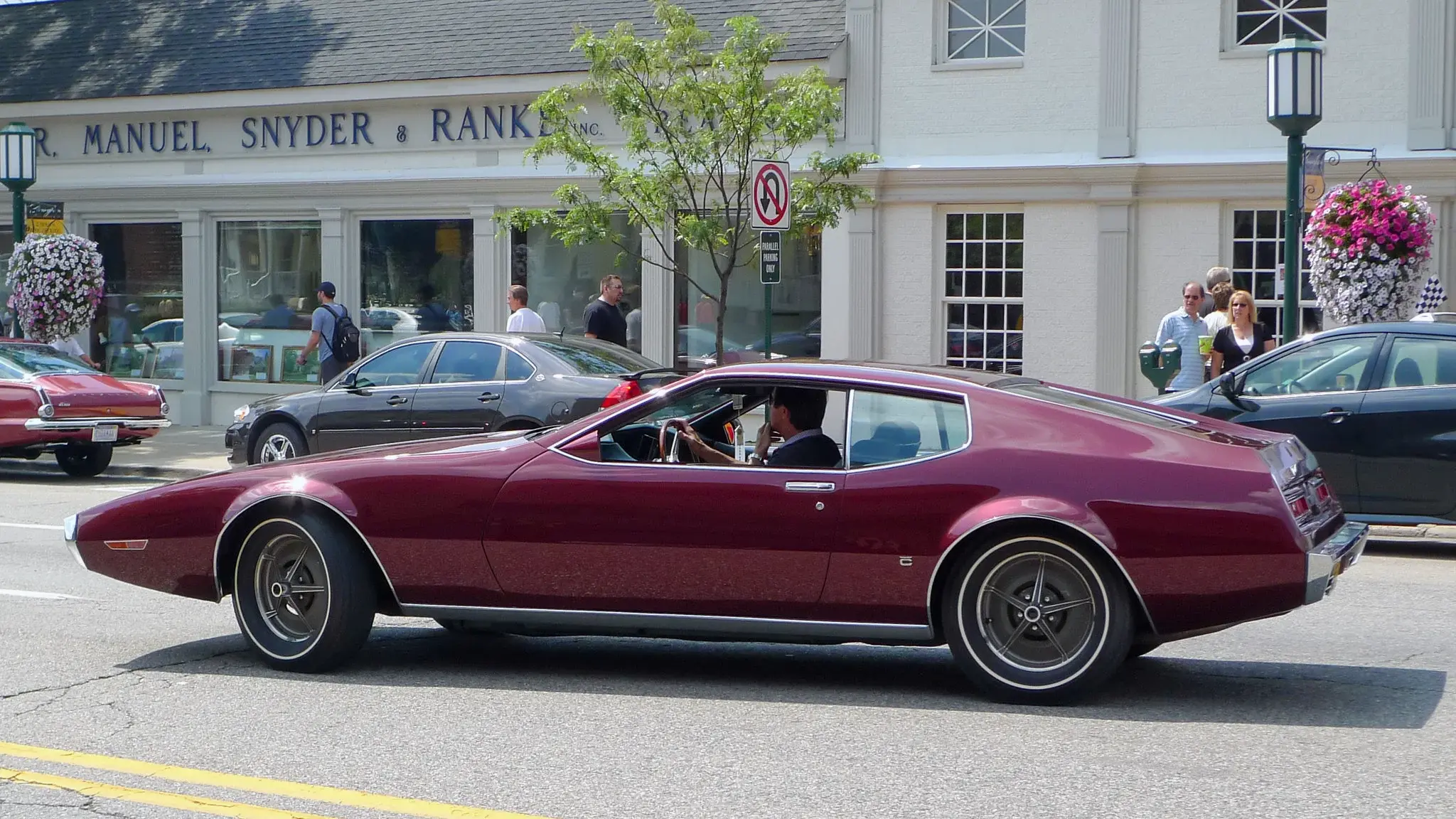
- The Enthusiast & Collector Realm: This is the cultural preservation. Just as we have stables for horses and hangars for vintage planes, there will be garages, tracks, and events for internal combustion engines. Their sound, tactility, and mechanical theater will ensure their survival as moving art. The aftermarket and specialty fuel industries will cater to this enduring passion.

Conclusion: The Coexistence, Not the Conquest
The narrative of the past few years has been one of displacement: the electric motor will replace the internal combustion engine. My observation, informed by watching cycles of hype and reality in this industry, is that the future is one of specialization and coexistence.
The internal combustion engine won’t rule the road as it once did. But to say it will vanish is to ignore the sheer weight of its legacy, the adaptability it has demonstrated for 150 years, and the practical realities of powering a diverse planet. It will evolve, become more specialized, and often work hand-in-glove with electric motors. It may one day run on carbon-neutral fuels synthesized from air and green electricity, making it not a climate villain, but a carbon-cycle participant.
The internal combustion engine is not a dead man walking. It’s a veteran transforming for a new role. It’s stepping off the center stage it commanded for a century, but it’s not leaving the theater. It will remain, in the niches where it excels, in the hybrids that bridge our present to our future, and in the hearts of those who hear in its roar not just noise, but the sound of human ingenuity relentlessly turning explosion into motion. The final chapter is far from written.