The Unseen Price Tag: How Your Vehicle Type Dictates Your Insurance Bill
Let’s start with a reality check that surprises many new car buyers: the single most significant factor in your insurance premium, after your personal driving history, is the machine you choose to park in your driveway. I’ve sat across from too many excited buyers who’ve calculated their monthly loan payment to the penny, only to be blindsided by an insurance quote that shatters their budget. They operate under the assumption that insurance is a tax on the driver. In practice, it’s a tax on the vehicle, calculated through a cold, analytical lens of risk and cost. Your choice of ride isn’t just a statement of style or need; it’s a financial commitment written into your insurance policy for as long as you own it.
The Insurance Company’s Calculus: It’s All About Risk and Repair
To understand the impact, you must first see the world through the insurer’s eyes. Their business isn’t to judge your taste; it’s to predict probability and limit liability. Every vehicle on the road is slotted into a complex matrix based on historical data answering two brutal questions: How likely is this vehicle to be in a claim, and how expensive will that claim be to settle?
The likelihood-of-claim data tracks which vehicles are involved in more accidents. This isn’t necessarily about the driver, though that’s part of it. Insurers know, from millions of data points, that certain vehicles attract certain behaviors. They also know which vehicles are statistically more often stolen. The cost-of-repair side is equally critical. A minor fender-bender in a vehicle with aluminum bodywork, radar sensors in the bumper, and LED matrix headlights is a world apart from the same incident in a simple steel-bodied sedan. Labor rates, part scarcity, and specialized repair procedures all funnel into this equation. When you choose a vehicle, you are unconsciously choosing its place in this actuarial table.
The Usual Suspects: A Category-by-Category Breakdown
While insurers have their proprietary formulas, the patterns are consistent and observable across the market. Let’s break down the major categories.
The Sports Car Premium: Paying for Perception and Physics
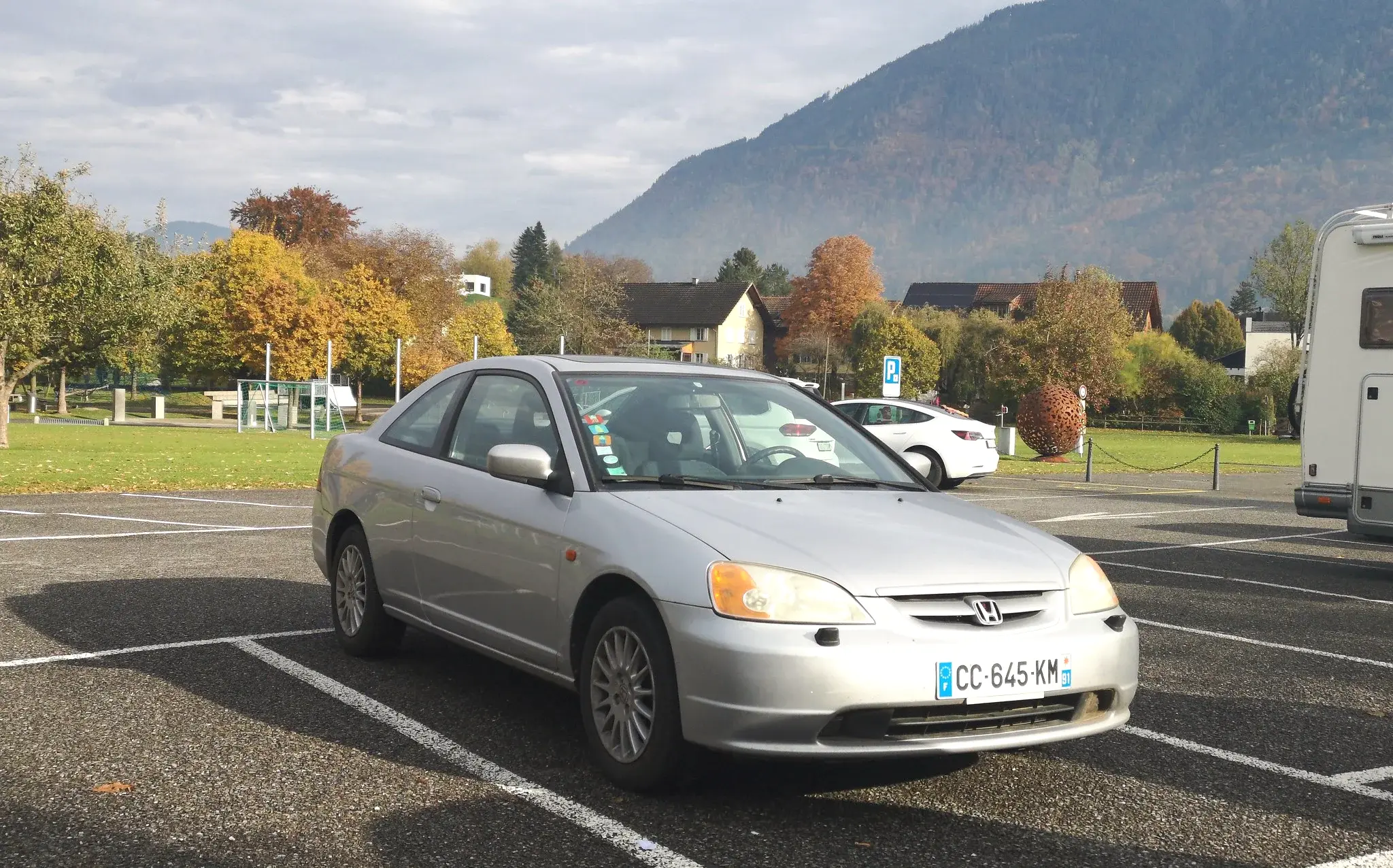
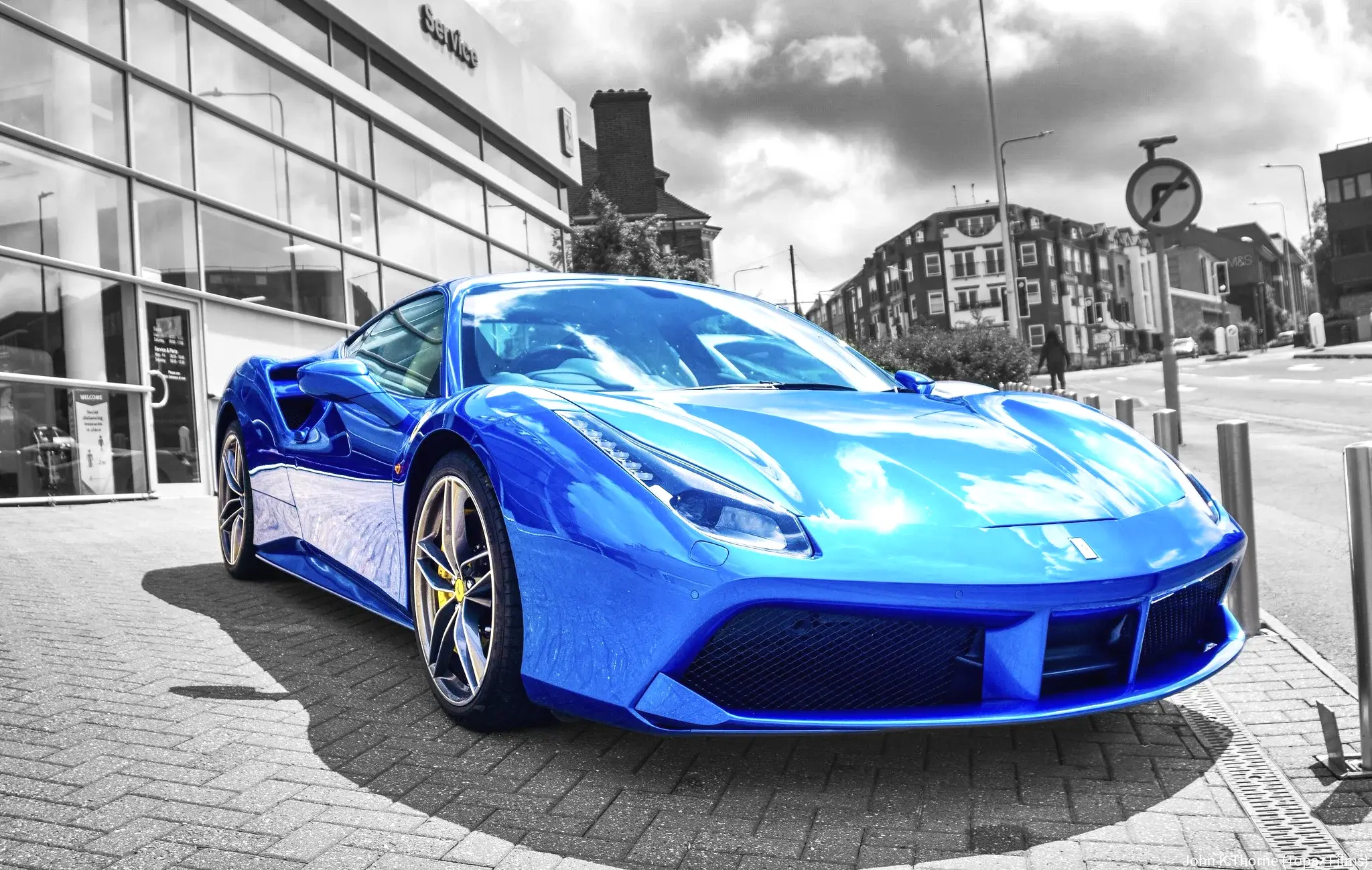
This is the most straightforward and often the most severe penalty. A two-door coupe with a powerful engine sends a clear signal to the algorithm. I’ve seen young professionals opt for a sporty coupe over a similarly priced luxury sedan, only to find their insurance payment rivals their car payment. The reasons are twofold.
First, the statistical correlation between high performance and higher-risk driving is undeniable to insurers. Second, the repair costs for low-slung vehicles with aerodynamic body kits and large alloy wheels are immense. A pothole that bruises a tire on a crossover can shred the front fascia and crack the radiator of a sports car. Owners of these vehicles typically file more frequent and more expensive claims. The insurance cost isn’t a suggestion; it’s a direct reflection of that aggregated history.
The Surprising (Relative) Bargain of Trucks and SUVs
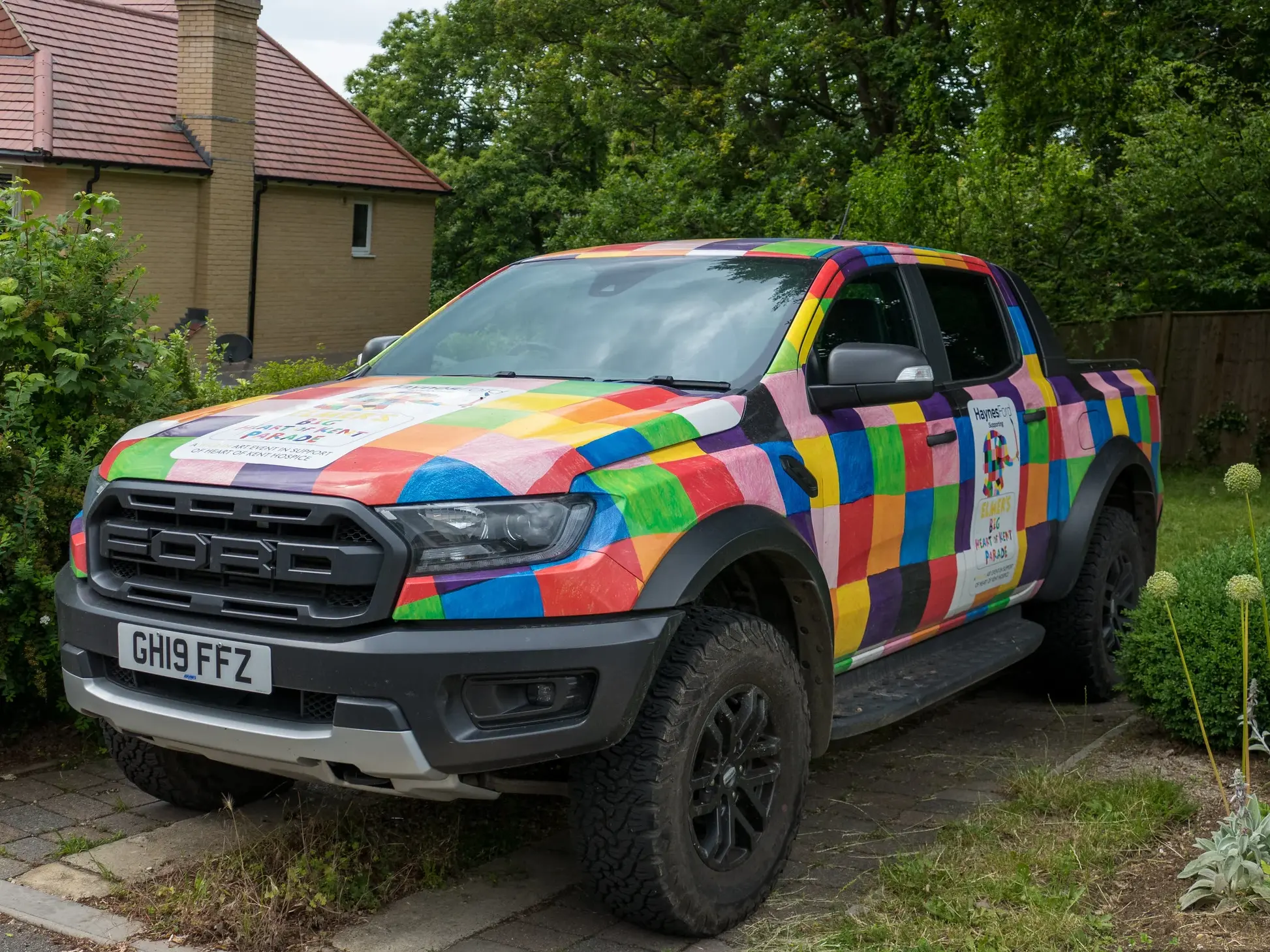
Here’s where public perception often gets it wrong. Many assume that larger, heavier vehicles must cost more to insure. In practice, for mainstream models, the opposite is frequently true. A family-friendly midsize SUV or a crew-cab pickup often carries a lower insurance premium than a mid-tier sedan with a comparable MSRP.
Why? These vehicles have a sterling reputation for protecting their occupants, leading to lower injury claim costs—the most expensive part of any serious accident. They are also less likely to be stolen than popular sedans or luxury vehicles (with notable exceptions for certain high-theft truck models). Their repair, while not cheap, is often more straightforward than on a unit-body luxury car. I’ve observed families migrate from minivans to three-row SUVs and see their insurance hold steady or even drop, a tangible benefit they never anticipated.
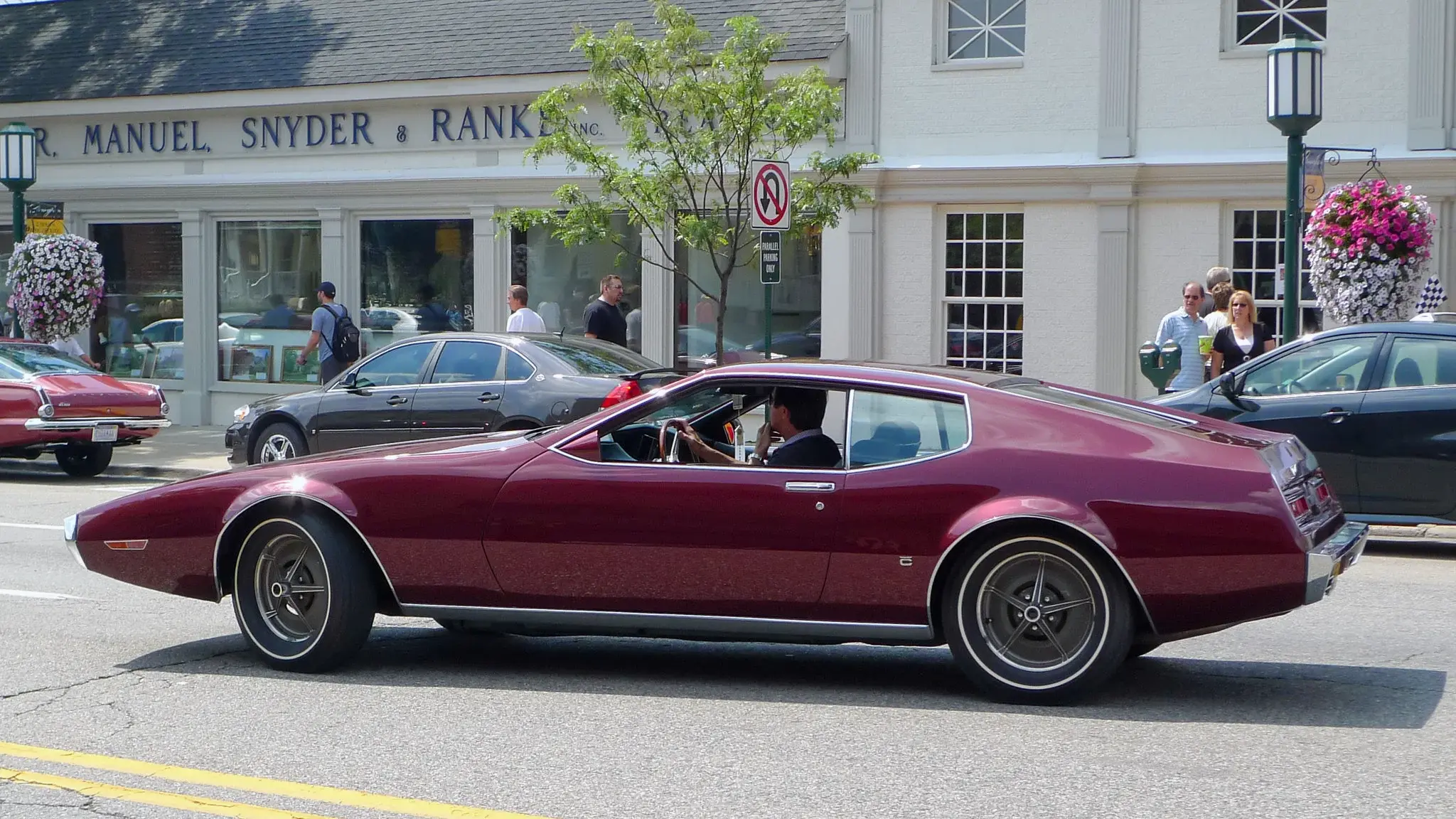
The Luxury Tax: Where Prestige Meets Expensive Parts
This is a critical lesson for buyers moving into the premium segment for the first time. The purchase price is just the entry fee. Insuring a luxury vehicle, whether a sedan from a German marque or a high-end SUV, introduces a "parts and labor" multiplier.
A "minor" rear-end collision that requires a new trunk lid, bumper, exhaust tips, and parking sensors is no longer a $2,500 claim. It becomes an $8,000 claim because every single part is exponentially more costly, often requires direct import, and must be installed by certified technicians. Furthermore, luxury vehicles are more attractive targets for both theft and vandalism. The comprehensive portion of your policy—covering non-collision damage—reacts accordingly. Owners in this segment often learn to factor insurance as a key part of their true cost of ownership, a line item that scales directly with the badge on the hood.
The Electric & Hybrid Variable: New Technology, New Cost Curves
The emerging landscape for electrified vehicles is fascinating to watch in real-time. Initially, insurers treated many hybrids and EVs with caution, leading to elevated premiums. The rationale was the unknown: expensive, proprietary battery packs and unfamiliar repair networks.
That calculus is now splitting. For many common hybrids, premiums have normalized, as their safety profiles are excellent and repair pipelines are established. For pure electric vehicles, particularly from legacy luxury brands or new entrants, the story is different. Their exceptional acceleration (increasing collision risk) is paired with astronomically expensive battery enclosures and sensor suites. A battery pack compromised in an undercarriage impact can total a vehicle instantly. I tell interested buyers to get an insurance quote before they fall in love with the tech. The cost to insure some of these cutting-edge models can be a genuine shock, offsetting the savings on fuel.
The Classic Car Mirage: When Low Value Doesn’t Mean Low Cost
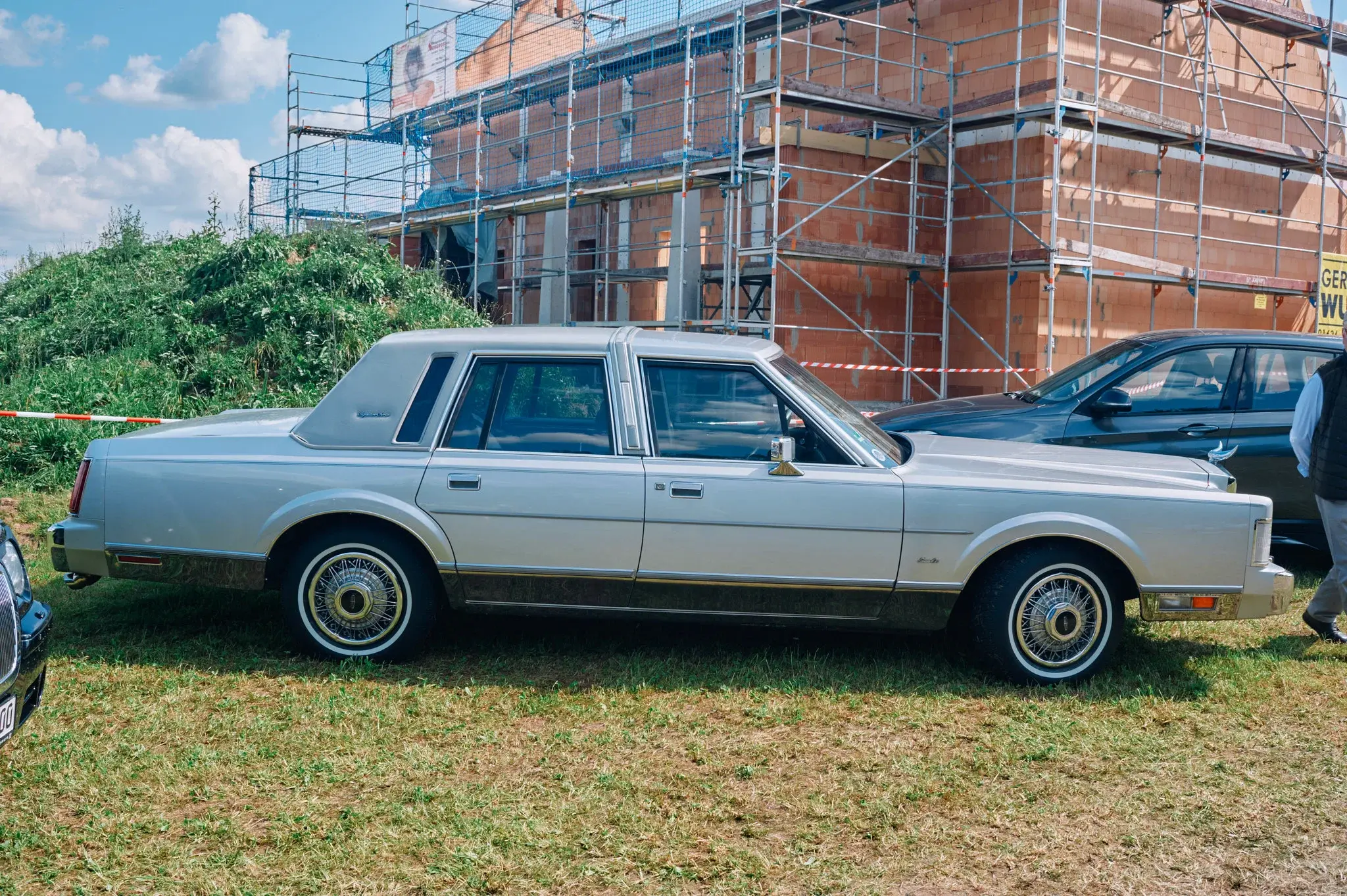
A common mistake I’ve seen enthusiasts make is assuming that insuring an older, less valuable car is inherently cheap. For basic liability coverage on a daily-driven beater, that’s true. But the moment you have a vehicle you care about—a classic, a collector car, or even a well-kept "future classic"—standard insurance becomes a perilous path.
Agreed-value policies from specialty insurers are essential here. While your 25-year-old sports car may have a Kelley Blue Book value of $5,000, try replacing it for that amount. You can’t. A specialty policy acknowledges its true market value, which might be $25,000. The premium will reflect that agreed value, not the scrap-yard number a standard insurer would use. For dedicated collectors, this cost is a non-negotiable and understood part of the hobby, but novice buyers are often caught off guard.
Beyond the Badge: The Specifics That Move the Needle
Even within a category, specifics matter tremendously. Engine displacement is a classic rating factor—the V8 version of a truck will cost more to insure than the V6. Trim level is equally critical. The base model SUV and the top-tier "Sport" or "Platinum" trim with 22-inch wheels and a body kit are different vehicles in the insurer’s ledger. One of the most significant silent factors is safety and anti-theft technology. Vehicles with a proven suite of standard advanced driver-assistance systems (ADAS)—automatic emergency braking, lane-keeping assist, blind-spot monitoring—are beginning to see discounts. They are proving they can prevent accidents. Likewise, robust factory anti-theft systems can reduce your comprehensive premium. When comparing two similar models, the one with the better standard safety suite often carries a hidden long-term savings.
The Actionable Takeaway: How to Shop Smart
Knowledge is power, and in this case, power translates to savings. Here is the process I recommend, refined from watching both savvy and regretful purchases:
- Make Insurance the First Check, Not the Last. Before you deep-dive into trim levels and colors, take your top two or three vehicle choices and get preliminary insurance quotes. Use the exact year, make, model, and trim you’re considering. This single step will expose dramatic cost differences you can plan for.
- Compare Within Segments. If you’re set on an SUV, compare the insurance cost of the mainstream brands to the near-luxury offerings. The difference can be hundreds per year for mechanically similar vehicles.
- Inquire About Discounts. Ask your agent directly: "What specific features on this model could qualify for a discount?" This focuses the conversation on safety systems and anti-theft devices.
- Consider Your Garage and Use. A vehicle parked in a secure garage in a low-crime suburb presents a different risk than one parked on a city street overnight. Your postal code is a key variable. Be accurate when getting quotes.
- Re-evaluate Before a Lifestyle Change. The car that made sense for your single, cross-town commute may become a liability cost for a new teenage driver in your household. The vehicle’s risk profile intersects with the driver’s.
Looking Down the Road: The Future of Risk and Premiums
The relationship between vehicle type and insurance cost is not static. As vehicle technology barrels toward greater autonomy and connectivity, the rating factors will evolve. We’re moving toward a model where the behavior of the vehicle itself will be a primary rating factor. Telematics—the real-time monitoring of how and when a car is driven—is already shifting some of the focus from the generic vehicle category to the specific usage of that vehicle by its owner.
In the future, a safe driver in a high-performance car may be able to prove their low risk through data, potentially mitigating the traditional "sports car penalty." Conversely, risky driving in a "safe" family SUV will be priced accordingly. The metal itself will still matter immensely for repair costs, but the risk-assessment side is becoming personalized. The ultimate impact of vehicle type will be a blend of its inherent repair economics and the proven behavior it enables—or discourages—in the real world.
In the end, your choice of vehicle is a financial decision with long-term ripple effects. By understanding that your insurance premium is an integral, variable part of that decision, you move from being a passive consumer to an informed owner. You choose not just a car, but a predictable cost of operation. And in a world of financial surprises, that’s a level of control every driver should demand.