The Unseen Force: How Aerodynamics Quietly Dictates What You Drive and How Far It Goes
For decades, I’ve watched car buyers make decisions based on horsepower, leather seats, and the shape of a headlight. They’ll spend hours comparing fuel economy ratings, often posted in generous, ideal-size font on the window sticker. Yet, the single most significant factor shaping both that number and the very vehicle standing before them is an invisible one. Aerodynamics isn’t just an engineering subplot; it is the foundational script for modern vehicle design, efficiency, and even driving character. My experience has shown that understanding this force is what separates knowledgeable enthusiasts from those merely reacting to sheet metal.
Forget wind tunnels for a moment. Think about your last long highway drive. That subtle, constant pressure against the vehicle, the way the steering feels light in a strong crosswind, the noticeable dip in fuel range when you add a roof-top cargo box—that’s aerodynamics in action, every single time. Manufacturers aren’t sculpting cars for pure artistry anymore; they’re engaged in a silent, millimeter-by-millimeter war against the air. And the spoils of that war are measured in miles per gallon, driving stability, and even interior quietness.
The Core Principle: It’s Not Just About Slipperiness
When most people hear "aerodynamics," they think "low drag." And they’re not wrong. Reducing the drag coefficient (Cd) is a primary goal. A lower Cd means the air parts more cleanly around the vehicle, requiring less energy (and thus fuel) to push it through the atmosphere at speed. I’ve seen the data from countless tests: on the highway, where aerodynamic drag becomes the dominant force opposing the vehicle, a 10% improvement in Cd can yield a 5-7% improvement in fuel economy. For an electric vehicle, that translates directly into extended, real-world range—the difference between reaching a charging station with comfort or anxiety.
But here’s the critical nuance buyers often miss: aerodynamics is a balancing act between low drag and managing downforce. A perfectly slippery shape might also generate lift at high speeds, making the vehicle feel unstable and light on its wheels. No one wants a family sedan that floats at 70 mph. Therefore, designers and engineers shape the underbody, deploy subtle spoilers, and use air curtains over the wheels not just to cheat the wind, but to control it. They aim to keep the vehicle planted, ensuring the tires maintain optimal contact with the road. In practice, what you perceive as solid, confident highway manners is often the result of sophisticated aerodynamic management, not just a stiff suspension.
The Evolution from Brick to Teardrop: A Market-Driven Journey
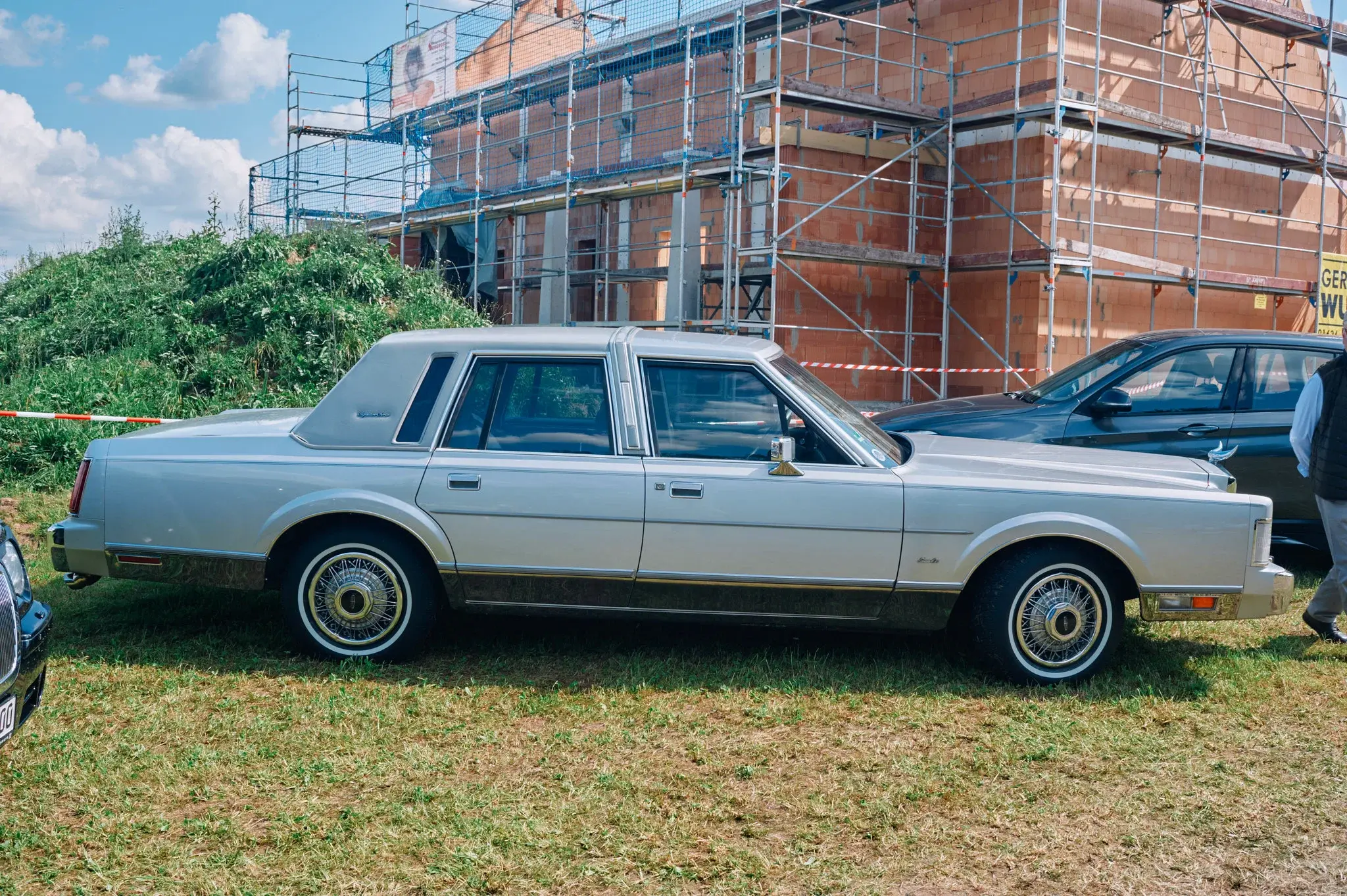
Look at any parking lot spanning three decades. The progression is obvious, even to the untrained eye. The sharp, boxy edges of the 80s gave way to the rounded jellybeans of the 90s, which have now evolved into the complex, chiseled forms of today. This wasn’t a spontaneous stylistic revolution; it was a direct response to rising fuel economy standards and consumer demand for efficiency.
I remember when the first batch of "aero" designs hit the market. Owners were polarized. Some saw them as bland and samey; others appreciated the newfound quietness and the tank of gas that seemed to last longer. The market voted with its wallet, and the boxy sedan faded into history. Today, the pursuit continues in places most owners never see. Sealed underbodies are now commonplace, creating a flat surface to smooth airflow. Door handles are designed to sit flush. Even the side mirrors, a perennial source of drag and wind noise, are being rethought, with some concept vehicles using cameras instead. These aren’t gimmicks. They are incremental, hard-won victories in the drag war, and their cumulative effect is substantial.

The Real-World Trade-Offs: What Aerodynamics Giveth and Taketh Away
This is where my observations from the driver’s seat become most relevant. The quest for perfect aerodynamics creates tangible compromises that every owner lives with, whether they realize it or not.
Interior Packaging: The sleek, sloping roofline of a modern crossover or fastback sedan isn’t just for looks. That shape guides air over the vehicle efficiently. But it also robs rear-seat headroom and limits the utility of a hatchback. I’ve watched tall passengers duck into the back of a stylish coupe-like SUV, and I’ve seen owners struggle to fit a tall piece of furniture that a boxier predecessor would have swallowed. Designers are constantly wrestling with this triangle of desire: style, space, and slipperiness. You rarely get all three in equal measure.
Aesthetic Homogenization: There’s a convergent evolution happening on our roads. To achieve a low drag coefficient, certain shapes are simply more effective. This is why, from certain angles and at a glance, many modern sedans and crossovers can look frustratingly similar. The character lines and lighting signatures try to add distinction, but the fundamental silhouette is governed by physics. The wildly idiosyncratic, aerodynamically disastrous designs of the past are commercially and regulatorily untenable today.

The “Active” Frontier: To navigate these compromises, engineers have moved beyond static shapes. Active aerodynamics are becoming mainstream. I’ve tested vehicles with grille shutters that close at highway speed to smooth airflow, adaptive spoilers that deploy only when needed, and even suspension systems that lower the vehicle at speed to reduce the gap between tire and fender. These systems represent the next logical step: a vehicle that can be spacious and stylish around town, but which transforms into a slippery wedge on the interstate. The added complexity is a concern for long-term ownership, but the efficiency gains are real and measurable.
Beyond Efficiency: Noise, Stability, and Safety
While efficiency grabs headlines, the secondary benefits of good aerodynamic design profoundly affect the ownership experience.
Wind noise is a direct function of aerodynamic turbulence. A poorly managed A-pillar or side mirror creates a buffeting roar that fatigues drivers on long trips. A well-sorted aerodynamic profile contributes significantly to a serene cabin. That luxury feel of isolated quiet at 80 mph isn’t just thick glass and sound deadening; it’s first and foremost clean airflow.
Furthermore, as mentioned, stability is an aerodynamic function. Managing lift and crosswind stability is a safety feature. A vehicle that doesn’t get pushed around in gusty conditions or feel “floaty” when passing a semi-truck is a safer, more confident vehicle. This is why performance cars have massive wings and diffusers—they trade outright slipperiness for monumental downforce to keep them glued to the tarmac. The same principles, just in different proportion, apply to the car in your driveway.
The Electric Imperative: A New Level of Obsession
The shift to electrification has turned aerodynamic optimization from a priority into an obsession. Here’s why: an internal combustion engine wastes about 60-70% of its energy as heat. So, while aerodynamic drag is important, there are other big, inefficient systems to improve. An electric drivetrain, however, is ruthlessly efficient, converting over 90% of its energy to motion. With that inherent efficiency, parasitic losses like aerodynamic drag become the primary enemy of range.
I’ve spoken with EV design chiefs who start with the aerodynamic profile before pencil even touches paper to sketch the interior. Every millimeter matters. We see this in the proliferation of completely flat underbodies, the removal of traditional front grilles (leading to a new, sometimes challenging, aesthetic), and the use of specially designed aerodynamic wheel covers that owners often swap out for looks, unknowingly sacrificing miles of range. For an EV owner, a clean aerodynamic profile is as critical as the battery size itself. It’s a fundamental pillar of the product promise.
The Road Ahead: Intelligence and Integration
Looking forward, the role of aerodynamics will only deepen and become more intelligent. We are moving from active systems to predictive and integrated ones. Imagine a vehicle that uses navigation data to anticipate a long highway stretch, automatically lowering its ride height and adjusting its aerodynamic surfaces before you even reach the on-ramp. Or one that can dynamically alter the airflow around the vehicle to aid in braking or high-speed cornering.
The shapes themselves will continue to evolve. The quest for the ultimate low-drag form might lead us to shapes that look strange to our current eyes, much as the first streamlined cars did to a public used to horseless carriages. But the market—driven by the relentless need for efficiency and range—will accept and then demand these forms.
As a final piece of practical advice for any buyer: start looking at vehicles differently. That elegant silhouette isn’t just for show. That slight lip on the trunk isn’t merely a styling cue. That sealed-off grille is more than a blank face. They are soldiers in the war against the air. When you test drive, take it on the highway and listen. Feel how it handles a gust of wind. And when you look at that MPG or kWh/100km rating, understand that a significant portion of that number was earned not in the engine plant or battery lab, but in the wind tunnel. The air is the ultimate proving ground, and its influence is written into the very soul of the machine you’re about to drive.