The Unstoppable Rise of the SUV: It’s Not a Trend, It’s a New Reality
I’ve been watching the automotive landscape shift for over two decades, and I can tell you this: the move towards SUVs and crossovers isn’t a passing fad. It’s a fundamental, permanent reordering of the market. Walk into any dealership today, and the showroom floor tells the story—a sea of raised rooflines and elevated seating where sedans and wagons once proudly stood. This isn’t an accident of marketing; it’s the direct result of consumer preferences hardening into concrete buying habits. Having spoken with hundreds of buyers and observed thousands of ownership cycles, I’ve seen the reasons evolve from vague desire into undeniable logic. Let’s cut through the speculation and look at what’s actually driving this change.
The Psychology of the “Command Position”: It’s Real, and It Sells
The most immediate, visceral reason people choose an SUV is one that’s often downplayed in spec-sheet comparisons: the driving position. We don’t call it the “command position” ironically. Getting behind the wheel of a crossover, you sit up, not down. Your sightline extends over the hood of the car in front of you. You have a clearer, more panoramic view of the road ahead. This isn’t about vanity; it’s about perceived safety and control.
In practice, drivers transitioning from sedans report feeling less vulnerable. They talk about being able to see potential hazards earlier—a stopped car three vehicles ahead, debris in the road. For families, this feeling of security is paramount. It’s a psychological comfort that translates directly into a purchasing decision. I’ve seen buyers slide out of a perfectly competent sedan and into a crossover, and the decision is made before they’ve even touched the infotainment screen. The world simply looks better from up there, and you cannot discount that.
The Death of Compromise: One Vehicle That (Almost) Does It All
The modern SUV, particularly the unibody crossover, has become the ultimate automotive multitool. Consumers are voting with their wallets against the old paradigm of compromise. In the past, a family might have owned a sedan for commuting and a station wagon or minivan for weekend trips. Today, they demand one vehicle that credibly performs both duties.
Consider a typical weekend for a suburban family: commuting to work Monday through Friday, then hauling kids and gear to soccer practice on Saturday, followed by a run to the home improvement store for bags of mulch. The crossover’s combination of a comfortable, car-like ride for the daily grind, coupled with easy-access cargo space and available all-wheel-drive for inclement weather, makes it the default choice. The liftgate is a star player here—it’s easier to load a stroller or groceries than into a trunk. The fold-flat rear seats turn a passenger vehicle into a small pickup truck in seconds. This versatility isn’t just nice to have; for a one- or two-vehicle household, it’s non-negotiable.
The Practicality Equation: Ease Over Everything
This leads directly to the triumph of practicality. We can talk about dynamics and efficiency, but for the majority of buyers, how a vehicle lives with them is paramount. The SUV form factor solves daily friction points.
Ease of Entry and Exit: This is a major, often silent, factor. The step-in height of a crossover is significantly kinder on the knees, hips, and back than dropping down into a low-slung sedan or hoisting oneself up into a body-on-frame truck. I’ve watched older buyers, and those with small children, instantly appreciate not having to contort themselves. For parents, strapping a toddler into a car seat is less of a back-breaking chore when you’re not bending over as far.

Cargo Accessibility: It’s not just about cubic feet; it’s about usable cubic feet. The tall, square cargo bay of a compact SUV is objectively more practical for loading boxes, pet carriers, or furniture than the long, low tunnel of a sedan trunk. The roof is lower than a minivan’s, making roof racks and cargo boxes easier to manage. In real-world use, this accessible volume wins every time over a slightly larger but less accessible space.
The Styling and Image Shift: Rugged Without the Roughness
Let’s address the image factor head-on. The station wagon died not because it was impractical, but because it was uncool. The minivan, arguably the most practical family vehicle ever designed, carries a stigma of suburban surrender. The SUV, however, carries a latent promise of adventure and capability, even if 95% of its miles are on pavement.
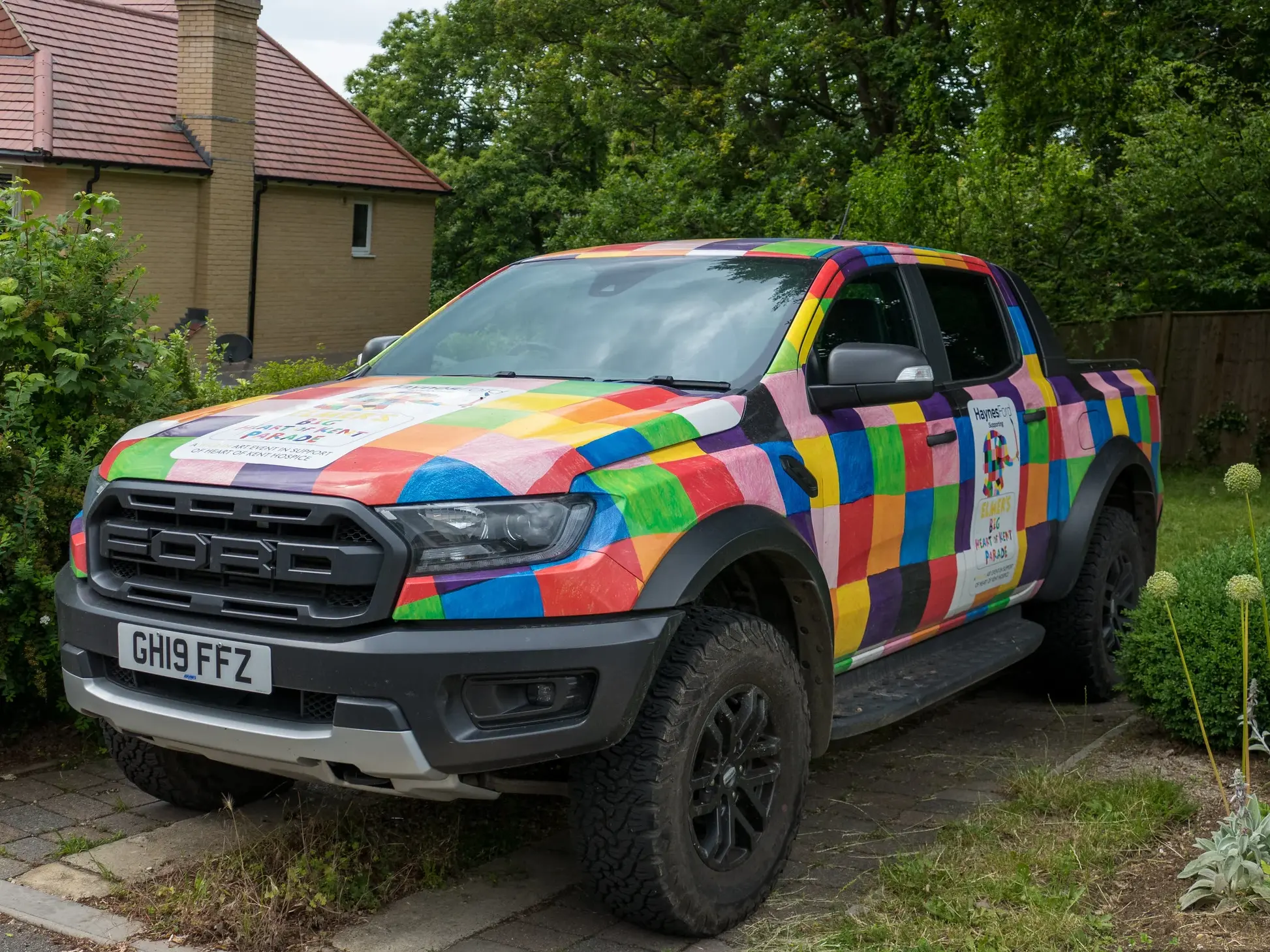
Automakers have brilliantly styled crossovers with cues from their more rugged, truck-based siblings: cladding, roof rails, slightly aggressive stances. This gives owners a psychological link to the outdoors and active lifestyles, even if their most extreme excursion is a gravel driveway. It’s an image of preparedness and freedom. Conversely, the modern crossover has shed the truck-like harshness, noise, and ponderous handling that turned off a generation of car buyers. It offers the idea of an SUV with the manners of a car. That’s a potent combination.
The Manufacturer Mandate: Feeding the Demand
This shift is not purely consumer-led; it’s been aggressively facilitated by the industry. The economics are simple: SUVs and crossovers carry higher profit margins than passenger cars. This creates a powerful feedback loop. As consumers showed a preference, manufacturers invested more in design, engineering, and marketing for these vehicles, making them better, more efficient, and more desirable, which in turn drew more buyers.
The result is what I call the “SUV-ification” of everything. We now have subcompact crossovers that are barely larger than hatchbacks, and sports cars are being eclipsed by high-performance “coupe SUVs.” When a manufacturer discontinues a sedan model, it’s almost always to redirect that production capacity to another crossover variant. The marketplace choice has been deliberately funneled. You want a new vehicle? Here are six crossovers of varying sizes to choose from, and maybe one sedan tucked in the corner.
The Electrification Accelerant
The move to electrification has supercharged this trend. Battery packs are heavy and flat. Placing them under the floor of a vehicle creates a natural, space-efficient architecture that results in a higher ride height and a flat cabin floor. This means that designing a compelling electric sedan is actually an engineering challenge, while designing an electric crossover or SUV is almost a default.
Look at the first wave of credible, long-range EVs. They are overwhelmingly crossover-shaped. Consumers seeking the latest technology, efficiency, and performance are finding it packaged in an SUV body. This has merged two powerful market forces—the desire for electrification and the preference for utility—into a single, unstoppable tide. The family seeking a “green” car is now almost inevitably walking toward an electric SUV.
The Future Is High-Riding
So, where does this leave us? The sedan isn’t going extinct, but it is becoming a niche product, like the station wagon before it—cherished by enthusiasts but irrelevant to the mass market. The minivan is a superb tool for a specific, large-family demographic, but it will never regain its broad appeal.
The SUV and crossover have won because they successfully answered a modern set of demands: a need for versatile practicality, a desire for a more commanding and comfortable driving experience, and a thirst for an image that suggests capability without demanding sacrifice. Manufacturers have been all too happy to oblige, creating a self-reinforcing cycle of supply and demand.
The next time you wonder why everyone is driving an SUV, look beyond the badge. Look at the school drop-off line, the packed parking lot at the hiking trailhead (where most vehicles will never leave the pavement), or the home improvement store. The vehicle has adapted to our lives. It’s a tool that fits the way we live now—busy, multifaceted, and seeking a bit of comfort and confidence on the road. This isn’t a shift we’re moving toward; it’s a shift that has already happened. The road ahead is, quite literally, being viewed from a higher vantage point.