The Ultimate Guide to Total Cost of Car Ownership
Let’s start with a hard truth I’ve seen play out in dealerships, repair shops, and driveways for years: the price on the window sticker is a lie. It’s a down payment on a long-term financial relationship most people enter into with their eyes half-closed. We fixate on the monthly payment, haggle over a few hundred dollars, and drive off the lot believing we’ve “won” the deal. In reality, the purchase price is often less than half the story. True car ownership is a marathon of expenses, some predictable, others stealthy, and one—depreciation—is utterly ruthless.
This guide isn’t about spreadsheets and generic percentages you can find anywhere. It’s about the patterns of cost I’ve observed. It’s about why two people buying the same $35,000 SUV can have a $15,000 difference in what they actually spend over five years. It’s about moving from being a reactive buyer to an informed owner.
The Five Pillars of Ownership Cost: More Than Just Gas and Insurance

Most people can name the obvious costs: the loan, the fuel, the insurance bill. But they treat them as separate, monthly annoyances. To understand true cost, you must bundle them into five interconnected pillars. Ignoring one collapses your financial planning.
1. Depreciation: The Silent Wealth Destroyer
This is the single largest cost of ownership for nearly every new vehicle, and the one most often ignored. Depreciation is the difference between what you pay and what you can sell it for. It’s not a line item on a bill; it’s the evaporation of your asset’s value.
I’ve watched buyers choose a flashy, fully-optioned sedan over a more modest one because “the payment is only $50 more a month.” They don’t see that the luxury trim package, which adds $5,000 upfront, will be worth maybe $1,500 in three years. That $3,500 loss is pure, sunk cost.
The Patterns:
- The New-Car Cliff: The moment you drive off the lot, a typical car loses 15-25% of its value. In one day. Over the first three years, it can lose 45-60%. You are financing this immediate loss.
- The Reliable Plateau: After about five years, depreciation curves flatten for well-regarded, reliable models. The car is still losing value, but at a much slower, more predictable rate. This is why the smartest money, from a purely financial standpoint, is often on a 3-5 year old used car—let someone else pay that brutal first depreciation hit.
- The Niche Trap: Vehicles with extreme styling, limited practicality, or unproven technology often depreciate faster. What seems unique and exciting today can be a hard sell in a crowded used market tomorrow.
2. Financing: The Cost of "Now"
Unless you pay cash, you’re paying for the privilege of paying later. The interest on your auto loan is a direct, additional cost layered on top of the purchase price. I’ve observed a critical mistake: buyers shop for a car first, then shop for financing as an afterthought. This is backwards.
Get pre-approved for a loan from your bank or credit union before you set foot on a lot. Dealership financing can be competitive, but walking in with an approval in hand is powerful leverage. More importantly, know that a longer loan term (72, 84 months) lowers the monthly payment but dramatically increases the total interest paid and keeps you “upside-down” (owing more than the car is worth) for years.
3. Fuel & Energy: The Relentless Drip
This is the cost you feel most frequently, and it’s highly variable. But owners consistently miscalculate it. They look at the MPG rating on the window sticker and think, “That’s fine.” They forget that real-world mileage is often 10-15% lower, especially if their commute is stop-and-go traffic. They also don’t factor in the cost of the fuel grade required. Putting premium in a car that doesn’t need it is burning money; putting regular in a car that requires premium is risking engine damage—a far costlier problem.
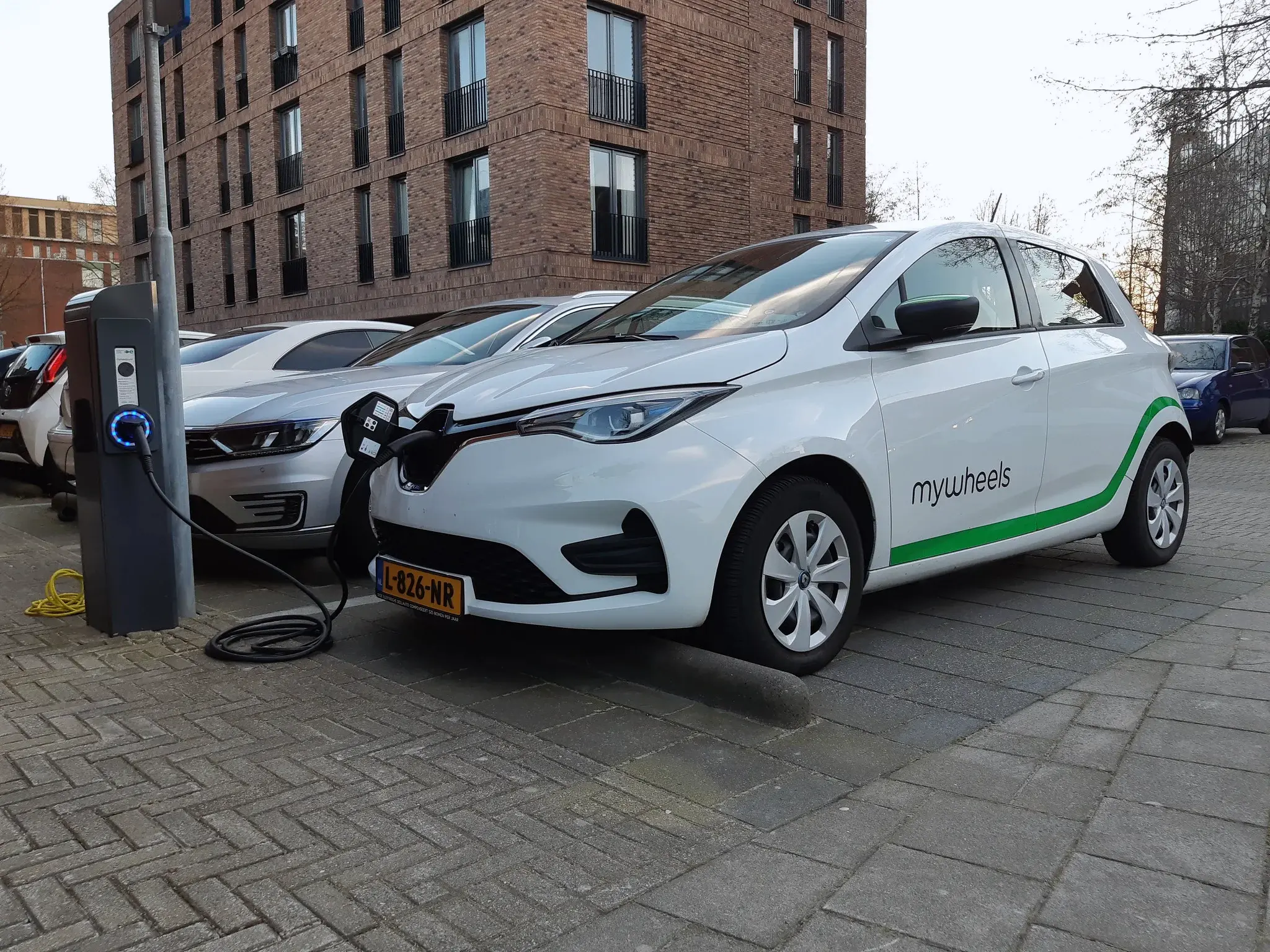
For electric vehicles, the calculation shifts to electricity rates, charging habits (home vs. expensive public fast-charging), and the very real but slower drip of battery degradation over time.
4. Insurance: Risk, Translated into Dollars
Your insurance premium is the company’s algorithm-backed opinion of how likely you are to cost them money. It’s not just about you; it’s about your car. A sporty coupe costs more to insure than a sedan with the same sticker price because historical data shows its drivers file more claims. A vehicle with expensive, hard-to-source parts or a poor safety rating will also carry a higher premium.

A practical insight I share: before you finalize a car purchase, get an insurance quote for that specific VIN. I’ve seen people stunned to learn the “affordable” used luxury car they want carries a $3,000 annual premium because of repair costs.
5. Maintenance & Repairs: The Inevitable
This pillar has two distinct phases, and failing to plan for the second is where budgets shatter.
Scheduled Maintenance (The Predictable): Oil changes, tire rotations, brake fluid flushes. These are in the manual. The cost varies wildly depending on whether you go to the dealer, an independent shop, or DIY. Owners of new cars often get lulled into a false sense of security by a "free maintenance" period, only to experience sticker shock when it ends.
Unscheduled Repairs (The Inevitable Surprises): Tires don’t last forever. Brake pads wear out. Batteries die. After 5-6 years, bigger components—alternators, water pumps, suspension parts—begin to fail. This isn’t bad luck; it’s the lifecycle of a machine. The most expensive car in the world isn’t the one with the highest price tag; it’s the reliable-looking used car with a hidden, catastrophic flaw or a design prone to $4,000 transmission failures.
The Hidden & Incidental Costs: The Budget Assassins
Beyond the five pillars lie the costs that slip through the cracks. They seem small individually but form a significant annual sum.
- Registration & Taxes: An annual or biannual fee that varies by state and vehicle value. That "personal property tax" on your car’s assessed value is a direct result of your purchase decision.
- Tolls & Parking: A daily downtown parking spot can easily exceed a car payment. Regular highway commuting with tolls adds up to hundreds per month. These are often considered “commuting costs” rather than “car costs,” but they are a direct function of vehicle ownership.
- Cleaning & Detailing: Whether it’s quarterly professional details or monthly self-service car washes, keeping a car presentable is a recurring cost.
- Traffic & Parking Violations: While avoidable, they are a realistic risk of operating a vehicle. Factor in the occasional fee.
The Ownership Timeline: Where Costs Pile Up
Your costs aren’t static. They evolve, and savvy owners anticipate the shifts.
- Years 1-3 (The Honeymoon): Costs are dominated by depreciation and loan interest. Maintenance is minimal and often covered. Reliability is assumed. The car feels like a pure expense.
- Years 4-7 (The Mature Phase): Depreciation slows. The loan is often paid off, providing cash flow relief. This is the “sweet spot” for value if the vehicle is reliable. However, out-of-warranty repairs begin. This is when a well-built car proves its worth and a poorly built one becomes a money pit. You must start funding a "repair sinking fund."
- Years 8+ (The Veteran Phase): Depreciation is minimal. The car is essentially transportation furniture. Repair frequency and costs can rise significantly, but if you’ve saved and the car is fundamentally sound, it can be incredibly cheap transportation. The risk is a single major failure (engine, transmission) costing more than the car’s value, forcing a difficult decision.
How to Calculate Your Own TCO: A Practical Method
Forget complex online calculators that spit out generic numbers. Do this instead:
- Choose Your Timeline: Pick a realistic ownership period (e.g., 5 years, 75,000 miles).
- Research Depreciation: Use sites like Kelley Blue Book or Edmunds to check the current value of a 5-year-old version of the car you want. Subtract that from the target purchase price. That’s your estimated depreciation loss.
- Model the Loan: Use an auto loan calculator with a real interest rate you qualify for. Note the total interest paid over the life of the loan, not just the monthly payment.
- Estimate Fuel: (Annual Miles / Real-World MPG) x Current Fuel Price x Number of Years. Be pessimistic with the MPG.
- Get Real Insurance Quotes: For the exact model and trim, from your insurer.
- Investigate Maintenance: Find the manufacturer’s scheduled maintenance guide online. Call a dealership service department (not sales) and ask for the estimated cost of the major service intervals (e.g., 60k mile service). For used cars, search owner forums for common failures after your target mileage.
- Add the Incidentals: Estimate registration, taxes, and an average for parking/tolls/cleaning.
The sum is your likely 5-year cost. Now divide it by 60 months. That is your true monthly cost. Compare that number to your budget, not the loan payment alone.
The Final Verdict: Shifting from Payment Mindset to Ownership Mindset
The goal of understanding Total Cost of Ownership isn’t to scare you away from buying a car. It’s to empower you to make a sustainable choice. The most “expensive” car may be the cheap, unreliable one that constantly needs repairs and strands you. The “cheapest” car may be the slightly more expensive, boringly reliable one that you drive for 12 trouble-free years.
I’ve seen the outcome of this knowledge gap. It’s the person trading in their car every three years, forever eating depreciation and never building equity. It’s the person stretching to a luxury badge and then skipping vital maintenance because they can’t afford the dealer’s bill. It’s also the person driving a 10-year-old car they own free and clear, banking what would have been a car payment, and having the freedom to choose their next vehicle on their own terms.
Move beyond the monthly payment. Buy the asset, not the expense. Your future self, the one who isn’t perpetually stressed about the next repair bill or trapped in an endless loan cycle, will thank you.