The Unsexy Truth About Long-Term Storage: It’s Not Parking, It’s Preservation
I’ve seen more vehicles ruined by "storage" than by hard driving. The misconception is pervasive: owners believe that parking a car and walking away is a passive act. In reality, long-term storage is an active, deliberate process of preservation. Get it wrong, and you’re not saving a vehicle; you’re sentencing it to a slow, expensive death by dry rot, corrosion, and mechanical seizure. Get it right, and you’re essentially hitting the pause button, allowing for a seamless return to the road. The difference isn’t subtle, and it’s written in repair bills I’ve reviewed for decades.
This isn't about a winter nap. We’re talking about storage measured in seasons or years—for a collector car, a secondary vehicle, a project you’re not ready for, or a car for a child who hasn’t yet earned a license. The principles are universal, born from the repeated, painful lessons of countless owners. Let’s move beyond the generic checklist and into the why and how of doing it properly.
The Foundation: Location is Everything
You can execute every other step perfectly, but a poor storage location will undo it all. The ideal environment is a clean, dark, temperature-controlled, and ventilated space. I understand that’s a fantasy for most. In practice, we work with what we have, but we must understand the compromises.
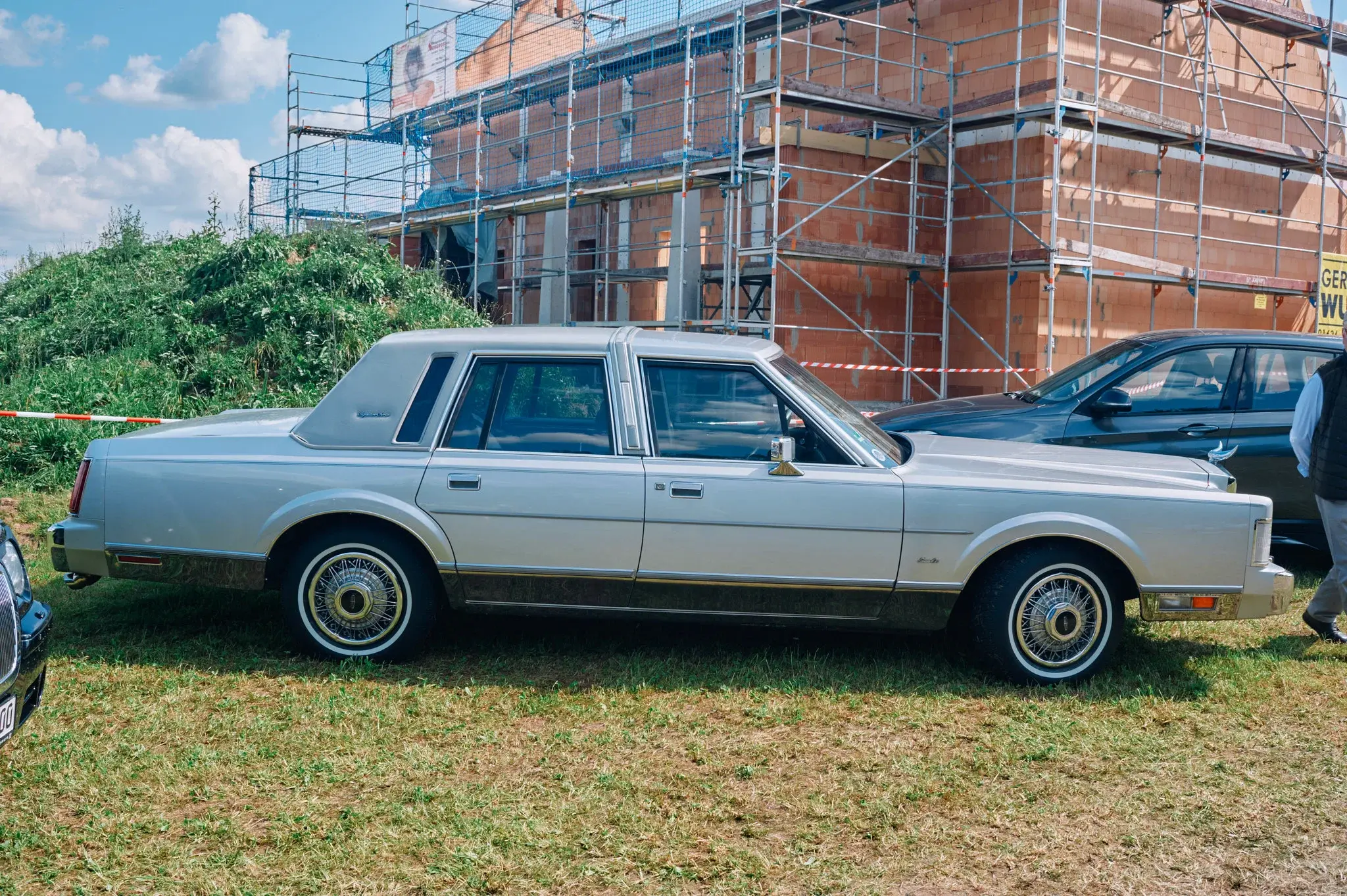
A concrete-floored garage is the practical minimum. Dirt or gravel floors introduce immense moisture and invite rodents. I’ve pulled more nests from underpinnings and airboxes in barn-stored cars than I can count. If a dedicated garage isn’t an option, a quality, breathable outdoor car cover over a weatherproof car shelter is the next best defense. Never use a plastic tarp directly on the paint; it traps moisture and acts like sandpaper in the wind. A fabric, soft-lined, form-fitting cover is mandatory.
The enemy triumvirate is Moisture, Temperature Swings, and Light. A damp, cycling environment promotes rust at an alarming rate. A dark, stable one slows the world to a crawl. Choose the best location available to you—it dictates every subsequent step.
Pre-Storage Preparation: The Most Important Day
The day you park the car is the most critical. This is where owners rush and regret. View this as a ritual.
Fluids and Lubrication: Old oil is acidic. Leaving it in the crankcase for years is an invitation for internal corrosion. Change it, along with the filter, before storage. The clean, additive-rich oil will coat internal components. Some advocate for fogging the cylinders; for a truly long-term sit (multiple years), it’s cheap insurance. Fill the fuel tank completely to 95% capacity. An empty tank collects condensation, leading to rust and water in your fuel. Add a fuel stabilizer, drive the car for 10-15 minutes to circulate it through the entire system, and then park it. This stabilizes the fuel and coats the injectors or carburetor jets.
Protection from Pests: Rodents are your car’s arch-nemesis. They chew wiring, insulation, and hoses to build nests, causing faults that are maddening to diagnose. Seal up any openings you can. Place dryer sheets, peppermint oil pouches, or commercial rodent deterrents in the engine bay, interior, and trunk. I’ve seen owners go as far as placing ultrasonic repellents nearby. Do not underestimate this threat.

Deep Clean: Wash and wax the exterior thoroughly. Clean the interior meticulously, removing all food crumbs and debris. A dirty car attracts pests and gives contaminants more time to etch into surfaces. Apply a protectant to vinyl and rubber seals to prevent drying and cracking.
The Great Tire Debate: Jack Stands vs. Over-Inflation
Here’s where I take a definitive position based on what I’ve seen in the real world. Flat-spotting is a real phenomenon. Tires develop hard, flat areas where they contact the ground under the vehicle's static weight. Sometimes these are temporary and "round out" with driving; often, on modern low-profile tires, they become permanent, creating a shuddering ride.
Many guides will tell you to simply over-inflate the tires to 40-45 PSI. In my observation, this is a half-measure for shorter-term storage. For true long-term preservation (6+ months), the vehicle’s weight must be removed from the tires. This means using quality jack stands placed at the vehicle's proper lift points.
The fear of suspension damage from being unloaded is, for most modern vehicles stored on level ground, overblown. The benefit of preventing hundreds of dollars in tire replacement is concrete. If you must leave it on the ground, over-inflate and plan to move the car at least a few inches every month to shift the contact patch. But know this is the inferior option.
The Battery: Disconnect or Maintain?
The battery will die if left connected. Period. A parasitic draw, however small, will drain it over weeks. A deeply discharged lead-acid battery will sulfate, losing capacity permanently.
For any storage over a month, disconnect the negative battery cable. This breaks the circuit and prevents drain. For storage over a season, I strongly recommend removing the battery entirely, cleaning the terminals, and storing it in a cool, dry place on a wooden board (not concrete). Attach a smart battery maintainer/tender. A simple trickle charger can overcharge and cook a battery; a modern maintainer provides a float charge that keeps it at optimal voltage indefinitely. This is one of the best $50 investments you can make.
Interior and Exterior Preservation
Moisture Control: A damp interior breeds mold and mildew. Place several moisture-absorbing desiccant buckets (like DampRid) inside the cabin and trunk. Silica gel packs are not enough for this scale. In humid climates, this is non-negotiable.
Windows and Seals: Crack the windows ever so slightly—just a millimeter—to allow air exchange and prevent a sealed, stagnant environment. This helps equalize pressure and temperature. Apply a rubber protectant (like 303 Aerospace) to all weatherstripping and door seals to keep them pliable.
Soft Tops and Convertibles: Store them up and latched. Leaving a soft top folded or under tension for years degrades the material and can deform the frame. The structure is designed to be in its erected position.
The Engine and Fuel System: Beyond Stabilizer
That fuel stabilizer you added needs help. For storage beyond a year, the best practice is to either drain the fuel system completely (which can dry out seals) or, as many professional storage facilities do, introduce an inert gas like nitrogen into the fuel tank to displace oxygen and prevent oxidation. For the home mechanic, running the system dry and adding a few gallons of fresh fuel with stabilizer upon reactivation is a common path.
For the engine, some recommend removing the spark plugs and squirting a small amount of oil into the cylinders to prevent ring rust. For a multi-year storage in a non-climate-controlled environment, it’s a wise step. Just remember to label your wires before pulling them.
The Reactivation: Don’t Just Turn the Key
The day you bring the car back is as important as the day you parked it. Owners are often so excited they skip crucial steps.
- Reinstall a fully charged battery. Check connections.
- Do a visual inspection. Look for signs of pests, leaks, or nesting material. Check tire pressures (remember, you over-inflated them or they’ve been on stands).
- With the engine still OFF, turn the key to the "on" position. Listen for the fuel pump priming. Cycle this a few times to build fuel pressure in the rail before placing any demand on the starter.
- Before starting, if you stored it with fogging oil in the cylinders, it’s wise to crank the engine with the fuel pump fuse pulled or the ignition disabled to build oil pressure. Consult a manual for your specific vehicle.
- Once it starts, let it idle. Don’t rev it. It will smoke if you used fogging oil—this is normal. Let it reach operating temperature. Listen for odd noises.
- Check all fluids again after it’s warmed up. Brake fluid is hygroscopic (absorbs moisture) and should likely be flushed. Coolant should be checked for proper strength and level.
- Perform a very careful brake test at low speed before hitting the road. Brake rotors will have surface rust that should clean off with a few gentle applications. Calipers can stick after long inactivity.
- Take it for a gentle drive. The goal is to get everything up to temperature, circulate new fluids, and re-seat seals. Check for any warning lights or handling issues.
The Mindset Shift: Storage as an Active Verb
The common thread in every storage disaster I’ve witnessed is passivity. The owner viewed the car as "put away," an object out of mind. The successful owners view storage as the first phase of a long-term relationship. They calendar monthly check-ins (even if it’s just a visual walk-around), they monitor their battery tender, they refresh desiccants.
Long-term vehicle storage isn’t about neglect; it’s about deliberate, informed preparation for dormancy. It requires an upfront investment of time and a modest amount of money. That investment pays a massive dividend: the profound satisfaction of turning a key after years and having the engine fire to life as if it had been run yesterday, ready for the road without a parade of new problems. That’s the real goal—not just parking a car, but preserving a machine in a state of ready potential. Do the work now, so you can enjoy the drive later.