
The Warranty Maze: A Real-World Guide to Not Getting Lost
I’ve watched it happen a thousand times. A buyer, flushed with the excitement of a new vehicle, sits in the F&I manager’s office. Spread before them is a menu of protection plans: the “Platinum Wrap,” the “Drivetrain Plus,” the “Bumper-to-Bumper Ultimate.” The language is dense, the prices are steep, and the pressure is palpable. The salesperson leans in, voicing the universal fear: “Imagine a $5,000 repair bill in year four. Wouldn’t you want to be covered?” Many sign, gripped by anxiety. Many others refuse, dismissing it all as a scam. Both, in my observation, are often wrong.
Automotive warranties and extended coverage aren’t a simple yes-or-no proposition. They’re a financial tool, and like any tool, their value depends entirely on the job you need them to do. Having seen the relief on an owner’s face when a $4,200 transmission replacement costs them a $100 deductible, and the fury of another who discovers their “excluded” failure isn’t covered, I can tell you this: knowledge is the only thing that prevents regret.
Let’s cut through the brochure-speak and the dealer pressure. This is what you need to know, based on how these policies actually work in the real world.
The Foundation: Understanding Your Factory Warranty
Every new vehicle comes with a factory warranty, and it’s crucial to know this isn’t one monolithic thing. It’s a bundle of promises, each with different terms and purposes.
- The Bumper-to-Bumper Warranty (Typically 3 years/36,000 miles): This is the closest thing to “everything is covered.” In practice, it covers almost every part of the vehicle that isn’t a wearable item, against defects in materials or workmanship. Key word: almost. I’ve seen owners shocked to learn that items like brake pads, wiper blades, tires (covered by their own warranty), and light bulbs are considered wearable and are excluded. This warranty is your strongest protection, but read the exclusions list. It’s the owner’s bible for the first three years.
-
The Powertrain Warranty (Often 5 years/60,000 miles, sometimes longer): This covers the heart of the vehicle: engine, transmission, driveline components. It’s more restrictive. If your infotainment screen fails in year four, you’re out of luck. But if your engine seizes, you’re likely covered. The critical observation here is that modern powertrains are generally reliable within this period. The major value of a long powertrain warranty is peace of mind, not necessarily frequent use.
-
The Corrosion/Perforation Warranty (Often longer-term, like 5 years/unlimited miles): This covers rust that eats through a body panel from the inside out. It does not cover surface rust, stone chips, or scratches that lead to corrosion. In dry climates, this warranty rarely comes into play. In the salt belt, it’s more relevant, but the standard is high—“perforation” means a hole.
-
Emissions Warranty: Federally mandated, it covers key emissions components for at least 2 years/24,000 miles and major parts like the catalytic converter and engine computer for 8 years/80,000 miles. Most owners forget this exists until an emissions-related check engine light appears at 75,000 miles. Then, it’s a welcome surprise.
The Unwritten Rule: Factory warranties are non-negotiable and transferable. They follow the vehicle, not the owner. This is a key point for used car buyers.
The Crossroads: Extended Warranty vs. Vehicle Service Contract
Here’s where terminology gets manipulative. Dealers sell “extended warranties,” but they are almost always selling Vehicle Service Contracts (VSCs). The distinction is vital.
A true warranty is a promise made by the manufacturer (like your factory coverage). A Vehicle Service Contract is a repair insurance policy sold by a third-party administrator or sometimes the automaker’s financial arm. You pay a premium, and they agree to pay for certain repairs under certain conditions.

Why does this matter? Because the entity you’re dealing with when your $2,500 turbocharger fails isn’t Toyota or Ford; it’s “XYZ National Warranty Corp.” Their loyalty is to their bottom line, not to the brand’s reputation. I’ve seen claims handled seamlessly by manufacturer-backed programs (like GM’s ACDelco or Ford’s ESP) and nightmarishly by obscure third-party administrators who deny claims on technicalities. Your first question should always be: “Who is the administrator/underwriter of this contract?” If they hesitate or give you a name you’ve never heard, proceed with extreme caution.
The Million-Dollar Question: Should You Buy Extended Coverage?
The sales pitch is fear. The rational answer is math and psychology. Don’t buy it because you’re scared in the finance office. Buy it, or reject it, based on a clear-eyed assessment.
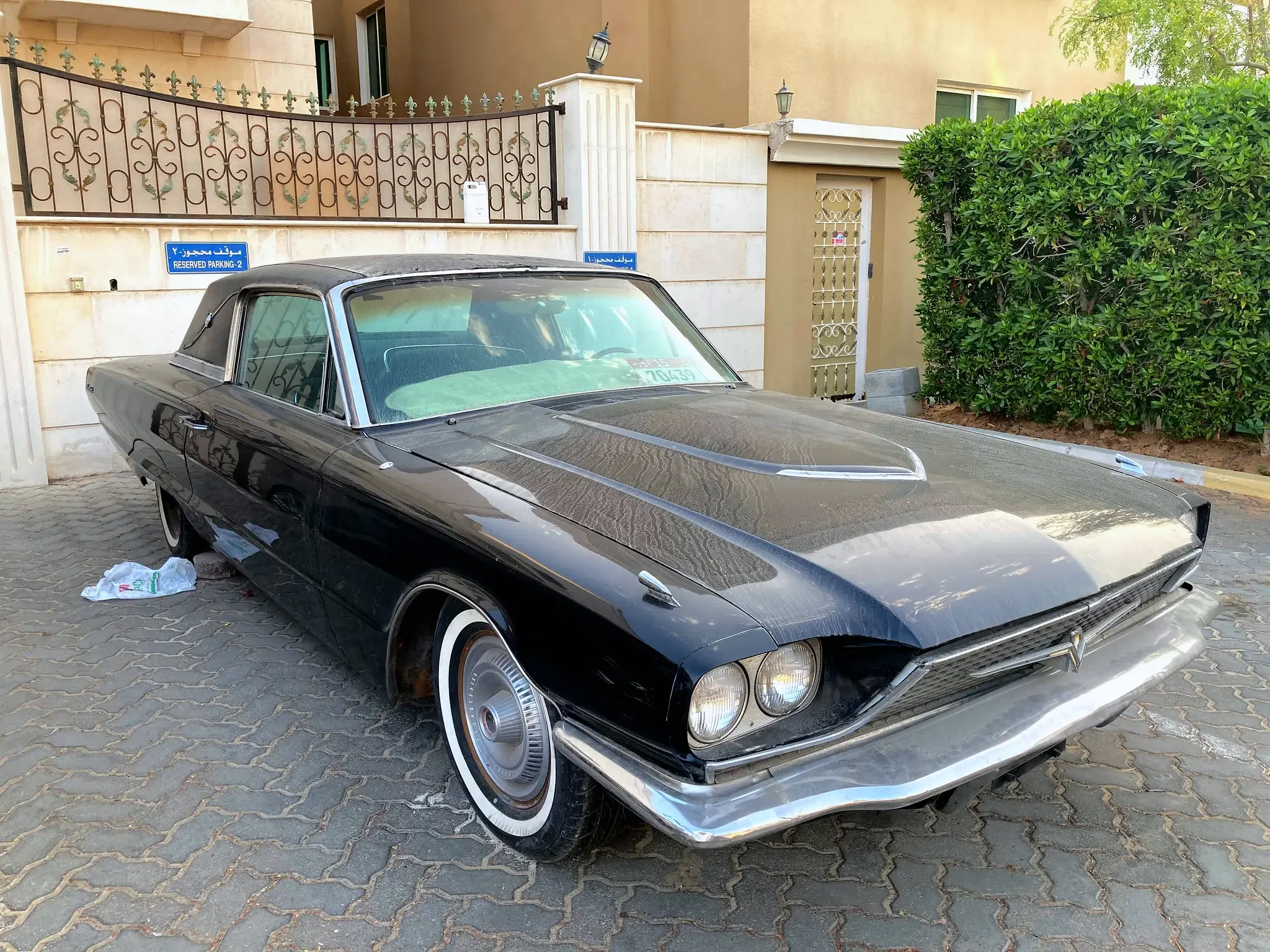
Consider Buying a VSC If:
- You Plan to Keep the Vehicle Long-Term: Beyond the factory warranty, usually past 100,000 miles. This is when expensive, non-routine repairs (transmissions, major engine components, advanced electronics) become more statistically likely.
- You Drive a Vehicle with Known Complex/Expensive Technology: Luxury brands, vehicles with complex turbocharged/supercharged engines, air suspension, or cutting-edge hybrid/EV systems. The cost of a single major repair can eclipse the price of a long-term contract. I’ve seen one air strut replacement on a European SUV nearly cover the cost of a top-tier service contract.
- You Value Budget Predictability Above All Else: For some owners, the certainty of a known monthly cost (or one upfront payment) is worth a potential premium. They treat it as insurance against catastrophic financial surprise.
- You Are Buying a Used Vehicle with No Remaining Factory Warranty: A reputable, exclusionary VSC (more on that below) can be a smart hedge against the unknowns of a pre-owned car’s history.
You Can Likely Skip It If:
- You Lease or Change Cars Every 3-4 Years: You’ll always be within the factory bumper-to-bumper or powertrain coverage. You’re paying for protection you will literally never use.
- You Drive a Proven, Low-Complexity Vehicle: Certain models have decades-long reputations for mechanical simplicity and durability. Your risk profile is lower.
- You Have a Reliable Independent Mechanic and Can Self-Insure: If you have the financial discipline to set aside $75-$100 a month into a dedicated “car repair” savings account, you may come out ahead over a 10-year period. This requires actual discipline, which most owners, frankly, lack.
- You Are a Competent DIY Mechanic: If you can handle everything short of a transmission rebuild in your garage, your cost of ownership is fundamentally different.

Navigating the Contract Itself: The Devil is in the Dozens of Details
This is where owners get burned. They see “Gold Plan” and assume coverage. You must read the sample contract. Focus on these pillars:
- Exclusionary vs. Stated Coverage: This is the single most important distinction.
- Exclusionary Contract: This is the gold standard. It reads: “We cover EVERYTHING except the following listed items.” Those items are typically wearables (brakes, tires, wiper blades, clutches), maintenance, and environmental damage. It’s comprehensive and leaves little room for argument.
- Stated Coverage Contract: This reads: “We only cover the components listed on this page.” If it’s not on the list, it’s not covered. These contracts are cheaper for a reason—they often omit expensive electronic control modules, advanced safety sensors, and suspension components. I’ve witnessed denied claims where the failed part was an “assembly” containing a covered item, but the assembly itself wasn’t on the list.
-
Term, Mileage, and Deductible: Is it 5 years/100,000 miles from new, or from today? The former is far less valuable on a used car. Is the deductible per visit or per repair? A $200 per-visit deductible that covers a $3,000 transmission and a $800 infotainment unit in the same shop visit is a good deal. A $200 per-repair deductible on the same issues means you pay $400.
-
Claim Process & Repair Facility: Can you use your trusted independent mechanic, or are you forced to a dealership network? Who pays the shop directly? (You want the administrator to pay the shop, not you to front the money and seek reimbursement).
-
Transferability & Cancellation: A transferable contract adds resale value to your car. A pro-rated cancellation policy means you can get a refund if you sell the car early, calculated from the unused term/mileage.

Real-World Strategies for the Smart Owner
- Never Buy on Day One: The hardest sell happens in the finance office. Politely decline. The factory warranty has you covered for years. You can almost always buy the exact same manufacturer-backed VSC from any dealer in the country, often for hundreds less, right up until your factory warranty expires. Shop online. I’ve seen savvy owners get quotes from high-volume dealers in other states who discount these plans aggressively.
- Price is Negotiable: The listed price for a VSC has a massive profit margin built in. It is always negotiable. Come with a competitive quote in hand.
- Maintenance Records are Non-Negotiable: To have any hope of a smooth claim, you must follow the manufacturer’s recommended maintenance schedule and keep meticulous records. An administrator will use a missed oil change as grounds to deny an engine claim. They will look for it.
- For Used Cars, Consider a Pre-Purchase Inspection (PPI): A $150 inspection by a qualified mechanic will tell you more about your immediate risk than any salesperson. Use that knowledge to decide if you need a safety net.
The Bottom Line
An automotive warranty or service contract is not “good” or “bad.” It’s a risk-management product. The worst reason to buy one is the fear manufactured in a sales office. The best reason is a calculated decision based on your vehicle’s technology, your ownership timeline, your financial tolerance for surprise, and a thorough understanding of a contract’s fine print.
In my experience, the most satisfied owners are not the ones who never buy coverage, nor the ones who blindly buy the most expensive plan. They are the ones who read the contract, ask the hard questions, shop around, and make a choice that aligns with their specific reality—not with a universal sales pitch. They control the process, rather than letting the process control them. That’s the only way to navigate the maze.