The Storage Choice You Make Today Dictates Your Car’s Tomorrow
I’ve watched it happen for decades. A person buys a car they love, invests in maintenance, and then, almost as an afterthought, parks it under a tree dripping sap or in a leaky, makeshift structure. Years later, they’re baffled by the faded paint, persistent rust spots, and interior mildew. The single most overlooked factor in long-term vehicle preservation isn’t the oil you use or how often you wax it—it’s where you keep it when you’re not driving.
Choosing how to store your vehicle is a fundamental decision that impacts its value, safety, and longevity. It’s a choice between convenience, cost, and protection, and in my experience, most owners default to the easiest option without understanding the long-term trade-offs. Let’s move beyond the brochure descriptions and look at the real-world performance of garages, carports, and covers. This isn’t about what’s theoretically best; it’s about what works, what fails, and what your choice says about your priorities as an owner.
The Fortress: Enclosed Garages
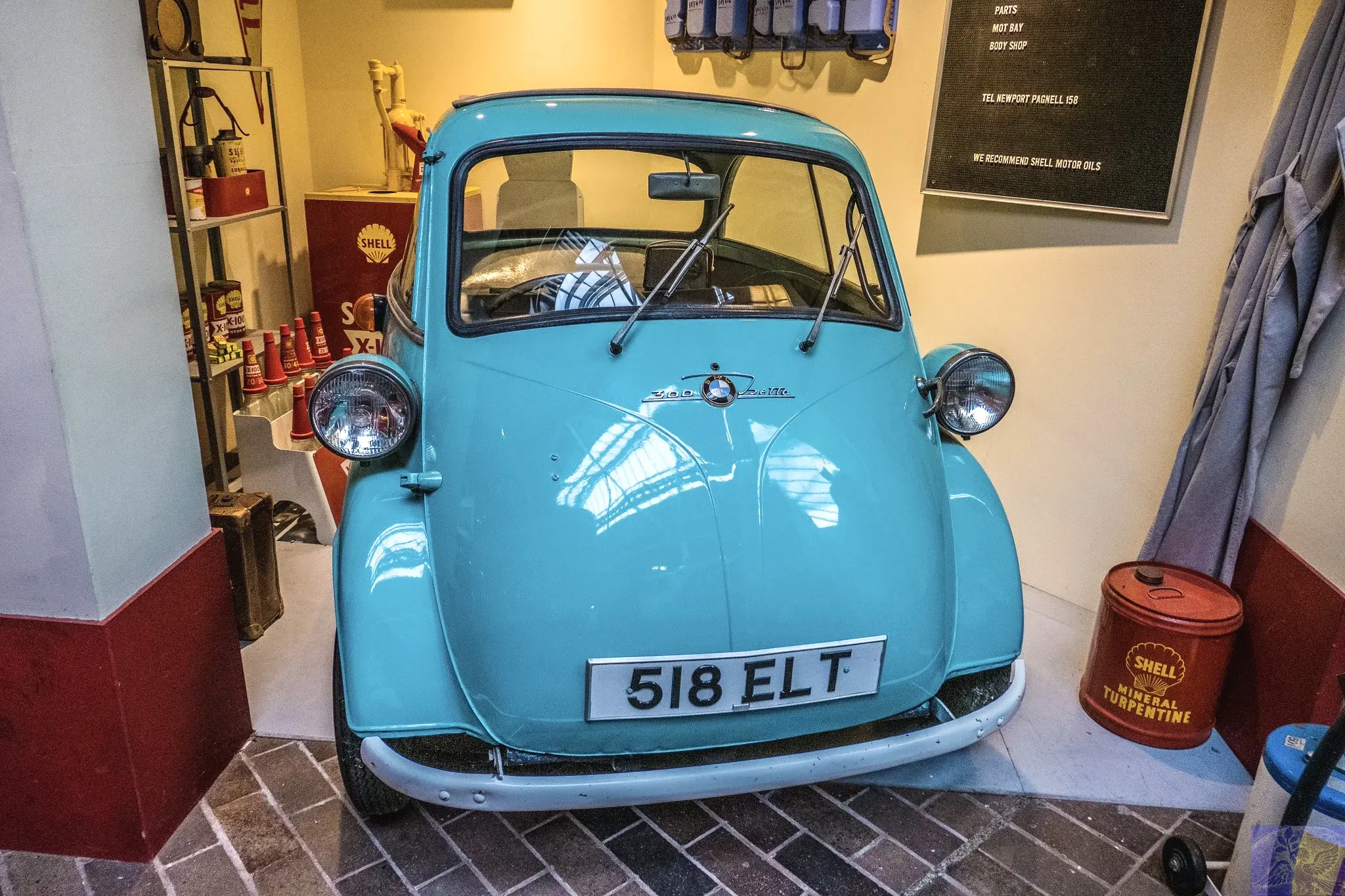
The garage is the undisputed champion of vehicle storage, but not all garages are created equal. In practice, a true protective garage is a climate-controlled, sealed environment. That detached single-car unit from the 1950s with a dirt floor and gaps in the siding? It’s a glorified carport with walls.
The Unmatched Advantages: A proper, well-built garage offers complete sanctuary. It provides absolute security from theft and vandalism—a growing concern I’ve seen render comprehensive insurance claims routine in some areas. It delivers total environmental control. Your car is shielded from UV rays, which oxidize paint and crack dashboards; from acid rain and industrial fallout that etch clear coats; from hail, falling branches, and bird droppings that cause immediate physical damage. In colder climates, it eliminates the morning scrape-and-idle ritual, reducing engine wear and saving you tangible time.
Perhaps the most underrated benefit is cleanliness and dryness. A vehicle stored in a dry garage simply doesn’t develop the musty smell, the surface rust on brake rotors, or the mildew in ventilation systems that plague outdoor-stored cars. Its interior materials—the leather, plastics, and fabrics—last exponentially longer.
The Real-World Caveats: Garages have a psychological side-effect: they become catch-alls. I’ve seen countless three-car garages that can’t fit a single bicycle. This defeats the entire purpose. The space must be dedicated to the vehicle to be effective. Furthermore, a garage without climate control in a humid region can become a moist oven, sometimes worse than a breezy carport. Dehumidifiers are a non-negotiable addition in these cases.

Cost is the defining barrier. Building a new garage is a major construction project. For renters or those with constrained property, it may simply be off the table. But for owners who plan to keep a vehicle for more than five years, the investment in a proper garage often pays for itself in retained resale value and avoided repair costs.
The Compromise: Carports
The carport is the pragmatic middle child. It’s a roof and often some support posts, offering a specific subset of protections. It’s what you choose when a garage is too much, but a cover is too little. Its performance is entirely dependent on its design and orientation.
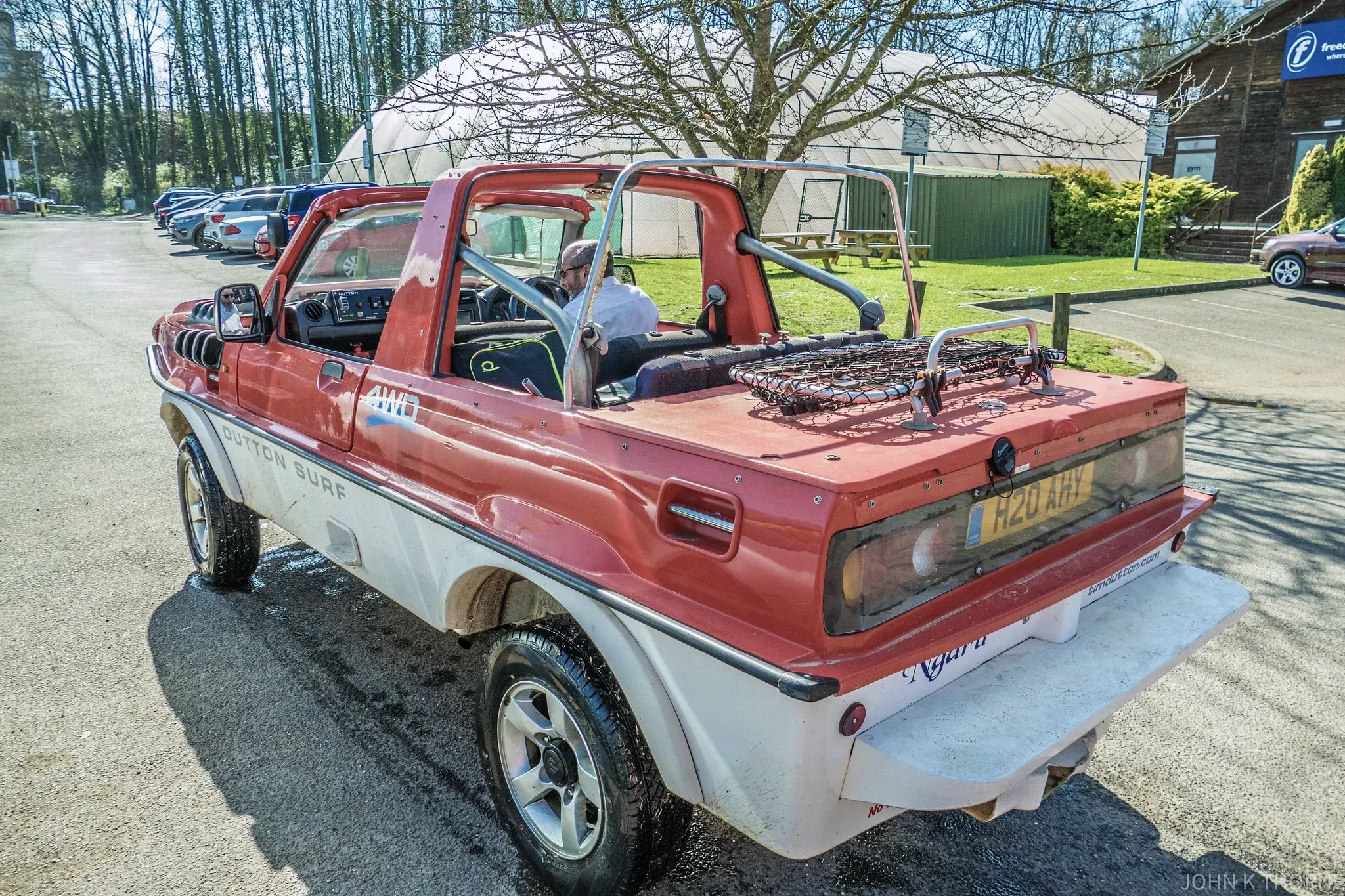
What They Actually Do Well: A well-situated carport is brilliant at defeating precipitation and direct sun. Your car stays dry during rain and snow, and the interior avoids the greenhouse effect that can push temperatures to 150°F on a sunny day. This alone prevents a huge amount of weather-related wear. I’ve observed that cars under carports retain their interior plastics and dashboard surfaces far better than fully exposed vehicles.
They also provide excellent protection from falling debris like acorns, sap, and bird droppings. The open sides allow for ventilation, preventing the stagnant, moist air that can plague a sealed, unventilated garage.
Where They Fall Short in Practice: Carports provide zero security. They are, by design, open. They offer no barrier to theft, curiosity, or vandalism. They also provide no protection from blowing elements. Wind-driven rain, dust, pollen, and morning dew will coat your car unabated. In coastal areas, salt spray finds its way under a carport as easily as it does across an open driveway.
The “side shade” effect is also a real concern. Depending on the sun’s path, your car may be exposed to several hours of direct, low-angle sun that slips under the roof eaves, leading to uneven fading. Owners often don’t notice this until they wash the car and see a stark line.

Durability is another factor. A flimsy, prefabricated metal carport can be a liability in high winds, risking collapse onto the very vehicle it’s meant to protect. Investing in a structurally sound model anchored to a proper foundation is critical.
The Minimalist Shield: Vehicle Covers
Covers are the most misunderstood and misused option. In the right context, they are a lifesaver. Used incorrectly, they are a paint-destroying liability. I cannot stress this enough: A cover is a tool for a specific job, not a universal solution.
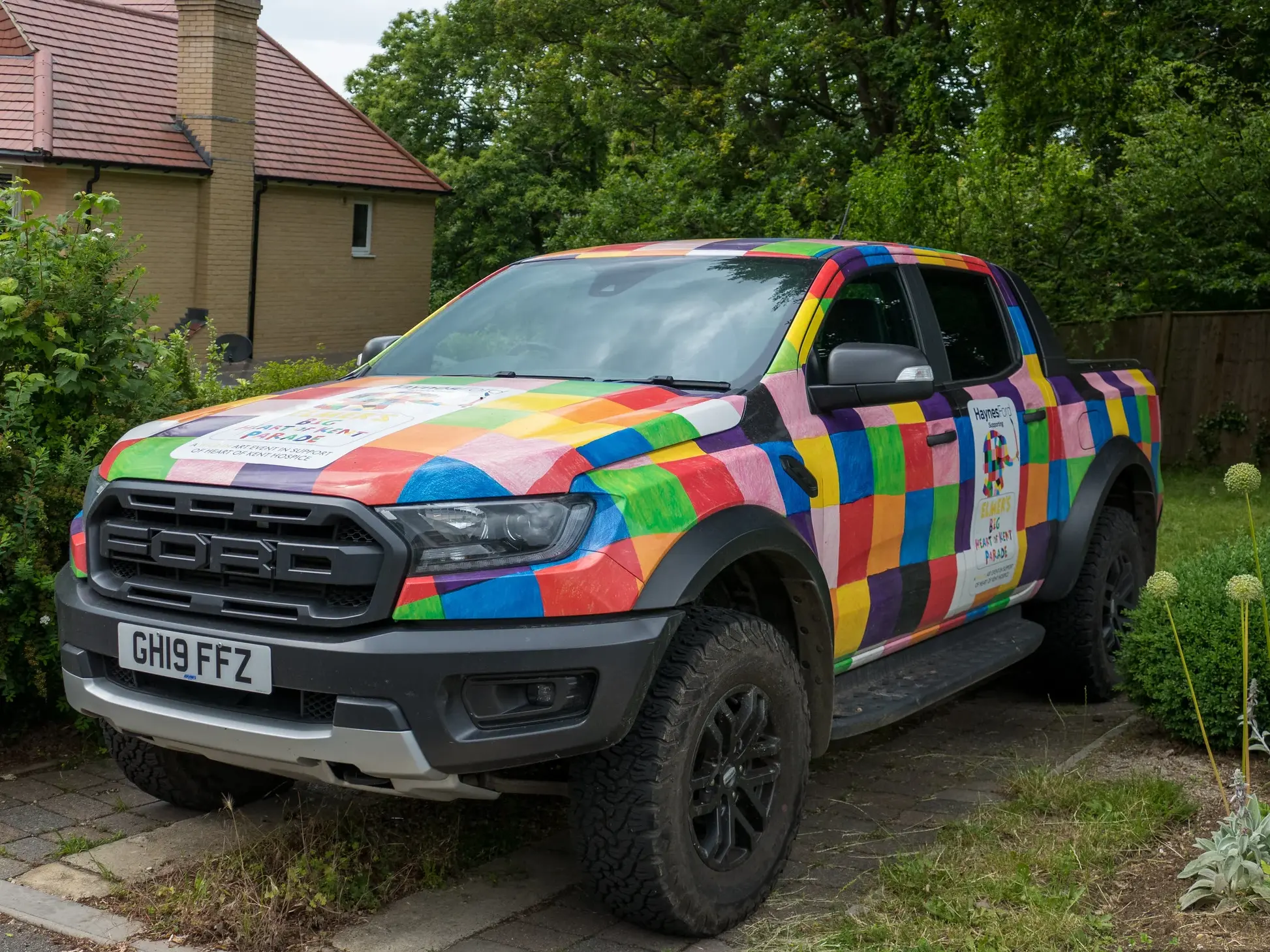
The Ideal Use Cases: For a garage-kept classic or seasonal vehicle, a soft, breathable, indoor cover is perfect. It keeps off dust and prevents incidental scratches from people brushing past. For someone with garage space but no carport who needs short-term outdoor protection—say, during a week of expected hail or while tree work is being done—a high-quality outdoor cover is a fantastic temporary shield.
The portable nature is their prime advantage. They go where the car goes. For condo dwellers or street parkers, it might be the only physical protection available.
The Catastrophic Misapplications: This is where I’ve seen the most damage done. Owners will buy a cheap, non-breathable “tarp-style” cover and throw it over a dirty car. Wind causes the cover to flap, grinding the trapped dirt and grit into the paint like sandpaper. Moisture gets trapped underneath, leading to mildew on the interior and accelerated surface rust on the body. A cover on a consistently dirty car does more harm than good.
Furthermore, putting a cover on and off a daily driver is a chore that most people abandon within two weeks. It becomes a soggy, heavy bundle to store. In high-theft areas, a cover also signals “special car inside,” potentially making you a target.

If you use a cover, you must commit to a clean vehicle surface every time you apply it, and invest in a high-quality, soft-lined, breathable, and properly fitted model designed for outdoor use. The $50 cover will cost you $500 in paint correction.
Making the Decision: A Framework Based on Reality
So how do you choose? Don’t start with the product. Start with an honest assessment of your situation.
- Evaluate Your Threats: List them in order. Is it relentless sun? Crime? Tree sap? Winter road salt? Hail? Your primary threat dictates your first line of defense. If it’s sun and rain, a carport may suffice. If it’s security and snow, only a garage will do.
- Audit Your Behavior: Be ruthlessly honest. Are you the type to fastidiously clean your car before covering it? Or will that cover end up in a heap in the corner? Will you keep the garage clear, or will it become a storage locker? Your habits determine what solution will be sustained, not just installed.
- Consider the Vehicle’s Role: A daily-driver economy car has different needs than a weekend sports car or a collectible. The cost of protection should be proportional to the value you seek to preserve—both monetary and sentimental.
- Understand the Long-Term Calculus: A garage adds to property value. A carport is a moderate, fixed cost. A cheap cover is a recurring cost that leads to repair bills. A quality cover is a recurring replacement cost (they wear out). Run the numbers over a 5-year period.
The Hybrid Approach: Layering Defenses
The most effective strategies I’ve seen often involve a hybrid approach. They layer protections to mitigate the weaknesses of a single solution.
- Carport + Quality Cover: This is a powerful combo for a prized vehicle without garage access. The carport handles the bulk rain, sun, and debris, while a cover (placed on a clean car) adds a layer of dust and moisture protection and reduces the "side shade" sun exposure.
- Garage + Dehumidifier/Ventilation: Transforming a basic garage into a true preservation space. This is essential in humid climates.
- Basic Cover + Strategic Parking: If you only have a cover, your parking location is part of your system. Park in a spot shielded from the prevailing wind to reduce cover flap, and away from trees to minimize debris.
The Bottom Line

Your vehicle’s storage is its home. You wouldn’t live in a house with a leaking roof and unlocked doors and expect to remain safe and healthy. The same logic applies to your car.
If you can possibly manage it, a dedicated, well-maintained garage is always the correct long-term answer. It is the only option that addresses security, weather, and environmental degradation comprehensively.
The carport is the rational choice for the committed owner who cannot build a garage but can dedicate space and wants a permanent, low-maintenance solution for robust daily protection. It’s a workhorse.
The cover is a specialist tool—excellent for short-term crises, essential for indoor dust protection, and viable for daily use only with fastidious habits and a significant upfront investment in the right product.
In the end, the choice isn't just about where you put your car tonight. It's about what you want that car to be years from now. Choose based on the future you intend to preserve, not just the convenience of today.