Eco-Driving: Beyond the Carpool Lane Sticker
Let’s start with an uncomfortable question: How many drivers who claim to care about their environmental impact are actually just performing a kind of automotive virtue signaling? I’ve watched it for years—the pristine hybrid in the fast lane, darting and accelerating like it’s qualifying for pole position, its driver smugly believing the badge on the fender absolves all sins. The truth is, how you drive is often more impactful than what you drive. Reducing your carbon footprint behind the wheel isn’t about the car you buy; it’s a skill set, a mindset, and a series of deliberate choices made every time you turn the key.
Eco-driving gets dismissed as hypermiling folklore or a tedious sacrifice of performance. In reality, it’s the most direct, immediate, and cost-effective way to cut emissions and fuel costs, regardless of your vehicle. I’ve seen drivers achieve 20-30% improvements in fuel economy without adding a single aftermarket gadget, simply by changing their habits. This isn’t theory; it’s a collection of observable, repeatable techniques that work on anything from a decades-old sedan to the latest electric vehicle. Let’s move past the stickers and slogans and talk about what actually works on the asphalt.
The Foundation: It’s About Flow, Not Force
The single greatest misconception I observe is the belief that slow driving equals efficient driving. It’s more nuanced than that. Efficiency is about maintaining momentum and minimizing energy waste. Internal combustion engines are terribly inefficient at converting fuel into motion; most of that energy is lost as heat. Your driving style directly influences that waste.
The core principle is smoothness. Aggressive acceleration doesn’t just burn fuel—it’s a complete inefficiency. Jackrabbit starts from a stoplight force the engine into a high-fuel-demand, low-efficiency zone. I tell drivers to imagine an egg between their foot and the pedal. The goal is to accelerate moderately and steadily to your desired cruising speed. In practice, the most efficient drivers I’ve observed merge and accelerate with a calm, deliberate flow that looks effortless because it is. They’re not holding up traffic; they’re simply not treating every green light as a personal drag strip.
Cruising is the next act. Once at speed, the objective is to maintain it with minimal throttle input. This is where anticipation becomes your most powerful tool. The brake pedal is essentially a converter of money and fuel into heat. Every time you brake unnecessarily, you are literally throwing away the fuel you used to get up to speed.
The Art of Anticipation: Reading the Road Ahead
This is the skill that separates the truly efficient driver from the one who just read a tip online. Anticipation means looking 10-15 seconds ahead, reading the flow of traffic, the timing of traffic lights, and the behavior of other cars.
When you see a red light or slowing traffic in the distance, the instinct of most drivers is to coast up to it and then brake. The eco-driver’s move is to lift off the accelerator immediately. By allowing engine braking and friction to slow the car gradually, you often find the light changes or traffic begins moving again before you’ve even come to a complete stop. You’ve conserved all that kinetic energy instead of dissipating it through your brake pads. I’ve ridden with drivers who can navigate suburban arterials with remarkably few complete stops, not by magic, but by paying attention to light cycles and easing back on their speed half a block earlier.
On the highway, it means avoiding the “accordion effect” in heavy traffic. Instead of tailgating and reacting violently to every brake light three cars ahead, you create a buffer. By maintaining a more consistent, slightly slower speed than the swarm, you often find the traffic wave smooths out in front of you. You brake less, accelerate less, and arrive just as quickly—but far more relaxed and with a fuller tank.
Speed: The Silent Efficiency Killer
Here’s a fact many drivers resist: For most vehicles, aerodynamic drag increases exponentially with speed. Once you push past about 50-55 mph for many cars and crossovers, fuel economy begins to plummet. Driving 75 mph instead of 65 mph can slash your fuel economy by 15-20%. It’s a direct trade-off between minutes saved and dollars burned.
The most telling behavior I see is the driver who races up to the next car in the passing lane, only to slam on the brakes. They’ve burned a surplus of fuel to gain zero positional advantage. On a long trip, setting the cruise control to a moderate, legal speed (say, 68 mph instead of 78 mph) adds negligible time—often just a few minutes over an hour—but results in dramatic fuel savings. It’s a straightforward equation of patience over impulse.
Vehicle Sympathy: Maintenance as an Eco-Strategy
Eco-driving starts before you even leave the driveway. A poorly maintained car is an inefficient car, and I’ve diagnosed countless “mysterious” drops in MPG with a tire pressure gauge or an air filter check.
Tire Pressure: This is the lowest-hanging fruit. Under-inflated tires increase rolling resistance dramatically. They create a mushy, sluggish feel that drivers often compensate for with more throttle. Check pressures monthly when the tires are cold. Stick to the manufacturer’s recommended PSI on the door jamb sticker, not the maximum on the tire sidewall. The difference in fuel economy is measurable and immediate.
Engine Maintenance: A clogged air filter chokes the engine, making it work harder for air. Dirty oil increases internal friction. A misfiring spark plug wastes fuel. Following the severe service schedule in your manual (which fits most drivers) isn’t just about longevity; it’s about peak efficiency. I’ve seen cars regain 3-5% in fuel economy just from a routine service that addressed these basics.
The Dead Weight Audit: We become blind to the clutter in our cars. That bag of sports equipment, those cases of water, that collection of rarely-used tools in the trunk—it’s all extra mass your engine must accelerate. For every 100 pounds of unnecessary weight, fuel economy can drop by 1-2%. Clean out your car. You’ll be surprised at what you’re hauling around for no reason.
The Ancillary Load: Your Car’s "Household" Energy Use
Modern vehicles are power stations. Every accessory draws energy, which ultimately comes from the fuel in your tank (or the battery’s charge).
Air Conditioning: This is the big one. At low speeds, open windows are more efficient. At highway speeds, open windows create significant drag, making A/C the more efficient choice for climate control. The practical compromise? On the highway, use the A/C but set it to a reasonable, not arctic, temperature. In city driving, use vent settings and windows when you can.
Heated Seats & Defrosters: Heated seats use far less energy than cranking the cabin heater, which in internal combustion cars relies on waste engine heat (so it's "free" once the engine is warm) but in electric vehicles is a massive drain on range. In an EV, the strategy flips: seat heaters are your friend, cabin heat is your range enemy.

The Myth of "Warming Up": In the modern era, idling a cold engine for minutes is pointless and profoundly wasteful. Engines warm up faster under light load. The most efficient practice is to start the car, allow it to idle for the 15-30 seconds it takes to buckle up and get situated, then drive gently for the first few miles. You’ll get heat faster and pollute less.
The Bigger Picture: Trip Planning and Modal Choice
The most efficient trip is the one you don’t take, and the second most efficient is the one you combine with others. Technology has made this easier than ever.
Trip Chaining: Instead of making five separate short trips throughout the day—the absolute worst kind of driving for efficiency and engine wear—plan one efficient loop. A cold start for a two-mile trip is an efficiency disaster. Combining errands so the engine stays at operating temperature is a simple, massively effective strategy.
The 2-Mile Rule: For trips under two miles, seriously consider walking, cycling, or public transit if viable. Not only do you save fuel, but you avoid the extreme wear and emissions of a cold-start, short-hop cycle. This is where real behavioral change happens.
Commute Reconsideration: If your job allows it, shifting your commute by even 30 minutes can help you avoid the worst of stop-and-go traffic. A consistent 40 mph flow is vastly more efficient than a 10 mph crawl.
The Electric Vehicle Twist
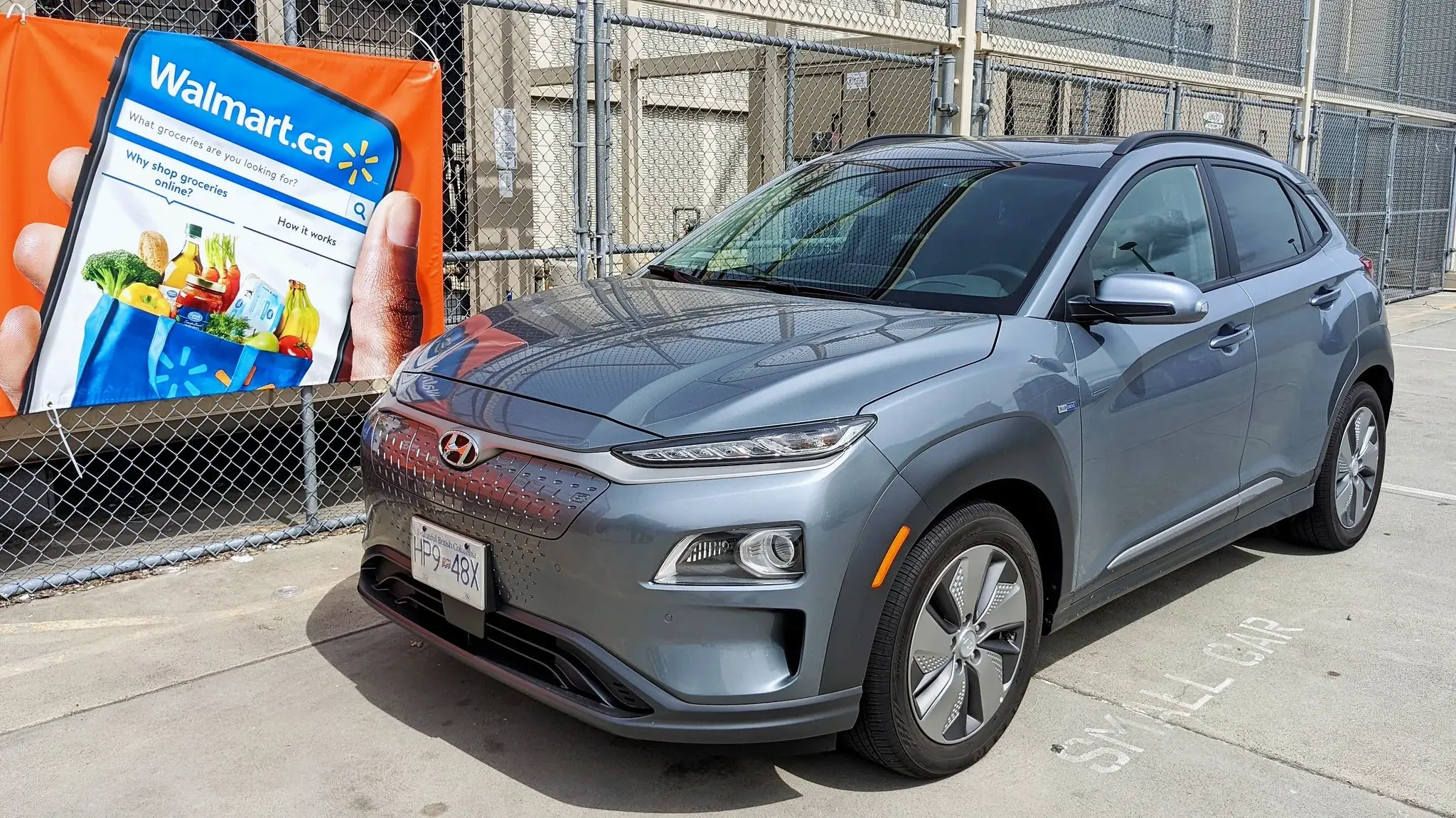
Eco-driving principles are amplified in an EV. The instant torque invites reckless acceleration, but it’s just as wasteful of electrons as it is of gasoline. The regenerative braking system, however, is a game-changer. Mastering one-pedal driving—where lifting off the accelerator provides strong regenerative braking—allows you to recapture kinetic energy and dramatically extend your range through anticipation. In an EV, your goal is to use the friction brakes as little as possible. The efficiency gains from smooth driving are even more visually apparent in an EV’s real-time energy consumption display.
The Bottom Line: It’s a Conscious Practice
Eco-driving isn’t about turning every journey into a grim fuel-economy marathon. It’s about developing a smoother, safer, more relaxed, and more economical driving style. The benefits compound: You save significant money, reduce your emissions meaningfully, experience less wear on your vehicle (brakes, tires, engine), and often arrive less stressed.
I’ve met drivers of powerful sports cars who are masterfully efficient in daily traffic because they understand mechanical sympathy. I’ve met Prius drivers who get worse real-world mileage than a sensible V6 sedan because they drive with no anticipation. The vehicle is a tool. You are the operator. Your carbon footprint behind the wheel is not predetermined by your vehicle’s EPA sticker; it’s carved out by your right foot, your eyes on the horizon, and your willingness to think beyond the next stoplight.
Start with one habit. Maybe it’s checking your tire pressure this weekend. Maybe it’s practicing lifting off the accelerator earlier when you see a red light. Observe the difference. It becomes a satisfying game of efficiency, one that pays you back with every fill-up. That’s a result no sticker can provide.