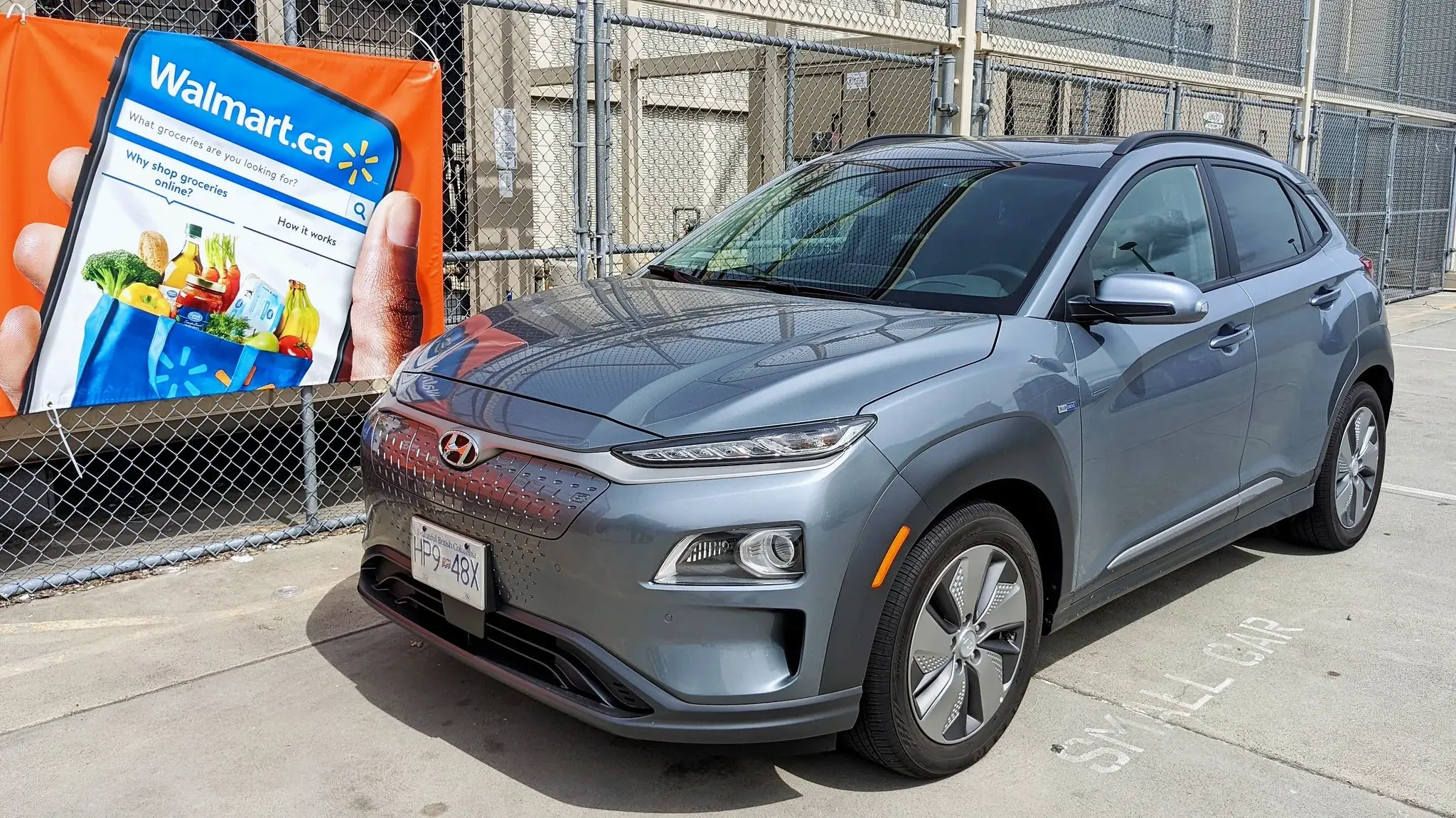
Hybrid or Electric? Cutting Through the Noise to Find the Right Powertrain for You
Let’s start with the question I hear most often from intelligent, curious car buyers: “Should I get a hybrid or go all the way to electric?” It’s almost never asked in a vacuum. It’s loaded with anxiety about range, confusion over new terminology, and a healthy dose of skepticism about whether any of this new technology is truly ready for the real world. Having watched this debate unfold for over a decade, I can tell you the answer is never a simple yes or no. It’s a spectrum of solutions, and the best choice depends entirely on the life you actually live, not the one you imagine or fear.
Forget the marketing hype and the tribal online arguments. The shift from a century of internal combustion is messy, iterative, and fascinating. My goal here isn’t to sell you on one technology, but to give you the framework to sell yourself—or confidently rule out what won’t work. We’ll move from the familiar to the futuristic, explaining not just how these systems function, but what they feel like to own day-to-day.
The Foundational Divide: Energy Onboard vs. Energy from the Grid

This is the single most important concept to grasp, and everything else flows from it. A conventional car carries one energy source: gasoline or diesel. Its engine burns that fuel to create motion, with waste heat as a byproduct.
Hybrids are an evolution of this model. They carry two energy sources: liquid fuel and electricity stored in a battery. The key is that the primary source for the electricity is still the fuel—the system recaptures energy that would otherwise be wasted (through braking, mostly) and uses it to improve the efficiency of the gasoline engine. You never plug it in. The electricity is a clever supplement.
Electric Vehicles (EVs) represent a complete paradigm shift. They carry one energy source: electricity stored in a large battery pack. There is no combustion engine, no fuel tank, no tailpipe. All motive power comes from the grid, via your plug. This simplicity is their genius and, for now, their main logistical hurdle.

Understanding this core distinction—that hybrids are fundamentally gasoline cars with an efficiency booster, while EVs are a different type of machine entirely—is the first step to cutting through the confusion.
The Hybrid Spectrum: From Mild Assist to Near-Electric Driving
Not all hybrids are created equal. They exist on a continuum of electrical capability, and choosing the right point on that continuum is critical. I’ve seen buyers mistakenly buy a mild hybrid expecting plug-in capability, and vice-versa. Let’s define the tiers.

Mild Hybrids: The Silent Helper
Often labeled with badges like MHEV or eAssist, this is the most subtle application. A small battery and motor (usually 48-volt) cannot drive the wheels on their own. Instead, they act as a powerful assistant to the gasoline engine. They seamlessly restart the engine after an auto-stop, provide a brief torque fill during acceleration, and allow for gentle “sailing” with the engine off at steady speeds. The experience? You’ll notice slightly smoother stop-start operation and a modest 1-2 MPG improvement in city driving. It’s a cost-effective efficiency tweak, not a transformative experience.
Full Hybrids: The Seamless Dance
This is the technology most people picture—exemplified by two decades of Toyota Prius dominance. Here, a more powerful electric motor and battery can propel the car at low speeds entirely on electricity (typically up to 25-40 mph for short distances). The gasoline engine and electric motor work in a complex, computer-orchestrated dance. The engine kicks in for hard acceleration, high-speed cruising, or when the battery is low. The magic is in the energy recapture; aggressive braking or coasting charges the battery.
In practice, ownership is brilliantly simple. You drive normally, and the car decides the most efficient mix. You’ll see significant fuel economy gains, especially in urban and suburban stop-and-go traffic. The classic behavior pattern I observe: owners of full hybrids become unconsciously smoother drivers, anticipating stops to maximize regeneration. The payoff is real: consistently achieving EPA estimates or better, with no change to your fueling routine.
Plug-In Hybrids (PHEVs): The Best of Both Worlds… with a Catch
This is the bridge technology. A PHEV has a much larger battery than a full hybrid (allowing for 20-50 miles of electric-only range) and a charging port. You can plug it in overnight. The idea is perfect on paper: commute all week on cheap electricity, then have a gasoline engine for unlimited road trips.
The reality, which I’ve documented repeatedly, hinges entirely on one factor: charging discipline. A PHEV owner who plugs in every night is a revelation, often going months between gas station visits. But a PHEV owner who never plugs in is driving a heavy, inefficient gasoline car. The observed pattern is binary. Successful PHEV owners treat their car like an EV for daily use. If your lifestyle allows for reliable overnight charging (at home or work), a PHEV is arguably the most flexible solution today. If it doesn’t, you’re better off with a simpler, lighter full hybrid.
Electric Vehicles: The Simplified Machine (with Complex Logistics)
An EV’s drivetrain is elegant in its simplicity. A large battery pack powers one or more electric motors, which drive the wheels. There are no gears (in the traditional sense), no oil changes, no spark plugs, and far fewer moving parts to maintain. The driving experience is defined by instant, silent torque and remarkable smoothness.
But owning an EV is less about the drive—which owners universally adore once they try it—and more about rethinking the “refueling” habit of a lifetime. Let’s demystify the key points of anxiety.
Range & “Range Anxiety”: It’s About Routine, Not Maximums
The advertised range (250, 300, 400+ miles) is a headline number, but it’s the wrong metric to fixate on. The relevant question is: Does this range comfortably exceed my daily or weekly driving needs, with a buffer? For over 90% of daily use, even a 250-mile EV is overkill. You charge at home while you sleep, starting each day “full.” The anxiety surfaces on road trips, which is where the public charging network comes in.

The honest observation from the field: road-tripping in an EV requires a different mindset. It’s not “drive until empty, then fill for 5 minutes.” It’s “drive for 2.5-3 hours, stop at a fast charger for 20-30 minutes while you use the restroom and get a coffee, then continue.” For many, this is a welcome break. For others used to marathon 10-hour drives with only brief stops, it’s an adjustment. Your tolerance for this pattern is a key personal filter.
Charging: The Three Tiers
- Level 1 (120V): The standard household outlet. Painfully slow (3-5 miles of range per hour). It’s only viable for plug-in hybrids with small batteries or for EV owners with very short commutes. Most pure EV owners find this insufficient as a primary solution.
- Level 2 (240V): This is the home-charging sweet spot. A dedicated charger, similar to what an electric dryer uses, can add 25-40 miles of range per hour. Installed in your garage or driveway, it makes EV ownership seamless. You plug in when you get home, and by morning, you’re full. This is the non-negotiable foundation for a positive EV experience for most owners.
- DC Fast Charging (DCFC): This is the highway rest stop technology. It can add 100-200+ miles of range in 20-30 minutes. It’s for road trips and top-ups on long days. Crucially, frequent use of the fastest DCFC can accelerate long-term battery wear; the home Level 2 charger is the daily workhorse.
The observed ownership pattern is clear: happy EV owners have reliable, nightly Level 2 access. Stressed EV owners are those reliant on public Level 2 or sporadic fast charging.

Cost Equation: Sticker Shock vs. Total Cost of Ownership
Yes, EVs typically have a higher MSRP. But the calculation doesn’t end there.
- Fueling: Electricity is cheaper per mile than gasoline, often significantly so, especially with home charging.
- Maintenance: No oil changes, no transmission service, fewer brake jobs (thanks to regenerative braking), and fewer mechanical parts. Maintenance costs are objectively lower.
- Incentives: Federal and sometimes state tax credits can directly reduce the purchase price. In practice, for a driver who keeps a car 5+ years and can charge at home, the total cost of ownership often reaches parity with or beats a comparable hybrid or gasoline car, despite the higher sticker price. The math works best for high-mileage drivers.
The Verdict: How to Choose for Your Life
Based on watching thousands of buyers navigate this decision, here is my straightforward, experience-based guidance.

Choose a Full Hybrid if:
- You want significant fuel savings without changing any habits.
- You primarily drive in urban/suburban traffic.
- You take frequent, spontaneous long trips and want the absolute fewest logistical constraints.
- You have no reliable access to overnight parking with an electrical outlet.
Choose a Plug-In Hybrid if:
- You have a predictable daily commute under 40 miles.
- You have guaranteed access to an outlet (at home or work) to plug in every night.
- You still need the flexibility for unlimited, unplanned long-distance travel.
- You want to experience EV-like driving most days but aren’t ready to commit to the full EV ecosystem.
Choose a Full Electric Vehicle if:
- You can install a Level 2 home charger (or have reliable, convenient access to one).
- Your typical daily driving is well within the car’s range, with a comfortable buffer.
- You view occasional road trips as a minor part of your driving, or you’re willing to plan them around the fast-charging network (which is improving rapidly).
- You are drawn to the reduced maintenance, smooth performance, and the idea of disconnecting from the gas station for good.
The trajectory is undeniable: the industry is marching toward electrification. But we are in a long transition period. For the next decade, hybrids—particularly plug-in hybrids—will serve as the essential “training wheels” for our charging infrastructure and our own habits. They ease the anxiety of change.
The most common mistake I see is not technical, but psychological: buying for the 5% use case. Don’t reject an EV because you take one annual 500-mile road trip. Don’t buy a massive battery SUV for a 10-mile daily commute. Analyze your actual, regular driving life. Match the technology to your dominant pattern, not your edge-case fears. The right choice is the one you’ll use optimally, not the one with the most impressive spec sheet. That’s the insight that comes not from reading brochures, but from watching what actually works, for real people, on real roads.