The Unspoken Truth About Your Car Insurance Bill: What Really Moves the Needle (And What You Can Do About It)
For decades, car insurance has felt like a financial weather system—opaque, unpredictable, and largely out of your control. You get your renewal notice, maybe wince, pay it, and move on. But after years of talking to agents, underwriters, and thousands of car owners, I can tell you this: while the system is complex, it is not a mystery. The levers that control your rate are specific, measurable, and, in many cases, influenceable. The biggest mistake I see? Drivers treating their premium as a fixed cost, like a tax. It’s not. It’s a dynamic scorecard of your risk profile, and you have more say in it than you think.
Let’s cut through the generic advice and look at what truly matters, in order of impact, and the real-world actions that can change your bill.
The Unforgiving Ledger: Your Driving Record

This is the non-negotiable. Insurance is a promise to pay for mistakes. Your driving record is the single most direct report card on how likely you are to trigger that promise.
In practice, insurers see tickets and at-fault accidents as predictive data points, not one-time lapses. A single moving violation might feel minor to you, but to an algorithm, it’s a signal. Multiple signals form a pattern. I’ve seen clean records of 15 years shattered by one at-fault fender-bender, with premiums climbing 30% or more for the next three to five years. DUIs? They’re in a catastrophic league of their own, often doubling rates or leading to outright non-renewal.
How to Control It: The strategy here is brutally simple: don’t have at-fault incidents. Defensive driving isn’t just a slogan; it’s a financial plan. If you do get a minor ticket, look into your state’s options for traffic school to potentially keep it off your record. This isn’t about gaming the system; it’s about using the tools available to correct a small error before it becomes a long-term financial penalty.

The Machine You Choose: Your Vehicle
Your car isn’t just a purchase; it’s an underwriting variable. Collision and comprehensive coverage are directly tied to its value, repair cost, and theft desirability. This is where emotion and finance often clash.
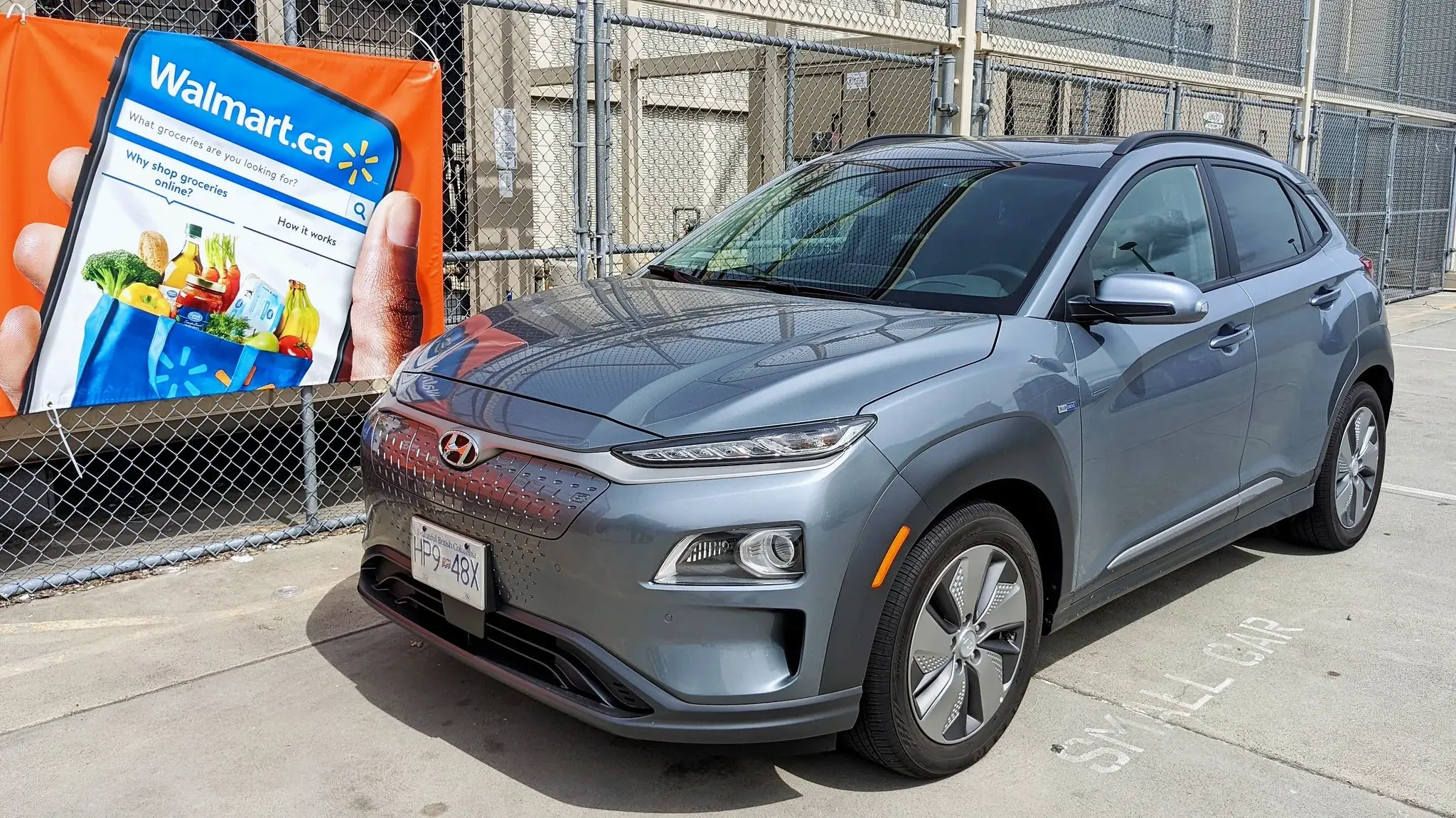
Owners typically make two mistakes. First, they assume “safe” family cars are always cheap to insure. Not necessarily. A mid-size SUV with a high crash test rating might also have expensive sensor-laden bumpers that cost $5,000 to replace. Second, they underestimate the insurance cost of “affordable” performance. A used sports coupe might be a bargain to buy but a fortune to cover because of the loss history associated with its driver profile.

How to Control It: Before you fall in love with a model, do the homework. Get insurance quotes before you buy. High-theft vehicles, those with poor repair histories, and luxury brands with costly proprietary parts will cost you monthly. Often, the sweet spot is a mainstream, mid-range vehicle with high safety scores and a broad parts supply. It’s less exciting, but your wallet will thank you every six months.
The Statistical You: Age, Location, and Credit-Based Insurance Score
This is the category that feels most unfair, because it’s about demographics. But insurance is built on group risk.

- Age: Inexperienced drivers (under 25) pay dearly. I’ve seen policies for teen drivers that cost more than the car payment. Conversely, rates generally improve with maturity until very advanced age, where reaction times become a statistic.
- Location: A dense urban zip code with high traffic, accident rates, and vandalism will always cost more than a quiet suburban or rural one. There’s no fighting the zip code curve.
- Credit-Based Insurance Score: This is the most misunderstood factor. In most states, insurers use a proprietary score derived from your credit report. The data is clear: there’s a strong correlation between financial responsibility and claim frequency. People who manage money well tend to drive more carefully. It’s not about wealth; it’s about patterns of behavior.
How to Control It:
- For Young Drivers: The only way out is through. Good student discounts (which require a B average or better) are one of the most powerful, underutilized tools. It’s a tangible way to prove lower risk. Also, consider a safer, less flashy car for the teen driver.
- For Location: If you’re moving, factor insurance costs into your decision. A move across town into a zip code with lower claim frequency can yield real savings.
- For Credit Score: This is a long game, but it pays massive dividends. Pay bills on time, keep credit card balances low, and avoid constantly opening new credit lines. Monitor your credit report for errors. Improving your financial health improves your insurance score.
The Coverage You Carry: Your Deductible and Limits

This is the most direct control you have on your bill, yet I find most people set it once and forget it for a decade.
Raising your comprehensive and collision deductible from $250 to $1,000 can slash that portion of your premium by 15% or more. But this is a trade-off: you’re betting you won’t have a claim and are willing to pay more out-of-pocket if you do. Similarly, carrying only state-minimum liability limits is cheaper upfront but is financial Russian roulette. An at-fault serious accident can lead to judgments far beyond minimal limits, putting your savings and assets at risk.
How to Control It: Conduct an annual insurance audit. As your car ages and its value drops, ask: does it still make sense to carry collision coverage? If your emergency fund has grown, can you comfortably afford a higher deductible? Conversely, as your net worth grows, you should increase your liability limits. The goal is to balance premium cost with smart financial protection.

The Discounts You’re (Probably) Missing
Insurers offer a menu of discounts, but they rarely apply them automatically. It’s on you to ask and qualify.
The common ones—multi-car, bundling with home insurance—are well-known. The ones owners typically miss are more nuanced:
- Low-Mileage Discounts: If you’ve shifted to remote work or your commute has vanished, you must report it. Pay-per-mile programs are also becoming a viable option for low-use drivers.
- Usage-Based Discounts: Telematics programs (like a plug-in device or mobile app that monitors driving) can be a huge win for safe, consistent drivers. If you avoid hard braking, speed, and drive mostly during daylight, you can earn a significant discount. But be warned: if your driving is aggressive, it could backfire.
- Professional & Affiliation Discounts: Certain professions (engineers, teachers, scientists) and alumni or organization memberships can sometimes trigger savings.

The Loyalty Trap: Staying Put Too Long
This may be my most controversial take, but the evidence is overwhelming: automatic renewal is a wealth killer. The industry banking on inertia is not a conspiracy theory; it’s a business model.
I’ve seen identical coverage quotes for the same driver and car vary by over $800 annually between carriers. The “loyalty discount” you think you’re getting is often eclipsed by the “new customer discount” your current company is offering to someone else.
How to Control It: Shop around. Every. Two. Years. Mark it on your calendar. Get competitive quotes from at least three carriers. Use this not necessarily to switch every time, but as leverage. Call your current insurer, quote the better rate, and ask them to match or explain the discrepancy. Often, they can find “new” discounts you weren’t receiving. If they can’t or won’t, be prepared to move. Loyalty in insurance is rarely rewarded unless you actively enforce it.
The Bottom Line: Take the Wheel
Your car insurance rate is not a fate to be accepted. It is the output of a formula. You can’t change every input, but you can change enough to make a profound difference. Stop viewing it as a passive bill. Start viewing it as an annual or biannual negotiation—one based on the concrete factors of what you drive, how you drive, where you drive, and how you choose to cover yourself.
The call to action is simple: This week, pull your policy declaration page. Understand every line item, every discount, and every deductible. Then, get two comparison quotes. That single hour of effort is likely the highest hourly wage “work” you’ll do all year. In the world of auto finance, knowledge isn’t just power—it’s a lower monthly payment.