The Unstoppable Forces Reshaping Your Next Car: How Global Trends Are Redefining the Market
I’ve watched car buyers walk into dealerships for decades, clutching their lists of wants: horsepower, leather seats, the right color. Today, that list is fundamentally different. The decisions aren’t just about personal preference anymore; they’re being shaped by tectonic global shifts that no manufacturer—and no buyer—can ignore. This isn't speculation about the future; it’s observation of the present. The car market is no longer a collection of regional preferences; it's a single, interconnected organism reacting to worldwide currents. From what powers the drivetrain to who actually holds the title, everything is up for grabs. Let’s cut through the noise and look at the concrete, observable forces dictating what will be in your driveway.
The Electric Imperative: More Than Just an Engine Swap
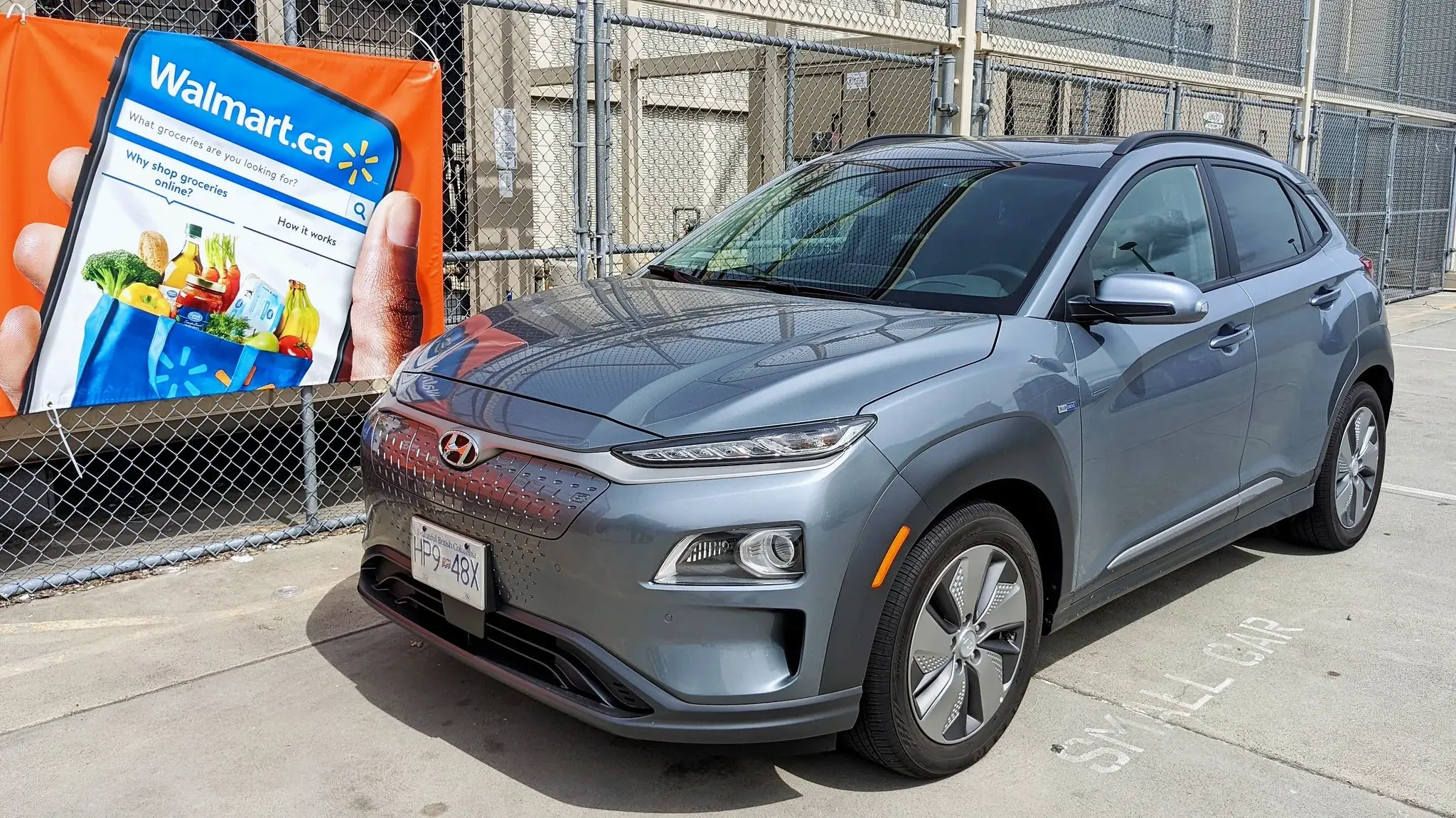
Let's start with the most visible shift: electrification. This is not a niche trend for early adopters anymore. I've seen the conversation change in real time. Five years ago, buyers asked about range with a hint of anxiety. Today, they ask about charging speed and home installation logistics as practical, solvable problems. The trend isn't driven solely by environmental consciousness—that’s part of it—but by a powerful convergence of policy, technology, and sheer performance.
Governments worldwide are setting hard deadlines, creating a regulatory cliff that every automaker is racing toward. This has triggered a cascade of investment that is now yielding tangible results. The real-world effect? The used market is beginning to stratify. I'm already observing a growing caution around non-hybrid internal combustion engines in certain segments, as buyers anticipate future resale value and potential access restrictions in urban centers. Electrification is no longer a "powertrain option"; it's becoming the default architecture for new models, with combustion engines increasingly positioned as the alternative. This flip is happening faster than most traditionalists anticipated.
The Software-Defined Vehicle: Your Car is Now a Computer on Wheels
If the shift to electric is changing the car's heart, the infusion of connectivity and software is transforming its brain. We've moved well past basic infotainment. The most significant trend I'm tracking is the rise of the software-defined vehicle. In practice, this means the car you buy today could gain new features, improve its performance, or even extend its range via an over-the-air update next Tuesday.
This creates a fascinating new dynamic in ownership. The relationship between driver and manufacturer no longer ends at the dealership door; it becomes a continuous, ongoing dialogue. I’ve seen owners delight in receiving unexpected new functionality, but I’ve also observed the growing pains: subscription models for features already embedded in the hardware (heated seats, advanced driver aids) are a point of genuine friction. This trend is pushing automakers to think like tech companies, prioritizing user experience and software stability alongside traditional metrics like horsepower and fit-and-finish. The car is evolving from a product you own to a platform you use.
The Autonomous Ascent: A Gradual Climb, Not a Sudden Leap
Talk of self-driving cars has been plagued by hype cycles. The reality on the ground is more gradual, but no less transformative. Fully autonomous vehicles for personal ownership remain a horizon line. The tangible trend is the relentless, step-by-step integration of Advanced Driver Assistance Systems (ADAS).
What does this look like in daily use? It's the widespread adoption of adaptive cruise control that works smoothly in traffic, lane-keeping assists that reduce highway fatigue, and automatic emergency braking that has become a non-negotiable safety expectation. These features are becoming standard because consumers now demand them, and because global safety ratings (like Euro NCAP) heavily incentivize them. This incremental approach is building the technological and regulatory framework for higher levels of automation, while delivering immediate value. The car is becoming a cooperative partner in the driving task, and that relationship is being forged one software update and one highway commute at a time.
The Reconfiguration of "Ownership"
Perhaps the most profound shift is in our relationship with the car itself. The model of individual, outright ownership is being robustly challenged by a spectrum of alternatives. This is especially pronounced in dense urban centers globally, where the total cost of ownership—purchase price, insurance, parking, depreciation—is causing a pragmatic rethink.
In practice, I see three models gaining serious traction:
- Subscription Services: All-inclusive monthly fees covering the car, insurance, maintenance, and swaps. It’s appealing for those who want a simple, predictable cost and the flexibility to change vehicles.
- Fractional Ownership: High-end models shared among a small, vetted group, making exotic or luxury vehicles accessible without the full burden.
- The Blurring of Leasing: Traditional leasing is morphing, with more flexible terms and the potential to bundle insurance and care packages, making it behave more like a long-term subscription.
This trend isn't about killing ownership; it's about providing the right financial tool for the right need. For many, especially younger generations in cities, access is becoming more important than title.

Supply Chain Realities: From "Just-in-Time" to "Just-in-Case"
The pandemic laid bare the fragility of globalized, just-in-time manufacturing. The chip shortage wasn't a blip; it was a stress test that revealed a permanent vulnerability. The trend I'm observing now is a strategic move toward regionalization and redundancy.
Automakers are fundamentally reevaluating their supply chains. This means sourcing critical components (especially semiconductors and battery materials) from multiple, politically stable regions, and often bringing more production closer to home markets. The observable impact? Reduced model variety and longer wait times for specific configurations as companies simplify production to ensure reliability. The era of limitless customization may be giving way to a new era of resilient, predictable supply. This trend, while invisible on the showroom floor, directly determines which cars are available for you to buy and how long you'll wait for them.
Sustainability as a Core Metric
Sustainability has evolved from a marketing bullet point to a core engineering and material science parameter. This goes far beyond the tailpipe. Buyers are increasingly conscious of the entire lifecycle—from how the aluminum is sourced and the electricity that charges the battery is generated, to what happens to the battery pack at end-of-life.
In response, I'm seeing a surge in the use of recycled materials: plastics from ocean waste, upholstery from recycled bottles, and carbon-neutral production facilities. This isn't just greenwashing; it's becoming a competitive necessity and a point of brand differentiation. The most forward-thinking companies are designing for circularity from the start, planning for disassembly and material recovery. In the showroom of the near future, a car's environmental passport will be as scrutinized as its fuel economy.
So, what does this mean for you, the person simply looking for a good car? It means your next purchase decision will be one of the most complex you’ve ever made, but also one of the most consequential for your daily life. You're not just choosing a vehicle; you're choosing a technology platform, an energy ecosystem, and a type of financial relationship.
The successful buyer will look past the sheet metal. Ask not just about horsepower, but about software update policies and battery degradation warranties. Consider not just the purchase price, but the total cost of access, including potential subscription fees for key features. Evaluate the manufacturer's roadmap for autonomy and their commitment to sustainable supply chains. The trends are clear, they are global, and they are unstoppable. The cars that feel relevant and valuable five years from now will be those designed within these new realities. Your job is to see the vehicle not for what it is today, but for the evolving platform it is built to become. Choose accordingly.