How to Identify Value in the Car Market: Depreciation and Appreciation
What if I told you that the majority of new cars are financial liabilities from the moment you drive them off the lot, while a select few can become genuine assets? This isn’t speculation; it’s the fundamental reality of the automotive market I’ve observed for decades. Most buyers focus solely on the sticker price, but the true cost—or opportunity—is found in the vehicle’s trajectory after purchase. Understanding the forces of depreciation and the rare phenomenon of appreciation isn't just for collectors; it’s the key to making an informed decision, whether you’re seeking reliable transportation or a potential investment.
Let’s strip away the myths and look at the concrete patterns that separate money-losers from value-holders.
The Inevitable Gravity of Depreciation

First, accept this universal truth: depreciation is the single largest cost of new car ownership for most people. It’s not fuel, insurance, or maintenance. It’s the silent, steady erosion of capital. The standard curve is brutal and predictable: a new vehicle typically sheds 20-30% of its value in the first year and about 50% by the end of year three. This isn't a guess; it's a pattern I’ve tracked across auction results, classified ads, and dealer wholesale sheets for years.
Why does this happen? It’s driven by a combination of psychology and market mechanics. A "new" car becomes "used" the moment it’s titled. The original buyer absorbs the immediate cost of dealer markup, destination fees, and that intangible "new-car smell" premium. The market perceives this first ownership period as the period of greatest risk—was the car broken in properly? Is there hidden damage? This perception creates a steep initial cliff.
In practice, I’ve seen families lose tens of thousands of dollars by following a cycle of buying new and trading in every five years. They’re not just paying for transportation; they’re perpetually paying that first-year depreciation penalty over and over. The vehicle is a consumable product, not a store of value.

The Rare Exception: When Cars Appreciate
Now, let’s talk about the exception that proves the rule. Appreciation is not magic. It’s a predictable outcome of specific, converging factors. These cars transcend their role as appliances and become artifacts. The key is that appreciation is almost never the manufacturer’s intent; it’s a market verdict delivered years later.
I’ve identified consistent patterns in vehicles that buck the depreciation trend:
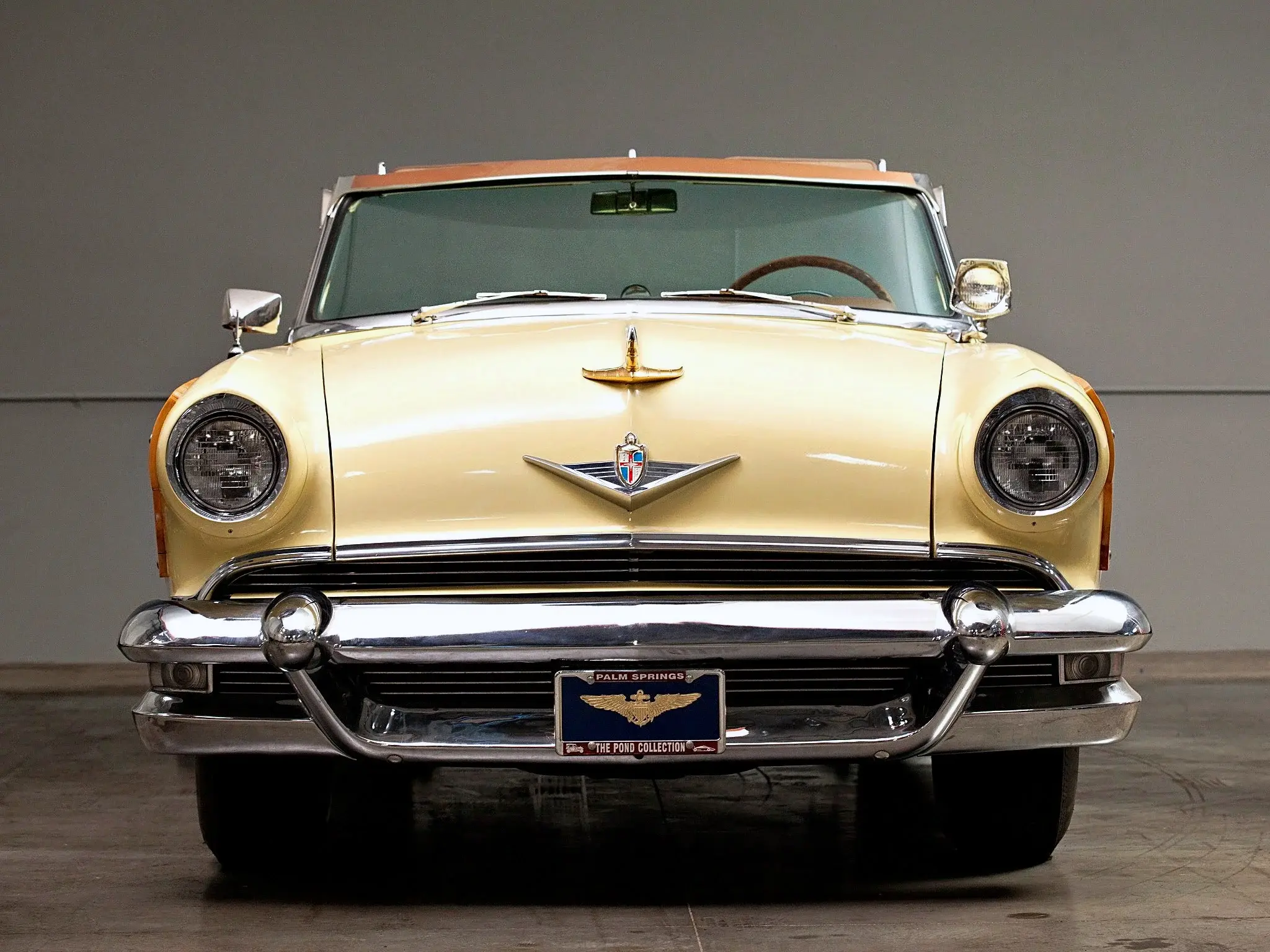
1. The "Last of Its Kind" Phenomenon: When a model, especially an iconic one, is announced for discontinuation or radical change (like the move from naturally aspirated engines to turbocharging, or from manual to automatic-only transmissions), the final production runs often hold value exceptionally well. Enthusiasts and collectors recognize the end of an era and secure examples, creating immediate and sustained demand.
2. The Low-Production Benchmark: Limited supply is a basic economic principle. Special edition models, homologation specials built for racing, or even just unusually configured cars (like a full-size truck with a rare, maximum-performance engine option) have a built-in scarcity. I’ve watched cars produced in the thousands outpace the value retention of those produced in the millions, even from the same brand.
3. The Cult of the Driver's Car: This is about pure, unfiltered experience. Vehicles celebrated for their driver engagement—particularly with manual transmissions, communicative steering, and balanced chassis—develop a devoted following. As new cars become more insulated, automated, and homogenized, these older analog experiences become rarer and more coveted. Their value isn't in luxury features; it's in the purity of the driving experience.
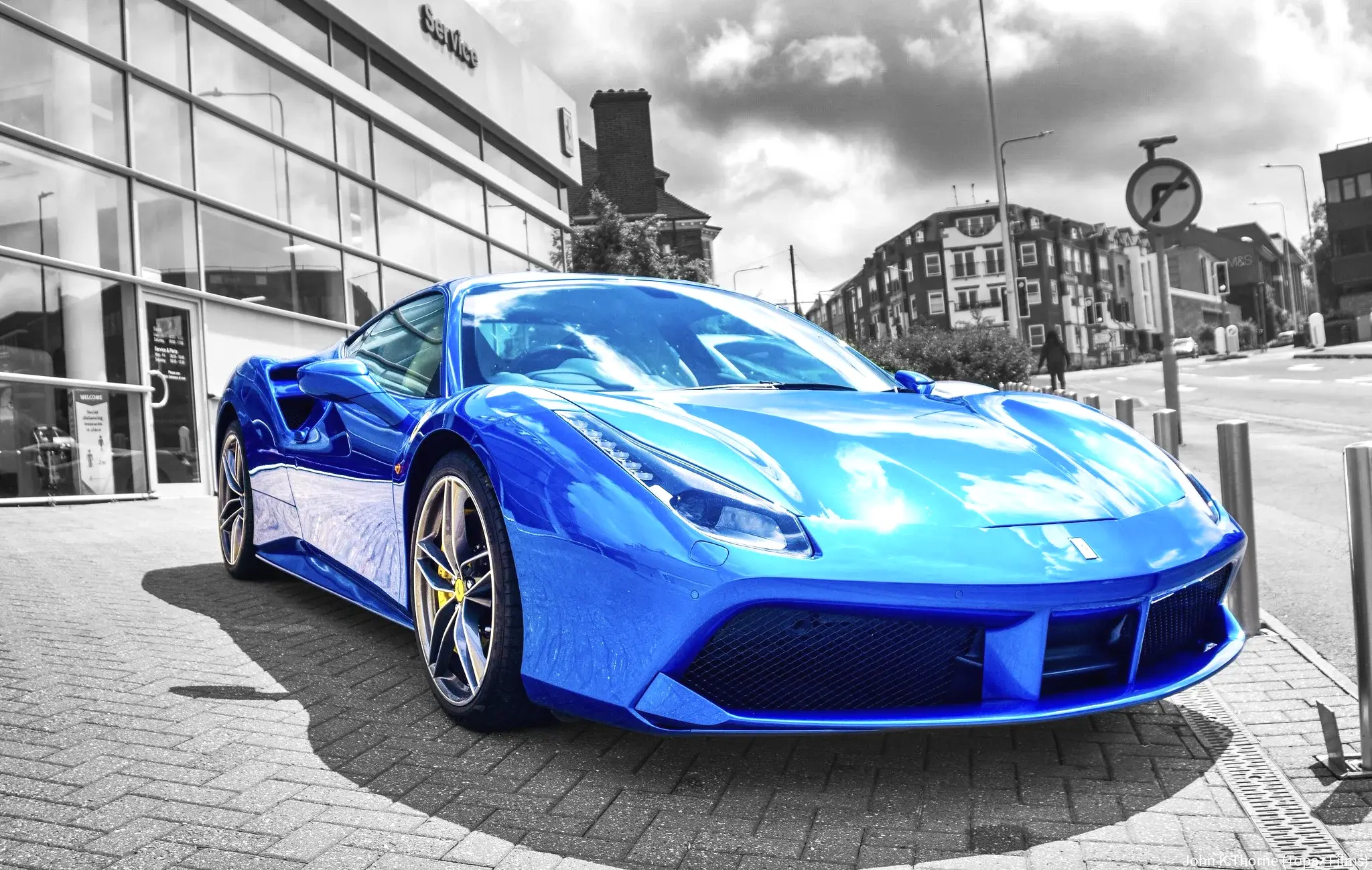
4. The Well-Preserved Time Capsule: Appreciation favors the pristine. A bone-stock, low-mileage example with verifiable service history and no modifications will always command a massive premium over a modified or worn example of the same model. The market for collector cars isn't buying a car to drive daily; it’s buying a piece of preserved history. I’ve seen two identical models from the same year sell at auction with a 300% price difference solely due to condition and provenance.
How to Spot Future Value Holders (and Avoid Depreciation Traps)
This is where observational knowledge becomes practical. You can apply these lenses to your own purchasing decisions.
Look Beyond the Brochure: Emotional marketing drives initial sales, but rational, long-term factors drive value retention. Consider maintenance costs, parts availability, and the strength of the enthusiast community. A car with a dedicated owner's forum, active aftermarket support, and specialist mechanics is a strong candidate for better-than-average value retention. These communities sustain demand long after production ends.
The Luxury Trap: This is one of the most consistent mistakes I witness. Buyers assume a high initial price equates to better value retention. The opposite is often true. Mainstream luxury sedans and SUVs, especially those from German manufacturers, are frequently leased in high volume. After three years, a flood of identical off-lease vehicles hits the market, cratering resale values. The depreciation on a $80,000 luxury sedan can be absolute dollars greater than on a $30,000 mainstream sedan. You’re paying more to lose more.
The "Sweet Spot" of Used Value: For the purely pragmatic buyer seeking to minimize loss, the most rational play is to let someone else take the biggest hit. Targeting a 2-3 year old vehicle means you sidestep that brutal first-year cliff. The car is still modern, likely under warranty, but you’ve bought into a much flatter part of the depreciation curve. You’re buying an asset that has already been de-risked by the first owner.

Specification is Destiny: Two seemingly identical models can have wildly different futures. Take a common sports coupe. The base model with an automatic transmission will follow a standard depreciation path. The fully-loaded variant with a manual transmission and performance package might depreciate slower, or even appreciate, because it represents the most desirable specification for the enthusiast core that will sustain long-term demand. Always buy the best driver-focused spec you can afford, not just the most feature-focused one.
A Practical Framework for Your Next Purchase
So, how do you use this information? Before you shop, define your goal.

-
If Your Goal is Pure Financial Prudence: You are buying transportation. Your strategy is to minimize total cost of ownership. Target that 2-3 year old "sweet spot" from a reliable brand, with a popular-enough configuration to ensure easy resale later. Ignore fleeting trends. Prioritize documented service history over low mileage alone. You are managing depreciation, not beating it.
-
If Your Goal is an Engaging Ownership Experience with Good Value Retention: You are buying a desirable vehicle. Focus on the patterns of appreciation. Is it a driver's car? Is it a special edition? Is it the last of a beloved lineage? Buy the best, most original, and best-documented example you can possibly afford—even if it seems expensive upfront. In this segment, condition and provenance are everything. Be prepared to maintain it meticulously, not just drive it.
-
If You're Just Trying to Avoid Catastrophic Loss: Simply steer clear of the worst offenders. These are typically vehicles with known costly reliability issues, terrible safety ratings, or those that are simply unfashionable and unwanted. They depreciate quickly and are hard to sell. A quick look at five-year-old values on any automotive pricing website will show you the cliff-divers.
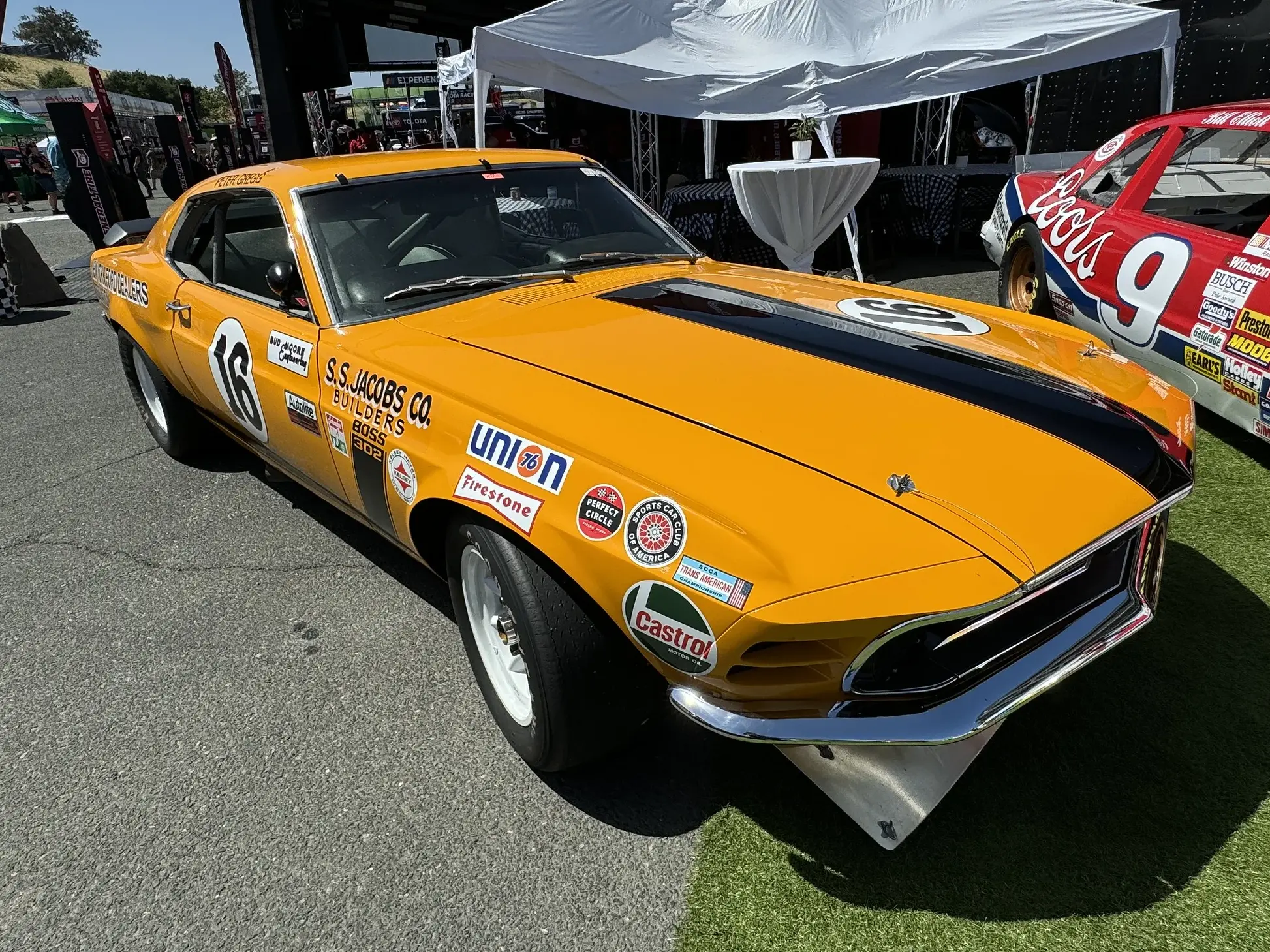
The Mindset Shift: From Consumption to Stewardship
Ultimately, identifying value requires a fundamental shift in how you view a car. The mass market teaches us to see vehicles as disposable consumables, to be swapped when bored or when the next new thing arrives.
The value-conscious buyer—whether pragmatic or passionate—sees things differently. The pragmatic buyer sees a durable good whose cost should be optimized. The enthusiast buyer sees a potential classic, an artifact worthy of preservation. Both are forms of stewardship. One stewards capital, the other stewards automotive culture. Both are reacting intelligently to the powerful market forces of depreciation and appreciation.
The next time you evaluate a vehicle, don't just ask what it costs today. Ask the more important question: "What will the market think this is worth in five years?" The answer, informed by the patterns of what has come before, will tell you everything you need to know about where true value lies.