Do You Own a Car or an Expense?
It’s a question that reveals everything. Most of us see our cars as appliances for transportation, a necessary financial drain. But if you view that vehicle as an asset—one that can retain a meaningful portion of its value—your entire relationship with it changes. You stop thinking about monthly payments and start thinking about the final transaction, years down the line, when someone hands you a check for the machine you’ve stewarded.
Maintaining resale value isn’t about obsessive pampering; it’s about disciplined, strategic ownership. It’s the difference between watching your investment dissolve into thin air and being rewarded for foresight. Over two decades of watching cars roll across auction blocks, through trade-in lanes, and into private sale driveways, I’ve seen the same patterns play out. The owners who get top dollar aren’t lucky. They follow a set of non-negotiable principles. Let’s talk about what they are.
The Foundation: Documentation is King
You can tell me your car is perfect. The dealer’s sales manager can nod along. But without proof, it’s just a story. In the world of resale, a story is a liability. A documented history is an asset you can literally price.
I’ve seen two identical five-year-old sedans side-by-side. One fetches $3,000 more. The difference? A single, thick folder in the glovebox. Not just oil change receipts, but a narrative of care. The winning folder has every service record, even the minor ones, on time or early, performed at reputable shops (often the dealer for the warranty period). It has notes for tire rotations, cabin air filter changes, and a receipt for that one warranty repair. It shows the owner was paying attention.
The Practical Protocol: From day one, create a physical and digital file. Use a dedicated app or a simple cloud folder. Every time service is performed, scan the receipt and the work order detailing what was done and the mileage. This isn’t pedantry; it’s building a case for your car’s excellence. A prospective buyer isn’t buying the car; they’re buying the certainty that comes with that file.
Mileage: The Unforgiving Clock
Everyone knows lower mileage is better. But the relationship between mileage and value isn’t linear; it’s psychological. There are cliff edges. The moment a car’s odometer clicks over a major milestone—60k, 75k, 100k miles—its market categorization shifts in the buyer’s mind. It moves from “low-mileage example” to “average mileage” to “higher-mileage car,” regardless of condition.
The goal isn’t to never drive your car. It’s to be strategic about how those miles accumulate. One owner commuting 100 miles a day of gentle highway cruising will, in practice, often preserve a car better than an owner putting half that mileage on in daily stop-and-start city grinds. But the market sees the number first. If you have a choice of vehicles for a long trip, taking the newer one is often a financial misstep.
Cosmetic Preservation: The First Impression is the Only Impression
A buyer decides within 30 seconds of seeing your car if they’re interested. You never get a second chance at that first impression. This is where most owners fail catastrophically, and their wallets feel it later.
Interior: This is the space the next owner will inhabit. It’s personal. A stained seat, a cracked dashboard from years of sun exposure, or the faint smell of old coffee and pets is a deal-killer. I’ve watched buyers walk away from mechanically sound cars over a single cigarette burn or a heavily worn driver’s seat bolster. The solution is relentless prevention.
- Use high-quality floor mats (all-weather or fabric) from day one. Store the pristine originals.
- Implement a no-eating policy for the driver. Passengers, be tidy.
- Clean and condition leather and vinyl surfaces quarterly. A $20 bottle of conditioner is insurance against thousands in value loss.
- Use a sunshade. Every single time. Dashboard and leather cracking is a pure sign of neglect.
Exterior: Paint is a wear item, but it shouldn’t look like it. Swirl marks from automatic car washes, rock chips on the leading edge of the hood, and scratched bumpers from careless parking tell a story of indifference.
- Hand-wash only, using the two-bucket method. Automatic brushes are paint annihilators.
- Invest in paint protection film (PPF) for the front bumper, hood, and mirrors on a new car. It’s the single most effective cosmetic investment you can make.
- Fix small chips and scratches immediately with a professional touch-up. A 2mm chip becomes a 2cm rust spot in a few years.
Mechanical Sympathy: Drive Like There’s a Buyer in the Passenger Seat

How you operate the machine matters. The car’s computer often remembers. Modern vehicles log parameters like over-rev events, maximum engine temperature, and hard braking. While a private buyer might not see this, a dealer’s technician can, and it colors their appraisal.
- Warm it up gently. Don’t hammer the throttle with a cold engine. Drive moderately until the temperature gauge is normalized.
- Cool it down. After sustained hard driving (like off a highway), let the turbo or engine idle for a minute before shutting it off.
- Avoid chronic short trips. Engines never reach full operating temperature, leading to fuel dilution in the oil and excessive internal wear. If your life is a series of 2-mile trips, schedule longer drives weekly to let the systems fully heat and breathe.
Modification: The Value Vortex
This is the hill I will die on: Modifications almost universally destroy resale value. The enthusiast community will howl, but the market doesn’t lie. I have watched modified cars—even expensive, “tasteful” ones—languish on the market while stock examples sell in days.
Here’s the brutal truth: Your perfect lowering springs, exhaust, and custom tune represent your specific taste. The next buyer sees compromised ride quality, potential legality issues, and unknown stress on drivetrain components. They see risk. Risk is discounted with dollars. Even “performance” mods rarely return a fraction of their cost. Keep every single original part. If you must modify, plan to return the car to stock before selling. The stock, unmolested car appeals to the widest possible audience, and that’s where the money is.
Timing the Market: The Art of the Exit

You can do everything right and still lose money by selling at the wrong time. Depreciation is fastest in the first three years, then curves gradually. The sweet spot for maximizing value versus cost of ownership is often between the 4th and 6th year. You’ve absorbed the steepest drop, but the car isn’t yet facing major age-related repairs.
Sell before the big-ticket service. If the timing belt/water pump service is due at 90,000 miles, sell at 85,000. That looming $1,200 service is a bargaining chip you’re handing to the buyer. Similarly, sell with fresh tires and brakes. A car needing $1,500 in immediate wear-item work will be discounted more than $1,500 because the buyer now questions what else you’ve deferred.
The Professional Preparation: The Final Polish
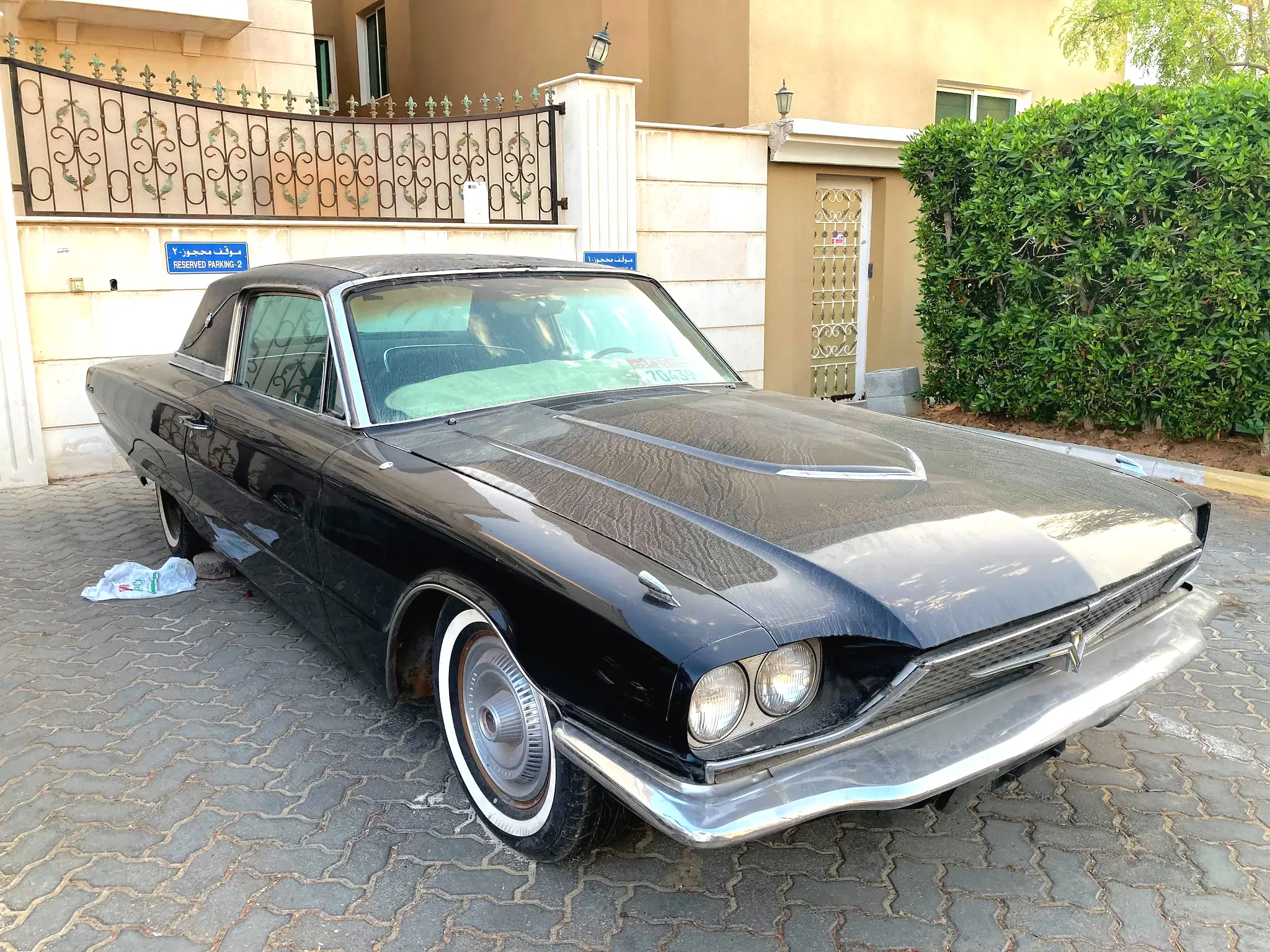
When it’s time to sell, your work culminates in a professional-grade detail. This isn’t a $30 wash-and-vac. Hire a professional detailer for a full interior and exterior service. They will extract stains you’ve forgotten, polish out minor swirls, and make the engine bay presentable. This $300-$500 investment consistently returns $1,500-$2,000 on the sale price. It transforms your car from “used” to “previously owned.” It’s the final, critical step in presenting your asset as something worthy of a premium.
The Mindset is Everything
At its core, maintaining value is a mindset of stewardship. You are not just a user; you are a temporary curator of a complex, valuable tool. The owners who understand this treat their cars not with anxiety, but with respectful diligence. They enjoy the vehicle while subtly, consistently defending its worth.
When you finally stand across from that serious buyer, or hand the keys to the dealer’s appraiser, you won’t need to say a word. The mileage, the condition, and that thick, well-ordered file will speak for you. They will tell the story of an owner who understood the assignment. And in the end, that story is what gets you paid.