How to Stay Informed About Automotive Innovations and Trends Without Drowning in the Noise
I’ve watched it happen a hundred times. A buyer walks into a dealership, proud of the “research” they’ve done, only to discover the technology they’re excited about is already two cycles old, or the “revolutionary” trend they heard about is pure marketing vaporware. In our hyper-connected age, the problem isn’t a lack of information—it’s a tsunami of it. Staying truly informed is no longer about consuming everything; it’s about building a smart, sustainable filtering system. Based on two decades of watching enthusiasts, industry insiders, and everyday owners navigate this, I can tell you that the successful ones don’t just read more. They read smarter.
Here’s how to build your own information pipeline, separate the signals from the noise, and actually understand where the automotive world is headed.
Start with the Foundation: Core Industry Reporting
Forget flashy YouTube thumbnails and social media hot takes for a moment. Your bedrock should be the trade and serious consumer journalism that reports on the business of cars. This is where trends are born, not where they are hyped.
Read the Trades: Publications like Automotive News, WardsAuto, and SAE International magazines are essential. They cover supplier contracts, manufacturing shifts, executive appointments, and regulatory changes. You won’t find many 0-60 tests here. Instead, you’ll learn that a major battery supplier just signed a deal with three OEMs, signaling a real shift in EV chemistry, or that safety regulators are focusing intently on a specific driver-assist flaw. This intelligence gives you a 12- to 24-month heads-up on what will eventually hit the showroom. In practice, the owners who knew about the chip shortage before it crippled inventories were the ones reading these sources.
Cultivate a Shortlist of Analytical Journalists: Every industry has its truth-tellers—writers whose analysis consistently proves prescient. Find them. They are often at outlets like Reuters, The Wall Street Journal (Lillian Tong’s team is excellent), Bloomberg, and dedicated verticals within major newspapers. Their job isn’t to sell you a car; it’s to explain the capital, political, and engineering forces shaping them. When they write about the "real-world costs of solid-state batteries" or "the stalled rollout of Vehicle-to-Grid technology," pay attention. This is the context that turns a press release into a comprehensible data point.
Embrace Experiential and Technical Deep Dives
Once you have the strategic context, you need to understand the innovations themselves. This is where the enthusiast press and technical deep dives come in, but you must choose wisely.
Prioritize Engineering-First Outlets: Seek out channels and publications where hosts and writers have engineering credentials. Think Engineering Explained on YouTube, the deep-dive podcasts from SAE, or the technical articles in Road & Track (when they lean into it). They explain how things work—torque vectoring, thermal management in EVs, the difference between LiDAR and radar. This knowledge is your bullshit detector. When a salesman breathlessly describes a new feature, you’ll know if it’s a legitimate evolution or a repackaged old idea.
Use Auto Shows and Dealer Talks Strategically: The days of the static auto show are not entirely gone; they’ve evolved. Go to major shows (like a NAIAS or LA Auto Show) not to sit in every car, but to see the concept vehicles and talk to the product specialists. These specialists, not salespeople, are engineers and trainers. Ask specific, technical questions: “How does this new infotainment system handle over-the-air updates differently?” or “What’s the claimed degradation curve for this battery?” Their answers, and what they avoid, are incredibly revealing. At the dealer level, ask to speak to the "technology guru" or product trainer when a new model arrives. They often have deeper, unfiltered insights from factory training.
Navigate the Social Media Minefield with Discipline
Social media is simultaneously the best and worst source of automotive information. Unfiltered, it’s a carnival of hype, disinformation, and tribal warfare. Properly curated, it’s an invaluable real-time pulse.
Curate, Don’t Just Consume: Your feed should not be an algorithmically driven mess. Actively build lists.
- Follow Leading Engineers and Designers: Many top automotive engineers, designers, and product planners are on LinkedIn and, increasingly, platforms like X (Twitter). They share insights, technical papers, and thoughtful commentary that never makes a press release.
- Identify Quality Enthusiast Communities: Specific forums (like for a particular EV platform) or subreddits moderated for technical discussion are goldmines for real-world, long-term ownership trends. The problems owners report at 50,000 miles are more telling than any journalist’s three-day review. Look for patterns in complaints and praises.
- Be Ruthless with Reviewers: For every one credible reviewer, there are fifty entertainers. The credible ones consistently focus on the vehicle—its packaging, its daily usability, its engineering compromises. The entertainers focus on themselves—the drifts, the jokes, the outrage. Unsubscribe from the latter. They teach you nothing.
Understand the Incentives: Every social media post has a motive. Is it clout? Is it affiliate link revenue? Is it access to free loaner cars? I’ve watched channels go from critical to sycophantic once they got that first manufacturer-sponsored trip. Always ask, “Why is this person telling me this?” The most trustworthy voices often have the least to gain from a manufacturer’s good graces.
Develop Your Critical Filter: The Most Important Skill
Information is useless without judgment. This is the step most people skip, leading to whiplash as they chase every supposed “next big thing.”
Distinguish Between a Prototype, a Production Model, and a Press Release: This is crucial. A dazzling concept car at CES is a prototype—a statement of intent, often 10% engineering and 90% theater. A pre-production model driven by journalists is closer, but software is often unfinished and durability is unknown. A press release is just a promise. The real truth is in the Monroney sticker (the window label) of a car you can buy today. Track an innovation through these stages. If it survives to the production sticker with its core claims intact, it’s real.
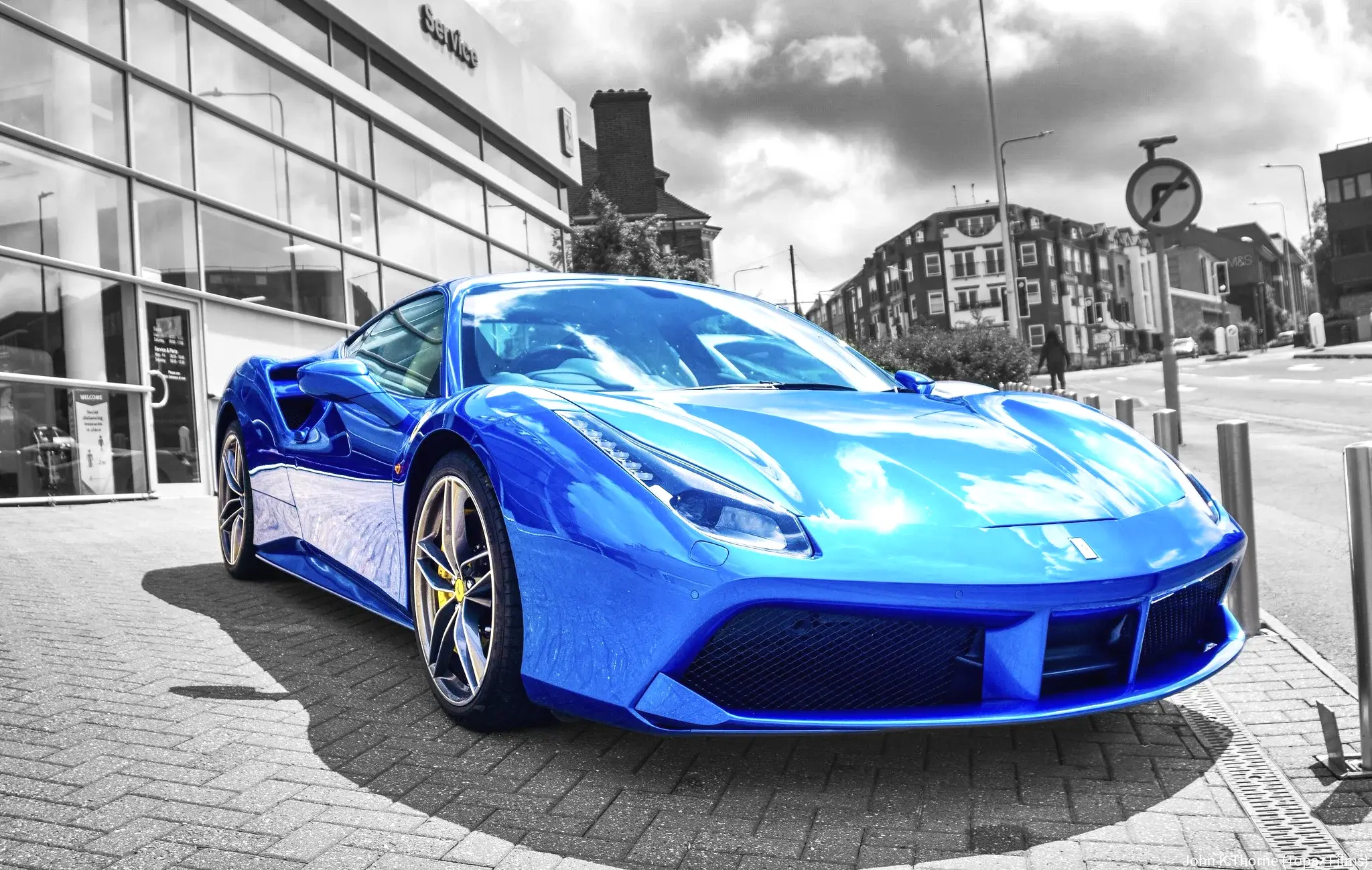
Spot the “Feature vs. Benefit” Conflation: Marketing constantly conflates a technical feature with a user benefit. “This car has a 17-inch screen!” is a feature. “The interface is so intuitive you rarely need to look at it” is a benefit. Your job is to read reviews and owner reports looking for the benefit. I’ve seen buyers obsessed with spec-sheet features (terabytes of processor power!) who are utterly frustrated by laggy, confusing software in practice. Focus on the lived experience, not the checkbox.
Follow the Money (and the Regulations): The single biggest driver of automotive innovation is not genius, but policy. Emissions regulations in the EU, CAFE standards in the US, and China’s NEV mandates force change. Simultaneously, follow the venture capital. Are billions flowing into autonomous trucking startups or sodium-ion battery research? That’s a concrete signal. The fusion of regulatory pressure and capital allocation tells you what must and can happen. This filter alone will help you ignore the distracting side-shows.
Build a Sustainable Routine, Not a Chore

You cannot stay in a constant state of “research.” You’ll burn out. Build a lightweight, habitual system.
- The Daily Scan: A 15-minute skim of your curated social media list (engineers, analysts) and headlines from one trade source (Automotive News’s daily digest is perfect). This is for major breaking news.
- The Weekly Deep Dive: Set aside an hour to read 2-3 long-form analytical articles from your journalist shortlist and perhaps watch one in-depth technical review. This is for understanding.
- The Quarterly Recalibration: Every few months, attend a local cars and coffee, visit a few dealerships just to sit in new models, or have a coffee with a knowledgeable friend. Touch the metal. Feel the interfaces. This grounds digital information in physical reality. It’s where you realize that a button feel or sightline is never captured in a spec sheet.
In my experience, the most informed car owners aren’t the ones who spend the most time online. They are the ones with a disciplined system. They know the landscape because they understand the map, the terrain, and the weather patterns, not because they’ve memorized every bump in the road. They can separate a genuine paradigm shift—like the industry’s painful but inevitable pivot to software-defined vehicles—from the endless hype cycles surrounding things like “solid-state batteries next year.”
Start by building your foundation, then layer on the technical knowledge, use social media as a tool not a feed, and never stop applying your critical filter. Do this, and you’ll never again be the person in the dealership surprised by what’s already old news. You’ll be the one asking the questions they haven’t even prepared answers for yet. That’s where real insight begins.