The Evolution of Car Design: From Function to Fashion
I still remember the first time a client of mine, a lifelong gearhead, slid behind the wheel of a new car and sighed. "I don't know what half this stuff does," he said, waving a hand at the glowing tablet on the dashboard. "I just want to know where the oil dipstick is." That moment, repeated in various forms over my career, encapsulates the journey we've been on. Car design hasn't just changed its look; it has fundamentally redefined its relationship with the person in the driver's seat. We’ve traveled a road from pure, unadulterated function to a complex world where fashion, emotion, and digital identity are often the primary commodities. This isn't abstract theory; it's the lived reality of every person who has ever traded in a car for a newer model and felt a pang of dislocation.
The Mechanical Nakedness: When Everything You Saw Had a Job
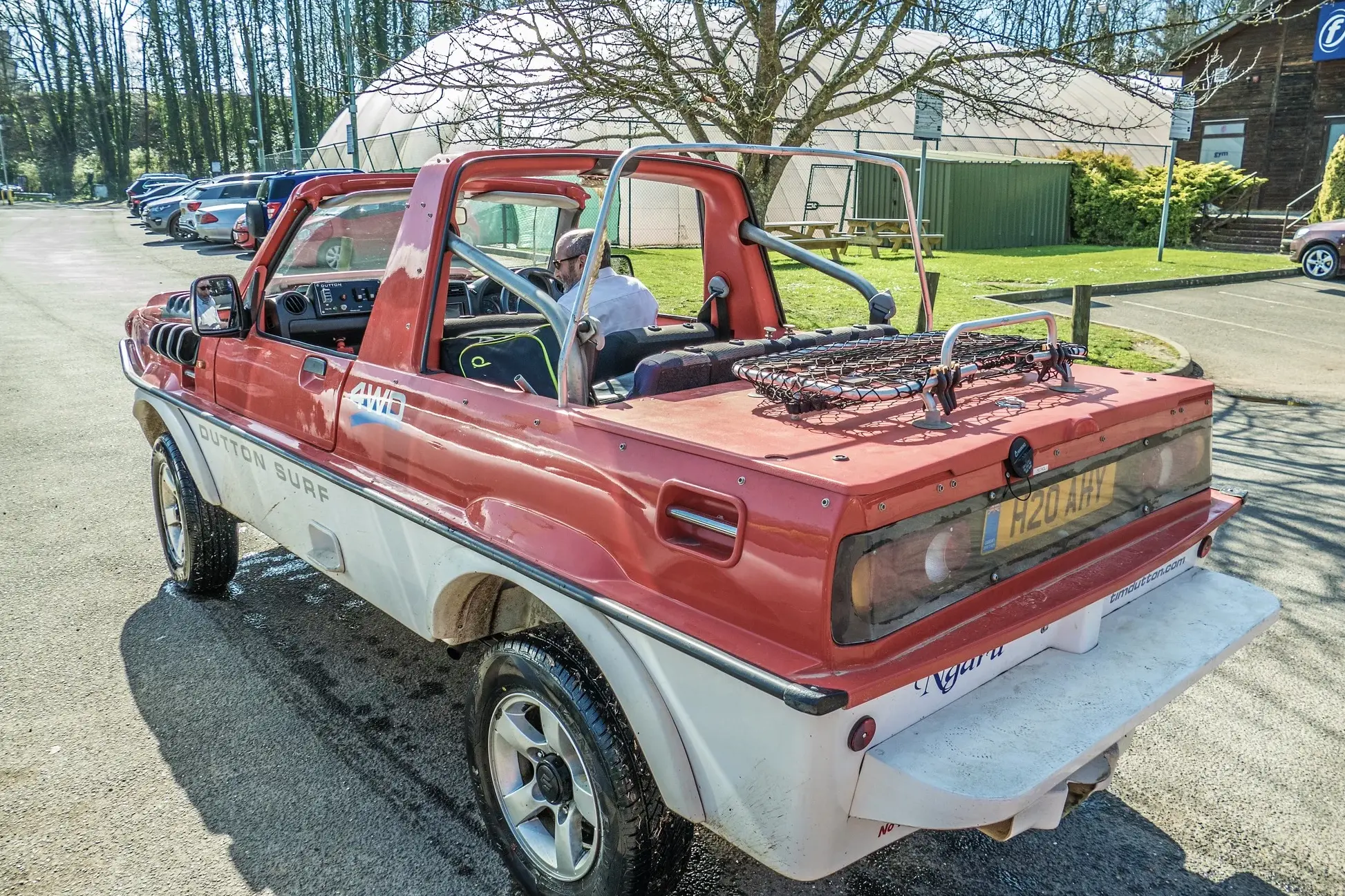
In the beginning, the car was an exposed machine. Early automotive design was an exercise in architectural honesty. The fenders were separate because they were bolt-on pieces. Headlamps were brass bowls because that’s how you housed a bulb and a reflector. The radiator sat proudly up front because it needed air. There was no styling department; there was the engineering team, and the form was a direct, unabashed consequence of the mechanical function.
When you opened the hood, you didn't see a plastic shroud with a logo. You saw the engine, the gearbox, the steering linkage—a landscape of greasy, purposeful components. Owners from this era, or those who cherish its relics, had a tactile relationship with their vehicles. A strange noise prompted a visual inspection where you could often see the loose bolt or the wobbling pulley. This design philosophy bred a certain type of owner: one who understood, out of necessity, the machine's inner workings. The "fashion" was an accidental byproduct of assembled industriality, a look we now clumsily term "steampunk" but which was simply the state of the art.

The Streamline and the Statement: Art Enters the Machine
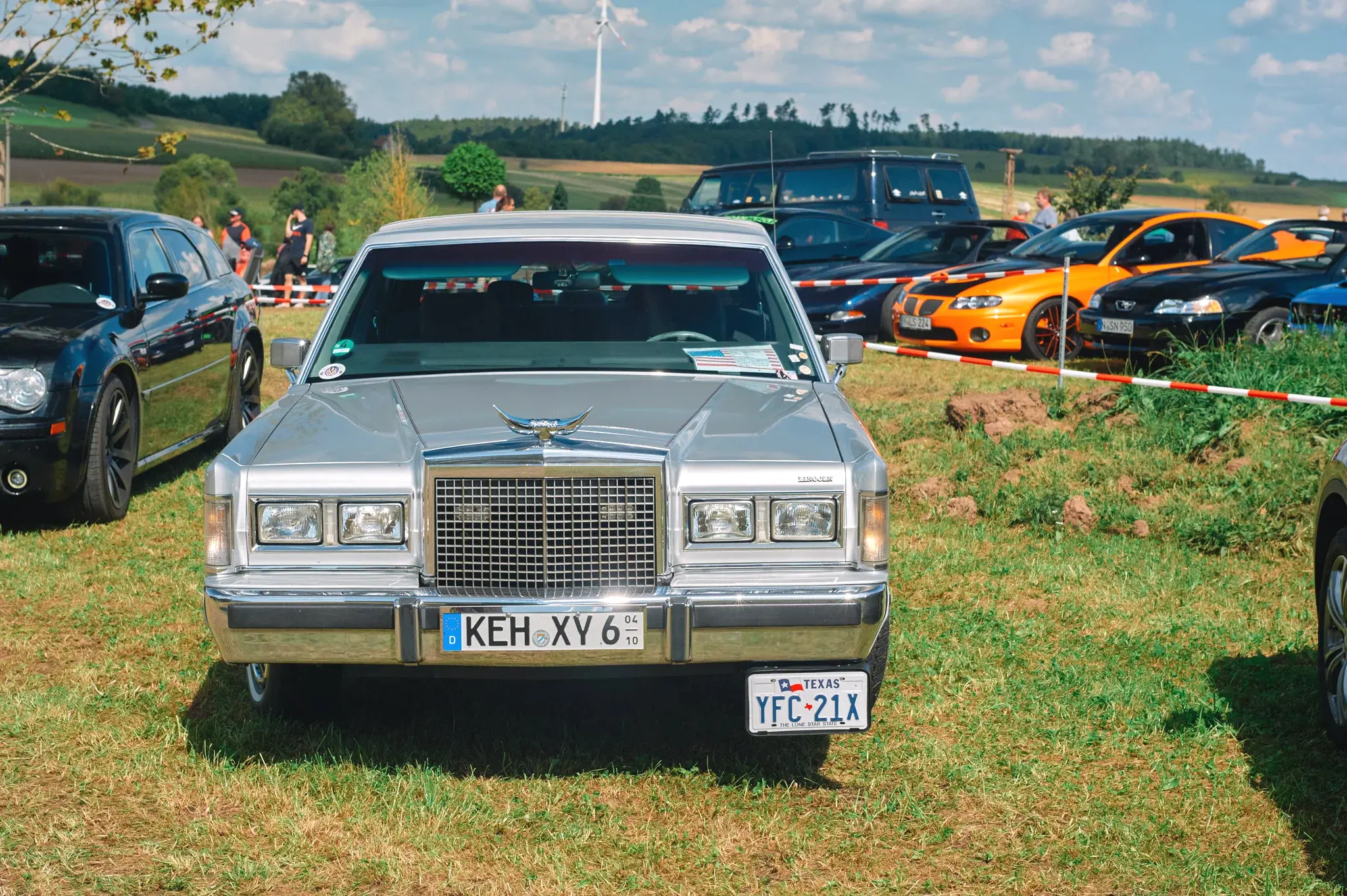
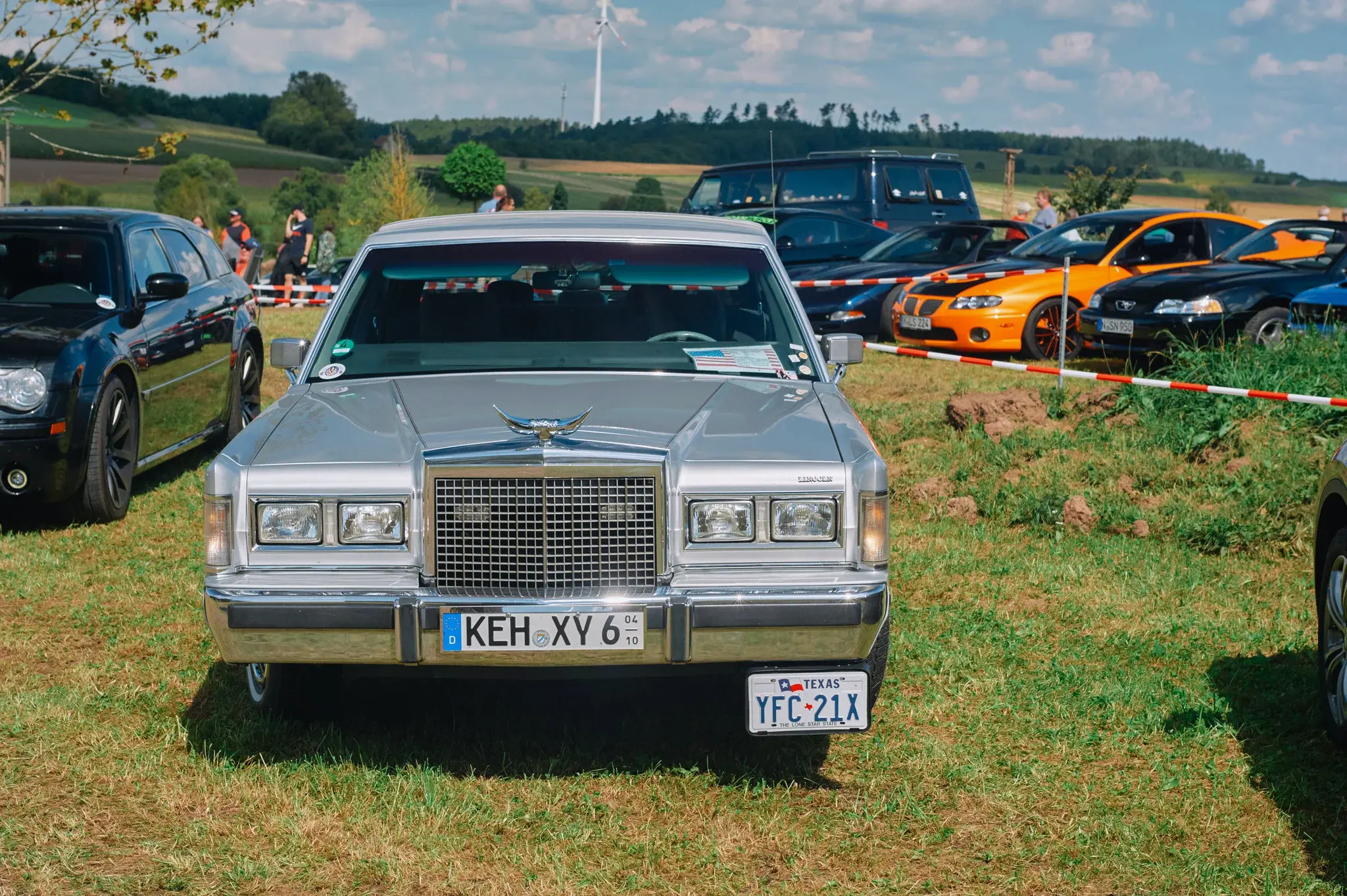
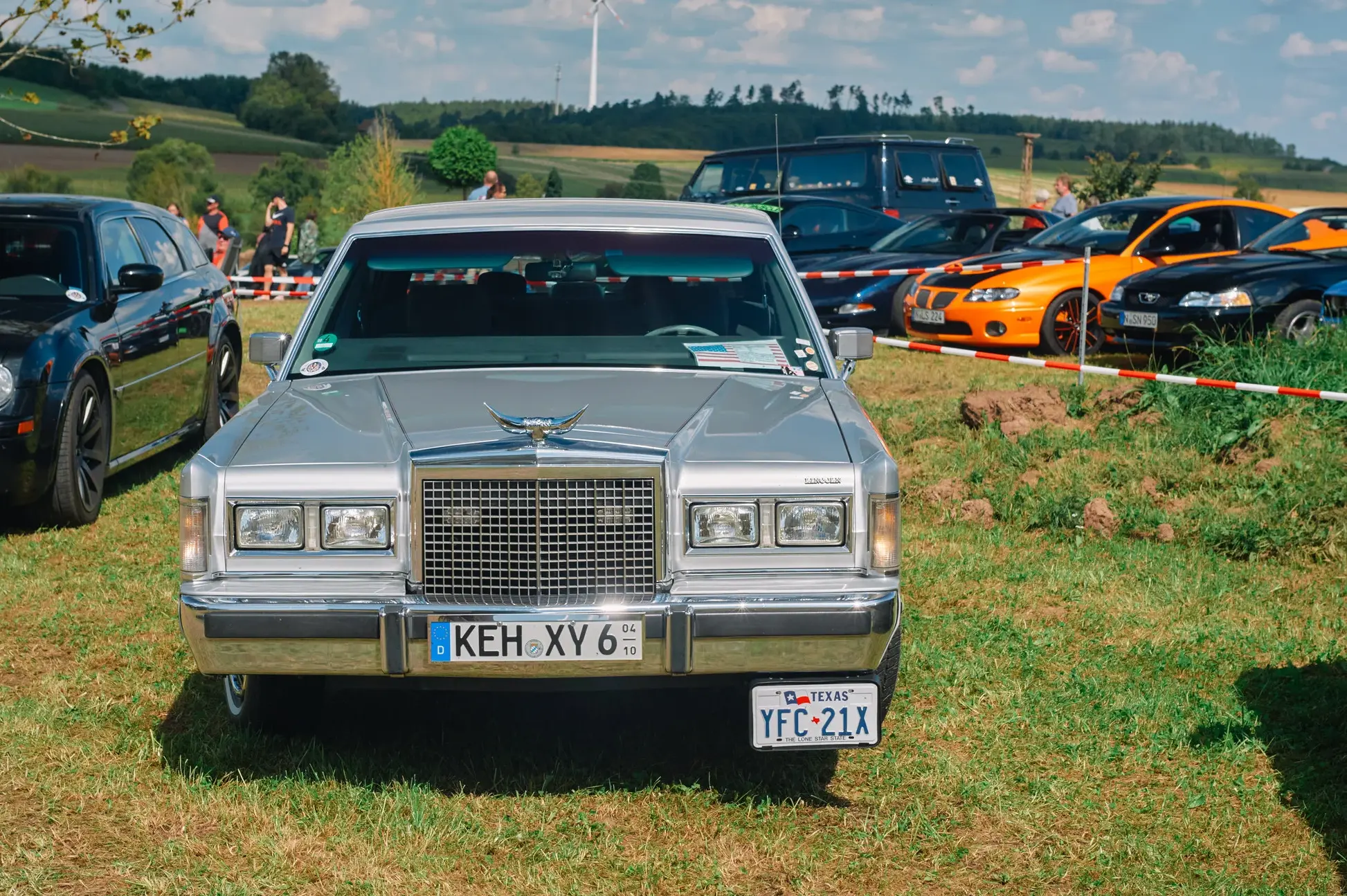
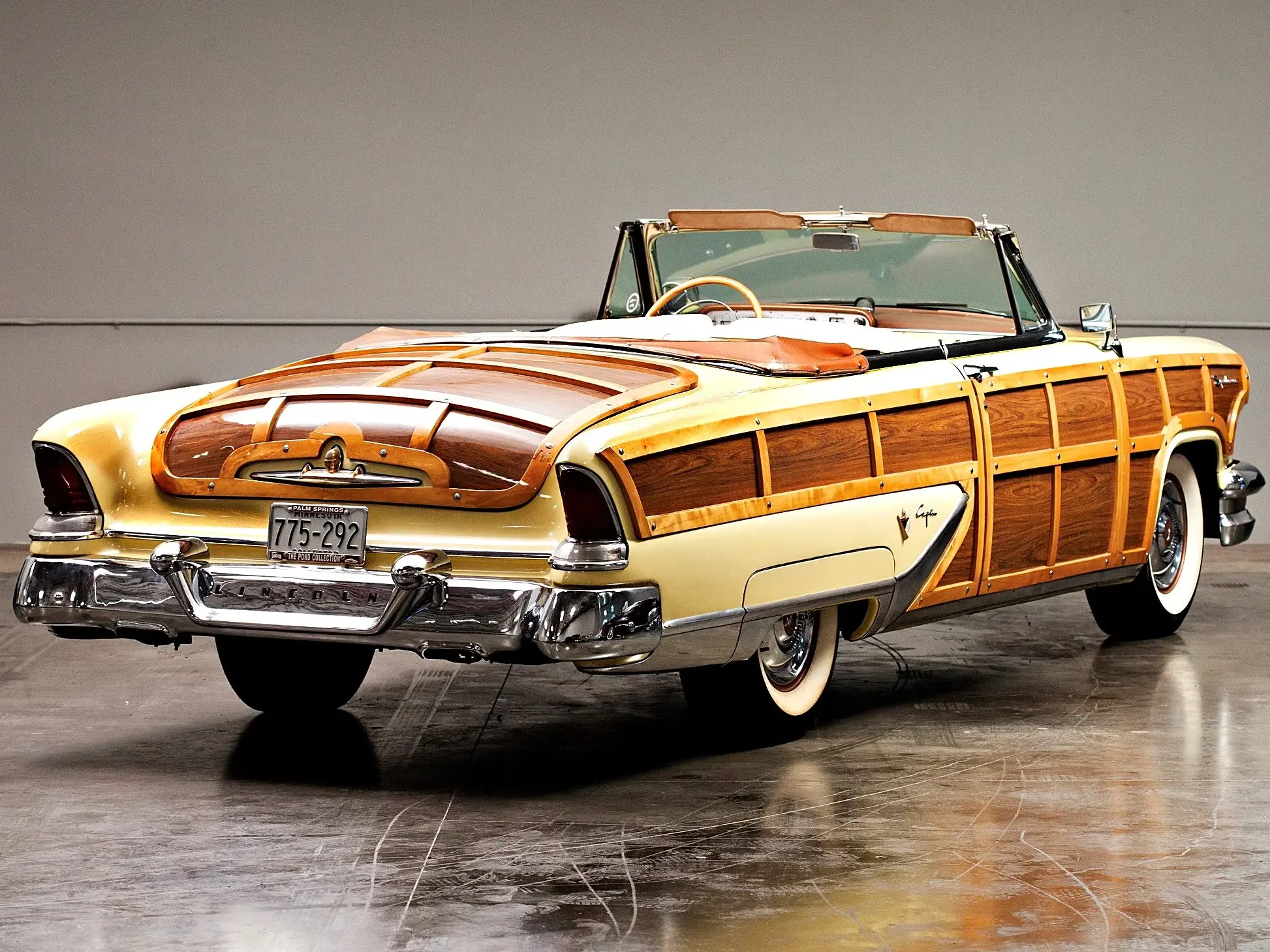
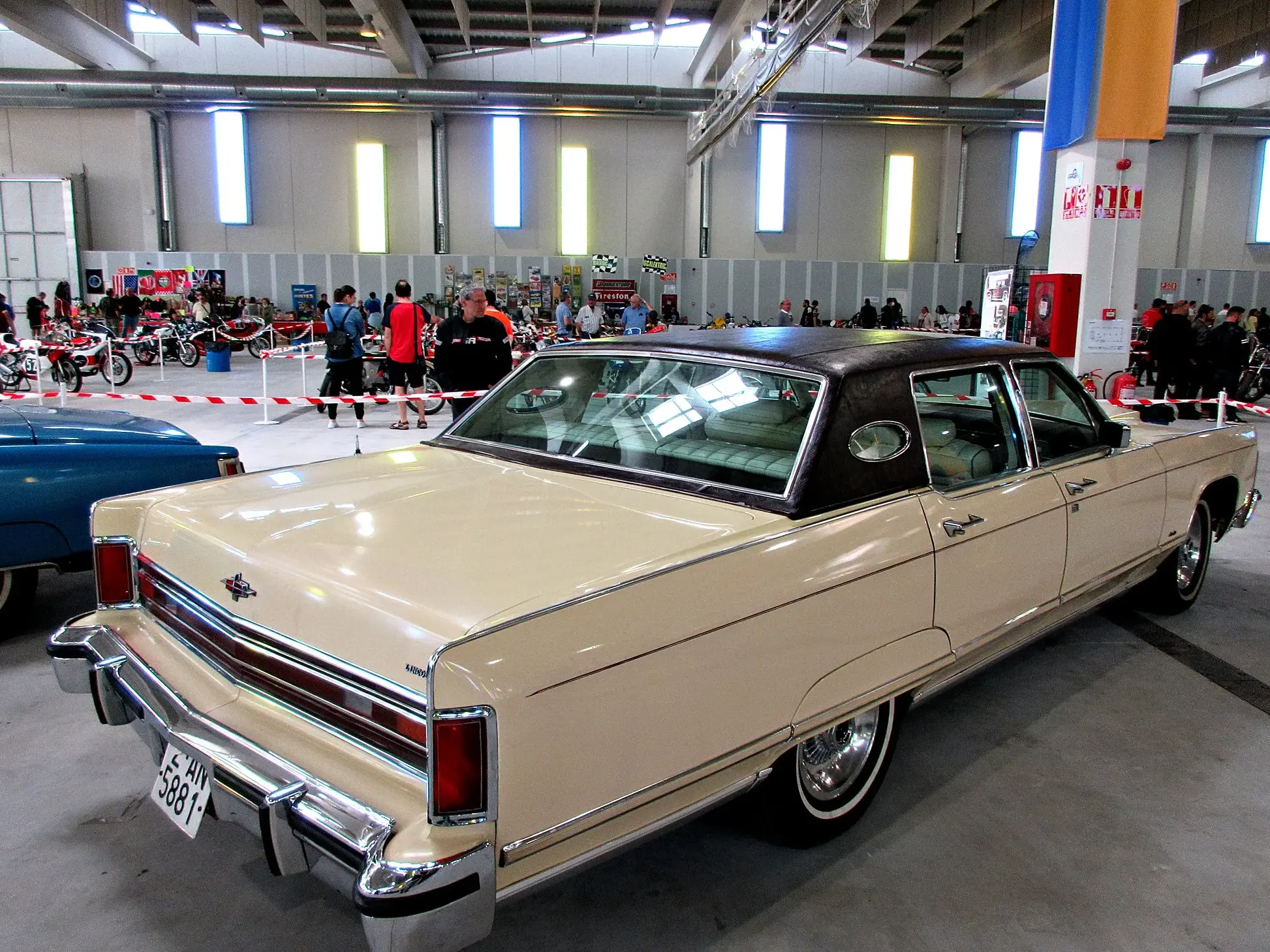
The shift began when manufacturers realized the metal shell could be more than a raincoat for the chassis. The 1930s through 1950s introduced the idea of the car as a moving sculpture, influenced by art movements and, crucially, the science of aerodynamics. This was the first great marriage of function and fashion. The streamlined teardrop shapes of the era weren't just beautiful; they were more efficient. Chrome, once used sparingly for durable trim, exploded into acres of brightwork, not to make the car go faster, but to make it shine brighter on the showroom floor.
This is where the emotional purchase began. People didn't buy a car just for its 12-second 0-60 time; they bought it for the way the fender line swept toward the horizon, for the jewel-like quality of the taillights, for the promise of a rocket-age future. I’ve spoken to collectors of this era who don't quote horsepower figures first; they describe the curve of a rear quarter panel or the intricate pattern of the grille. The function was being wrapped in a narrative, and the public eagerly bought the story. Annual model changes, a concept pioneered in this period, cemented the idea of the car as a fashion item subject to trends.
The Box, The Wedge, and The Dictates of Crisis
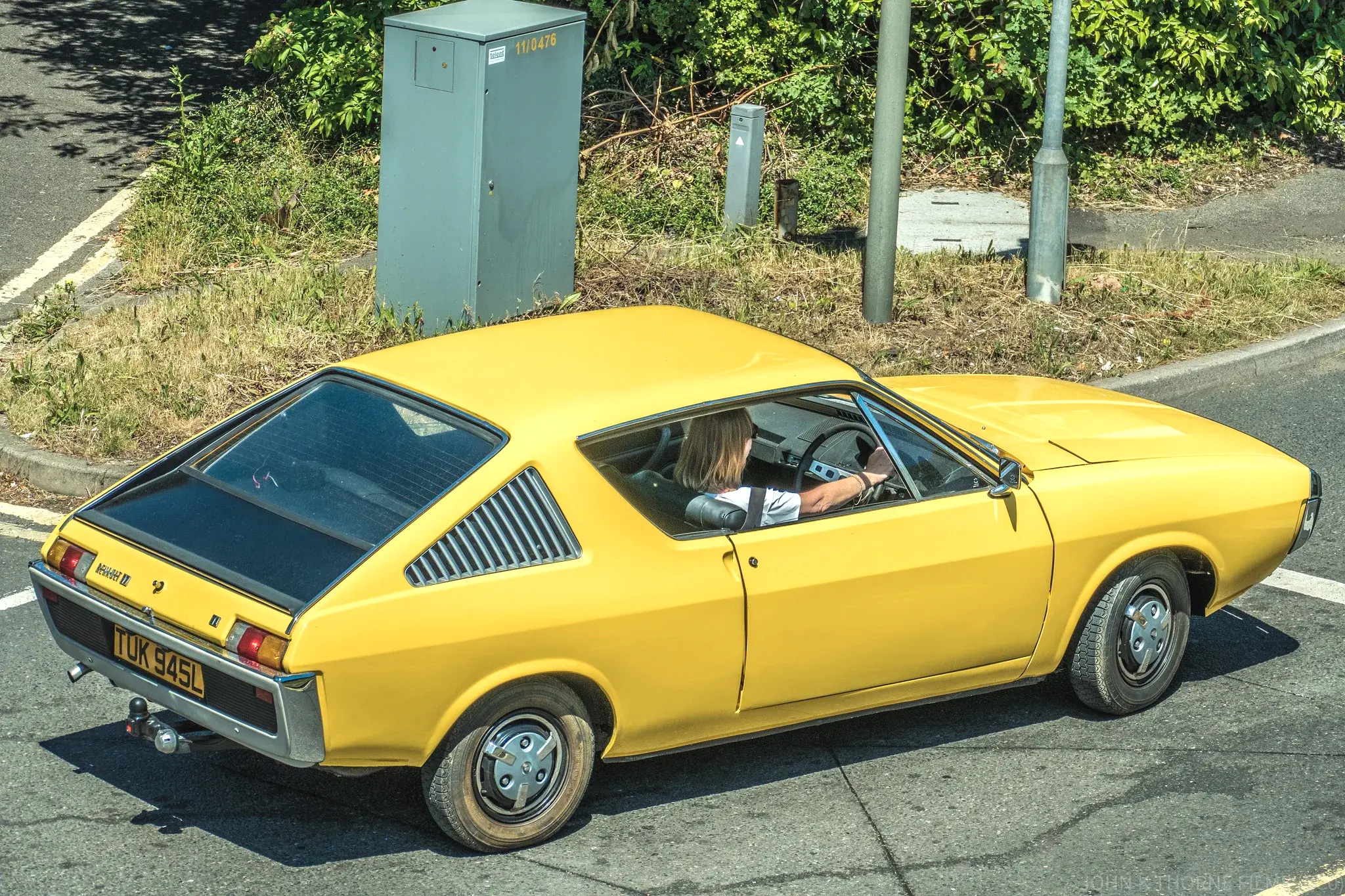
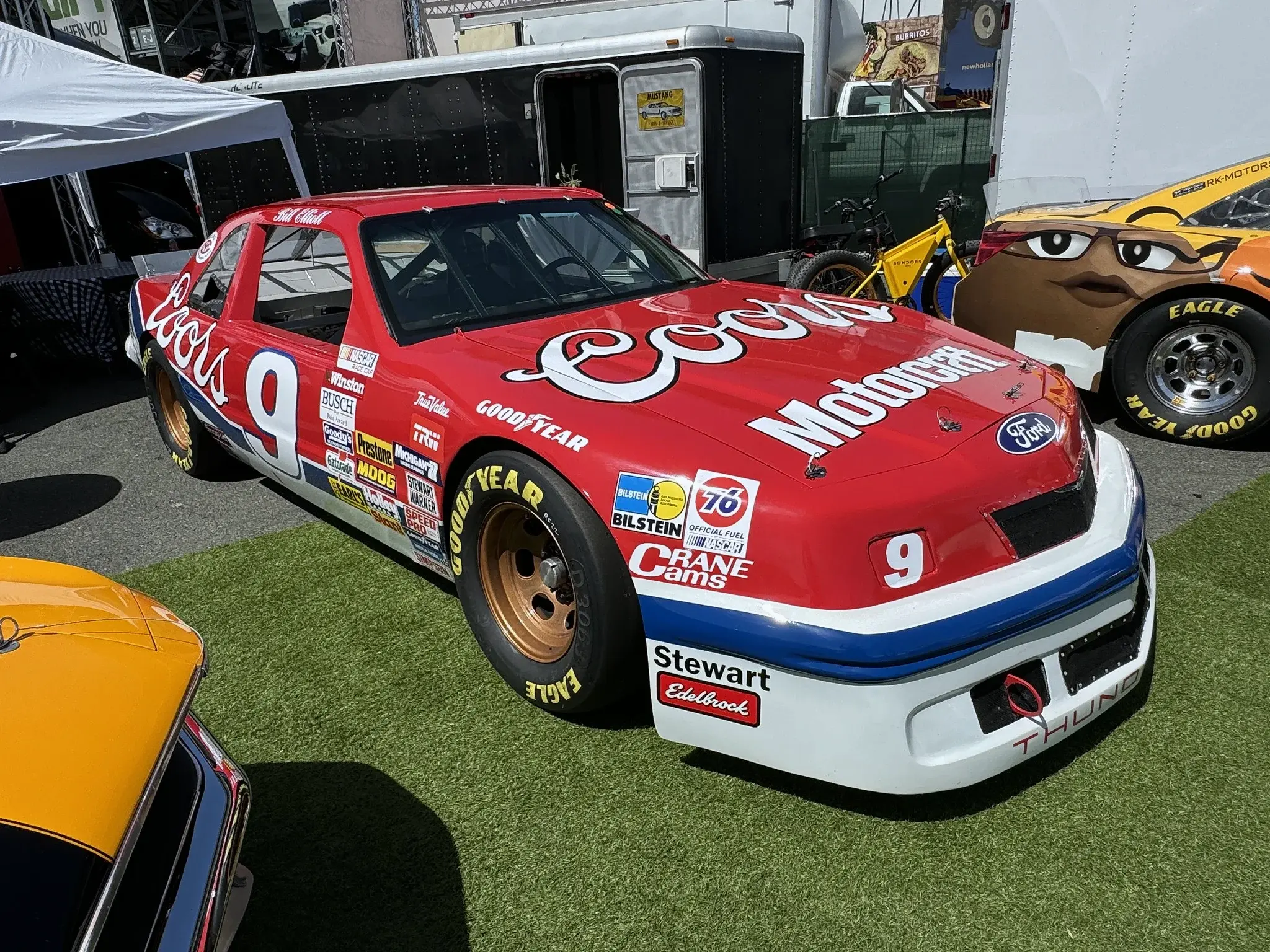
Then reality intervened. The oil crises of the 1970s and rising safety and emissions regulations slammed the brakes on flamboyance. Function, in a brutal, economic form, came roaring back. The fashion became efficiency. This birthed the era of the box—vehicles designed in wind tunnels with rulers, where aerodynamic drag coefficients trumped stylistic flair. To the average buyer, these cars often looked anodyne, even cheap. The excitement was gone, replaced by the sobering math of miles per gallon.
But within these constraints, a new kind of fashion emerged: the fashion of practicality. The rise of the utilitarian hatchback and the straightforward, spacious sedan reflected a shifted mindset. Owners prioritized logic over luxury, cargo space over character. I’ve observed that cars from this era rarely inspire passion, but they command deep respect from those who lived through it. They were honest tools in a difficult time. The wedge shape, seen in sports cars of the period, showed that even efficiency could be styled into something aggressive and purposeful, proving that function and fashion could still coexist under duress.
The Blob, The Bangle, and Digital Clay
As efficiency standards were met through engine technology rather than pure shape, designers were unleashed again in the 1990s and 2000s, this time with powerful new tools: computer-aided design (CAD) and wind tunnel modeling that allowed for complex, organic forms. The "blob" era arrived—cars with flowing, uninterrupted curves that were aerodynamically sound but would have been impossible to craft with pre-digital tools.
This period also saw the rise of the "designer as rockstar." Bold, controversial lines—famously dubbed "flame surfacing"—divided enthusiasts but made strong brand statements. The fashion was no longer about ornamentation, but about complex, emotional sculpture. You bought a car not just for what it did, but for the statement its challenging design made about you. In practice, I saw this create a new divide. Some owners felt they were driving moving art. Others found the designs fussy and the myriad complex surfaces a nightmare to repair after a parking lot ding. The car's surface had become a canvas for the brand's artistic ambition, sometimes at odds with the owner's practical reality.
The Screen Age: The Interior as Digital Theater
The most profound shift in my observation, however, has been inward. The dashboard has transformed from an array of physical controls for mechanical functions into a digital command center for an experience. The fashion is now user interface. Glossy black panels, ambient lighting strips, and massive, cinematic displays dominate. Physical buttons, the tactile function masters of old, are vanishing, replaced by haptic touch surfaces and voice commands.
This is where I see the most daily friction for owners. The learning curve is no longer about the clutch bite point, but about navigating nested digital menus to adjust the cabin temperature. The "fashion" of a clean, minimalist interior comes at a direct cost to functional intuition. People don't miss the knob because it was pretty; they miss it because they could find and turn it without taking their eyes off the road. Design is now chasing a tech-inflected aesthetic, prioritizing the wow factor of a silent, glowing cabin on the showroom floor over the muscle-memory ease of use at 70 mph on a rainy night.
The SUV Monoculture and the Fashion of Posture
No discussion of modern design evolution is complete without acknowledging the SUV's dominance. This isn't just a trend; it's a complete reorientation of the automotive silhouette around perceived security and social posture. The fashion is one of command and capability, even if the vehicle never leaves pavement. The high beltline, the upright grille, the elevated seating position—these are design choices that communicate status and safety more than they reflect mechanical necessity. Functionally, for many owners, the SUV offers easier ingress/egress and a commanding view, but the purchase is overwhelmingly driven by the fashion of the form. It’s the automotive equivalent of wearing hiking boots to the office: a statement of prepared, active readiness.
The Electric Blank Canvas: A Reset to Function, Again
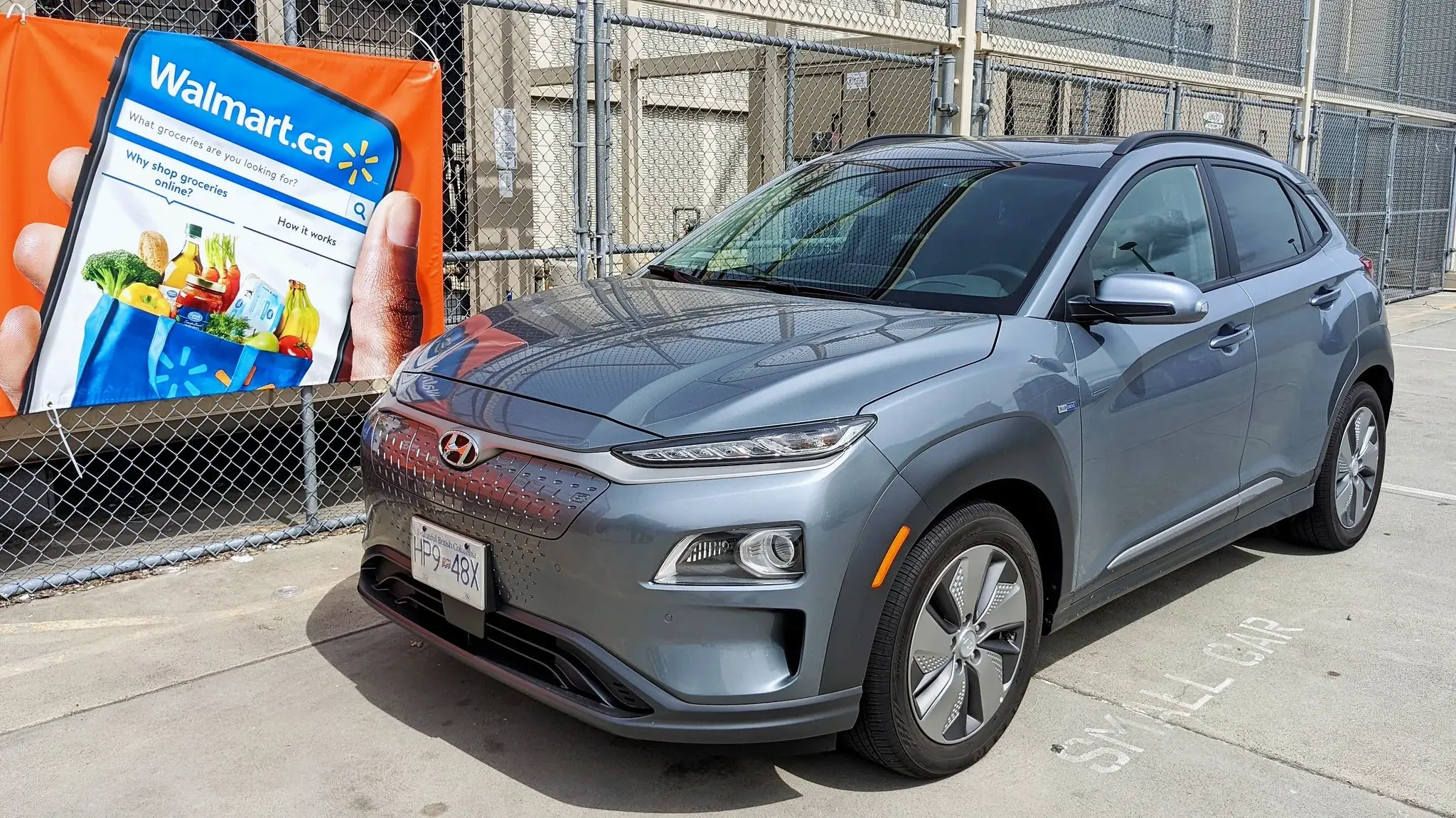
And now, the electric vehicle provides the most significant design reset in a century. With the removal of the large internal combustion engine, exhaust system, and complex transmission, designers have been handed a blank slate. The function of the powertrain is now a flat, compact skateboard. This has enabled radical rethinking of proportions: shorter front overhangs, cab-forward designs, and sprawling, flat-floor interiors.

The fashion of the EV is spaciousness and serenity. We see it in the pursuit of near-silent cabins, expansive glass roofs, and lounge-like interiors. Grilles are disappearing or becoming digital light displays, as the need for massive cooling air intakes vanishes. This new functional reality is birthing a new aesthetic—one that looks "futuristic" precisely because it is no longer anchored to the mechanical architecture of the past century. The risk, as always, is that in the pursuit of this new fashion, the timeless functional needs of the driver—logical controls, outward visibility, tactile feedback—are again being subjugated to the allure of the novel.
Conclusion: The Pendulum Never Stops Swinging
The evolution from function to fashion isn't a linear path but a constant pendulum swing. Each generation reacts to the one before it. We see this now with niche brands bringing back physical buttons as a feature, marketing them as a luxury of simplicity. The raw, mechanical honesty of a 1970s sports car is now a fetishized fashion item for modern boutique automakers.
What I’ve learned from watching this cycle is that the best designs, the ones that endure, are those that find an honest balance. They use new technology to serve human needs, not just to signal novelty. They understand that a car is a tool, a companion, and a statement, all at once. The fashion that lasts is the one that feels inevitable, not imposed—where the beauty is a direct expression of a brilliant solution. As we charge into an autonomous, electric future, the great challenge for designers won't be making cars that look like spaceships. It will be making spaceships that still feel, in some essential, intuitive way, like cars. The driver, or the occupant, must remain at the center of the story. Otherwise, we’re just designing fashion for robots.