The Future of Driving: Trends Shaping the Automotive Industry
I’ve spent decades watching the auto industry evolve, and I can tell you this: we are not merely witnessing a new model cycle or a fresh design trend. We are living through a fundamental redefinition of what a car is, what it does, and what it means to own one. This isn't speculation from a trade show floor; it’s a conclusion drawn from observing buyer behavior, ownership patterns, and the slow, often reluctant, pivot of the entire industrial ecosystem. The future of driving is being shaped by the convergence of four seismic shifts. Forget incremental change—this is a rebuild from the wheels up.
The Unstoppable March of Electrification
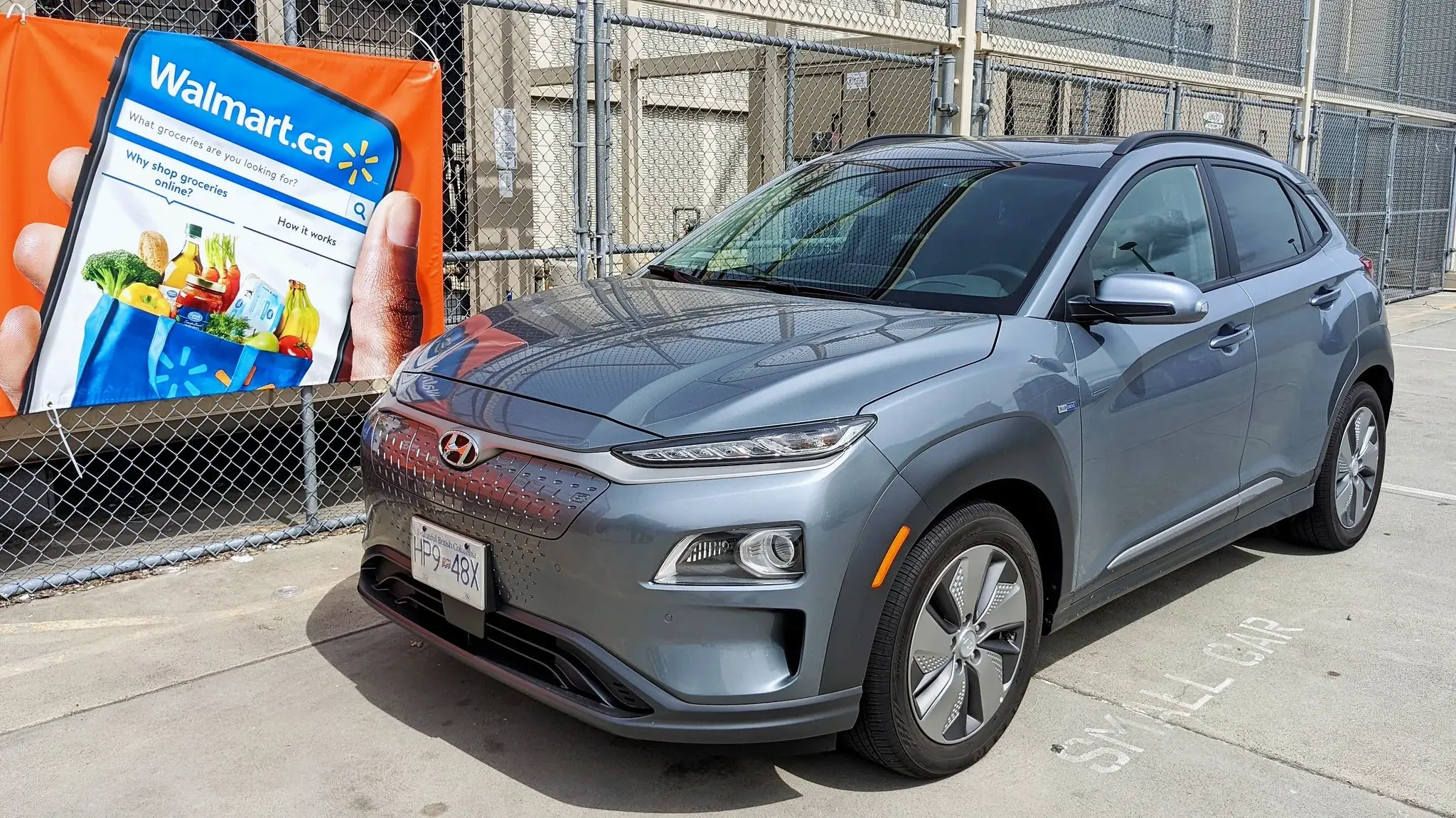
Let's start with the most visible shift. Electrification isn't coming; it's here. This isn't about a few niche early adopters anymore. I've watched the conversation in dealerships change from skeptical "why would you?" to practical "how do we charge it?" The tipping point has passed. The trend is no longer driven solely by environmental policy, but by a compelling user experience that owners, once they try it, are reluctant to give up.
In practice, what does this mean? It means the primary relationship with your vehicle is shifting from the gas pump to the electrical outlet. Owners of electric vehicles (EVs) don't "fill up"; they "top up" during natural pauses in their day—overnight at home, while at work, or during a shopping trip. This requires a fundamental rethinking of infrastructure, not as a public amenity like a gas station, but as a private utility, akin to your home's internet connection. The challenge I see isn't range anxiety in the classic sense, but charging anxiety: the uncertainty of finding a reliable, fast, and functional public charger on a road trip. The companies that solve this—making it as seamless and predictable as unlocking your phone—will win the next decade.
Furthermore, the mechanical simplicity of EVs is resetting ownership expectations. There are far fewer moving parts to fail. The traditional repair shop model, built on oil changes, transmission flushes, and exhaust work, is facing an existential threat. What emerges instead will be centers focused on software diagnostics, battery health, and advanced electronics. This is a profound change that the aftermarket industry is only beginning to grapple with.
The Tension Between Autonomy and Connectivity
Here is where the industry narrative and real-world adoption diverge sharply. For years, the talk has been of fully self-driving cars—autonomy. What's actually happening, and what owners are experiencing today, is a massive increase in connectivity. Your car is becoming a rolling data center, constantly communicating, updating, and learning.
True, hands-off, eyes-closed autonomy is perpetually "a few years away," and I believe that timeline is intentional. The technological and, more importantly, the liability and regulatory hurdles are monumental. I’ve driven every so-called "self-driving" system on the market, and in practice, they are advanced driver assistance systems. They reduce fatigue on highways, they can be brilliant in stop-and-go traffic, but they require a vigilant human overseer. This semi-autonomous reality is where we will live for a long time.
The more immediate and impactful trend is connectivity. Modern vehicles generate terabytes of data on driving habits, component performance, and even road conditions. This data is gold. It allows for over-the-air (OTA) software updates that can improve performance, add features, or fix bugs without a dealership visit—a game-changer for ownership. But it also creates new friction. Owners are growing wary of subscription models for features already baked into the hardware, like heated seats or enhanced performance. The car as a "platform" is a double-edged sword: it promises continuous improvement but also introduces the potential for digital feudalism, where you never truly own the capabilities of your vehicle.
The Erosion of Traditional Ownership
The third trend is economic and social: the changing model of access. For generations, car ownership was a cornerstone of adult independence. That's becoming less absolute. I see three concurrent models gaining ground, each serving a different need.
First, traditional ownership is evolving into usership through long-term subscriptions. These are not leases. They are all-inclusive packages (insurance, maintenance, sometimes even charging) that offer flexibility without long-term debt. They appeal to those who want a hassle-free experience and the ability to switch vehicles frequently.
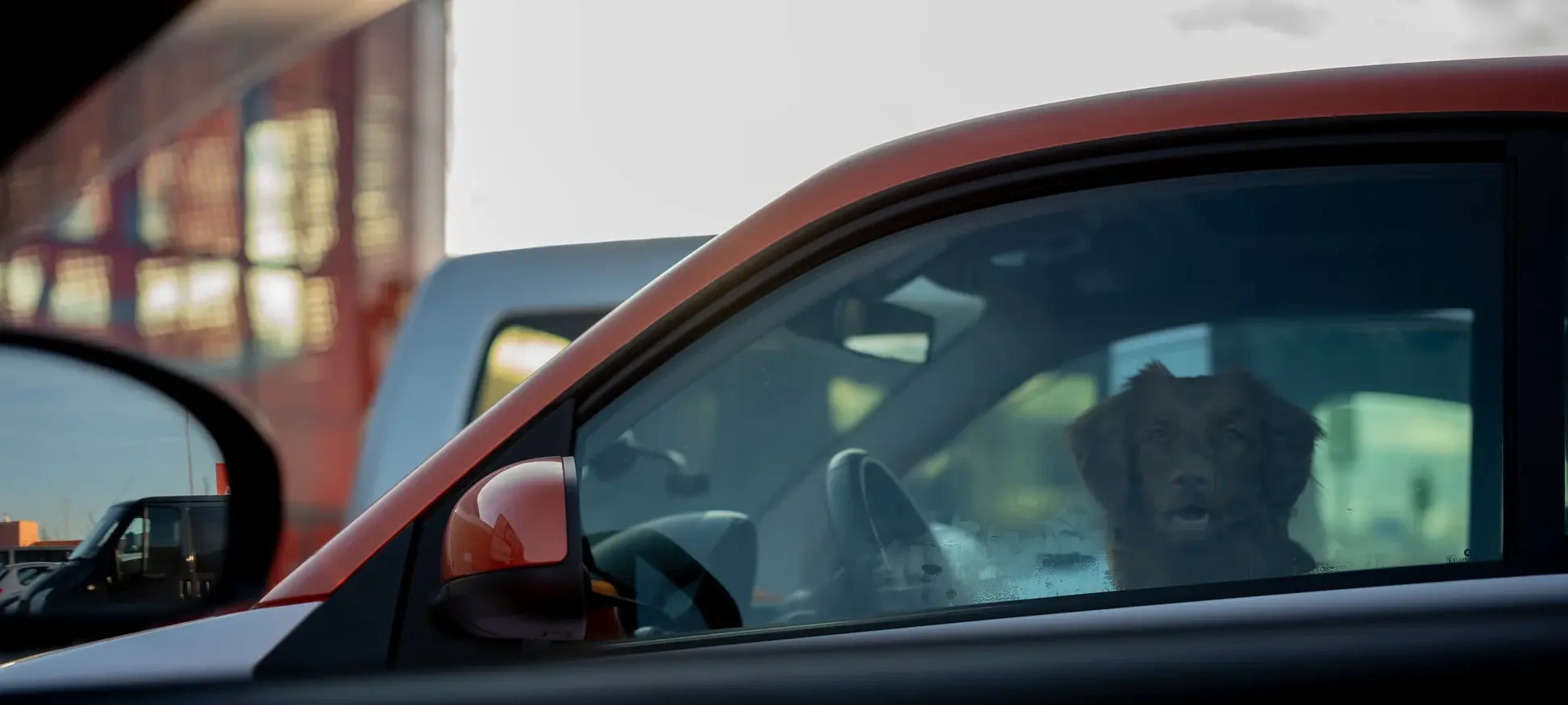
Second, fractional ownership through peer-to-peer platforms is turning every private car into a potential rental asset. It’s not just for travelers; I know owners who specifically finance vehicles with the intent to offset costs by renting them out when they’re not in use.
Third, and most disruptive in dense urban areas, is the shift to Mobility-as-a-Service (MaaS). Why own a $40,000 asset that sits idle 95% of the time when you can summon a ride, a scooter, or a short-term rental exactly when you need it? For a growing segment of the population, particularly younger urbanites, this is a rational calculation. The car shifts from a personal expression to a utilitarian service, like tap water or electricity. This trend pressures automakers to become mobility providers, not just manufacturers—a completely different business with thinner margins and fiercer competition.
The Material and Design Revolution

Beneath the software and the powertrain, the physical car is being reinvented. This is less discussed but equally critical. The push for efficiency (to extend EV range) and new manufacturing techniques is revolutionizing materials and design.
We are moving away from the unibody-as-sacrosanct principle. Modular platforms, where the same foundational "skateboard" (housing the battery, motors, and core electronics) can be fitted with multiple different body styles, are becoming standard. This allows for incredible economies of scale and faster development cycles.
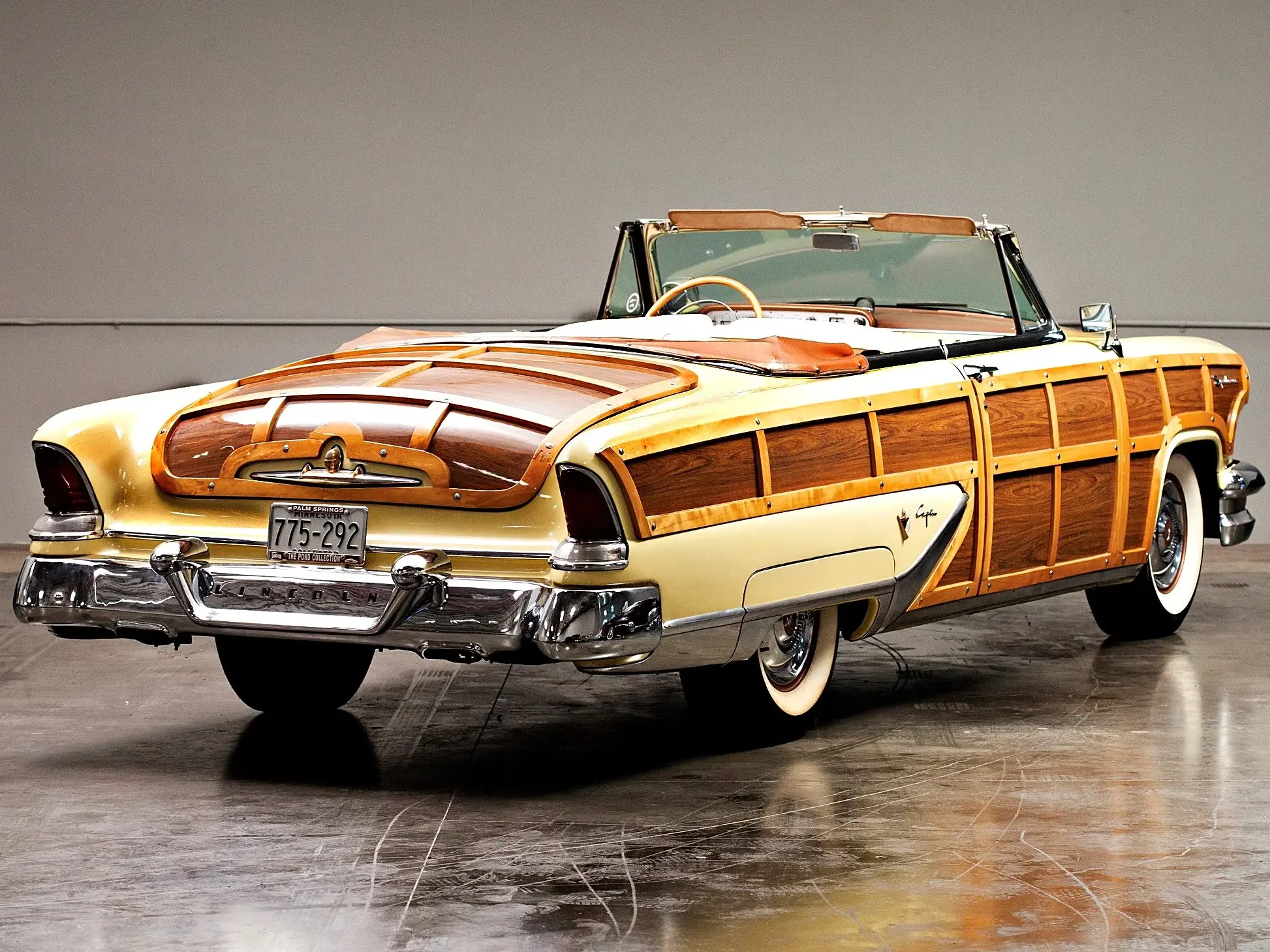
Furthermore, materials are changing. High-strength steel and aluminum are being joined by advanced composites and sustainable materials—recycled plastics, vegan leathers, and even natural fibers for interior panels. This isn't just greenwashing; it's a response to consumer demand and the need for lighter, stronger, and more sustainable components. In the showroom, the tactile experience is shifting. The solid thunk of a door closing, long a sign of quality, may be replaced by the whisper-quiet seal of a lightweight composite door.
Interior design is undergoing its own transformation. As driving demands less constant attention, the cabin is becoming a living space. Large, panoramic screens, configurable ambient lighting, advanced sound insulation, and seating designed for comfort in both driving and stationary "office mode" are paramount. The steering wheel and pedals are becoming just one set of interfaces among many.
The Inevitable Conclusion: Integration Over Isolation
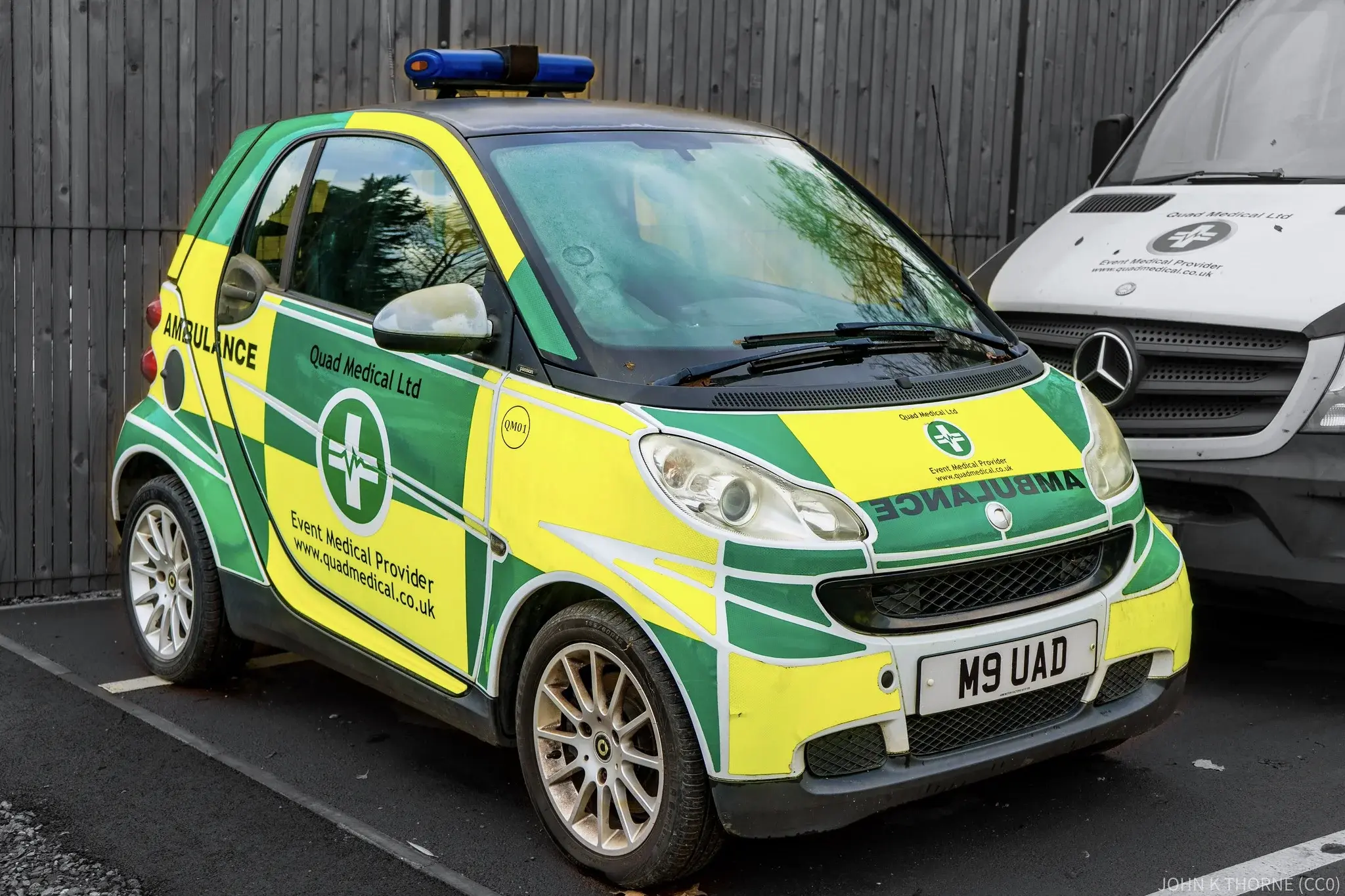
So, where does this leave us? The future car is not an island. It is a node in a networked system. The most successful vehicles won't just be electric, connected, or shared; they will be seamlessly integrated into the user's digital and physical life.
Your car will schedule its own service appointment when it detects an anomaly, navigate to a charging spot that aligns with your calendar, pre-condition its cabin using clean energy from your home solar system, and stream your personalized entertainment and workspace environment the moment you enter. The boundaries between home, office, and vehicle are blurring.
This future is not without its perils. It raises profound questions about data privacy, digital security, and equitable access. It challenges our emotional connection to the machine. I've seen enthusiasts mourn the loss of engine roar and manual transmissions, and that feeling is valid. But I've also seen the quiet satisfaction of a commuter whose car handles traffic jams for them, or the relief of a family that never has to visit a gas station again.
The automotive industry is no longer just about building cars. It's about managing energy, software ecosystems, and human behavior. The companies that thrive will be those that understand this new reality is not a marketing slogan, but a complete operational and philosophical overhaul. The future of driving is quieter, smarter, and more integrated. It may be less about the joy of the drive for some, but for the vast majority, it promises to be safer, cleaner, and remarkably more convenient. That’s a trade-off the market has already begun to accept. The road ahead is being mapped not just by engineers, but by data scientists, software developers, and urban planners. Buckle up—it’s going to be a fascinating ride.