The Quiet Revolution: How Electric Vehicles Are Reshaping the Automotive Landscape From the Ground Up
I need to start with a confession. A decade ago, when the first modern EVs trickled onto lots, I viewed them as a fascinating, well-intentioned sideline. I’d hear the debates: they were either the undeniable future or a government-subsidized novelty. But you don’t spend years in this business talking to engineers, dealership principals, service managers, and, most importantly, hundreds of car buyers without learning to spot a true inflection point. What we’re living through now isn’t a sideline. It’s a fundamental re-architecting of the entire automotive ecosystem—from how cars are built and sold, to how they’re serviced and, crucially, how they’re perceived. The impact isn’t coming; it’s already here, and it’s playing out in predictable, observable patterns.
The Demand Shift: Moving Beyond the Early Adopter

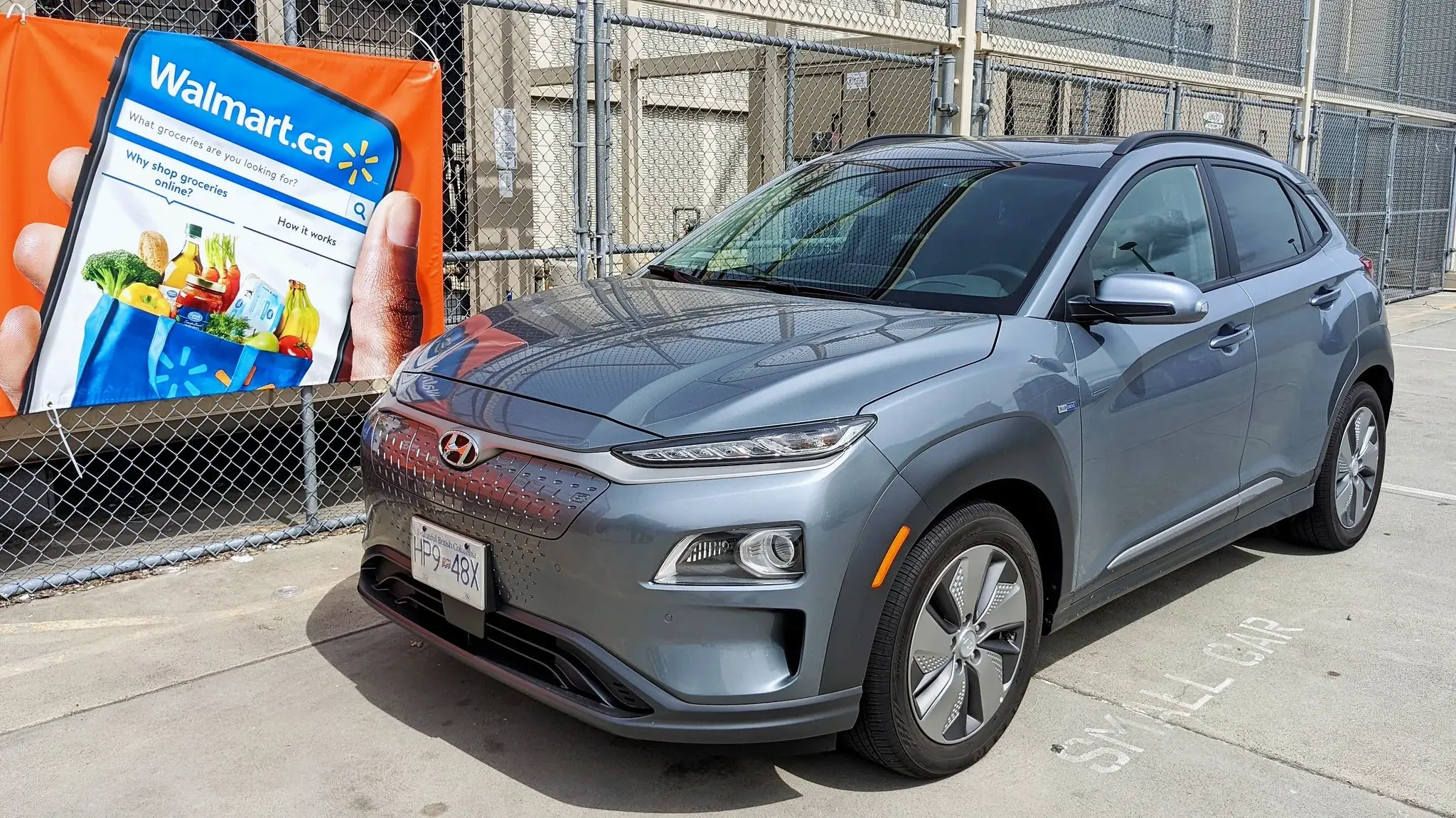
The most significant change I’ve witnessed is in the buyer profile. The early days were defined by the technophile and the environmental advocate. Their purchase was a statement. Today, I watch shoppers cross-shop a hybrid RAV4, a conventional CR-V, and a Mustang Mach-E in the same afternoon. The question has shifted from “Why would I buy an EV?” to “Does an EV make sense for my life?” This is the mainstreaming of the technology, and it’s driven by two tangible factors owners consistently cite: lower running costs and superior daily drivability.
In practice, the calculus is simple for many commuters. They plug in at home overnight, at a cost significantly lower per mile than gasoline. They appreciate the near-silent operation, the instant torque in city traffic, and the fact that their “fueling” happens while they sleep. The anxiety narrative, while real for some, is fading for the two-car household where the EV becomes the designated local workhorse. I’ve seen this pattern solidify: the EV is no longer the primary only car for a family, but it’s rapidly becoming the primary first car for daily use.

The Dealer Dilemma: Showrooms in the Crossfire
Walk into any traditional dealership today and you’ll feel the tension. It’s palpable. The franchise model was built on a foundation of routine service: oil changes, transmission flushes, exhaust repairs, and timing belt replacements. An EV strips 80% of that high-margin, repeat business out of the service department overnight. I’ve spoken with dealers who are genuinely enthusiastic about selling EVs, but are terrified of what they do to their back-end profitability.
This has led to a bizarre, observable schism. Some dealerships embrace the change, investing in charger installations and training dedicated EV specialists. Others, frankly, engage in soft sabotage. They’ll have one unplugged, uncharged demonstrator in the back corner, and the salesperson will immediately steer the conversation back to the gas-powered models they know and for which they have ample inventory. This isn’t speculation; it’s a documented behavior pattern. The manufacturer push for EVs is often at direct odds with the dealer’s immediate economic interest. This disconnect is one of the largest friction points in the entire transition, and it will force a restructuring of the retail relationship in the coming decade.
The Service Economy’s Coming Winter
Extend that service department reality to the independent repair shop on the corner. Their business is built on the complexity of the internal combustion engine—a complexity that pays the bills. EVs have far fewer moving parts. No oil, spark plugs, fuel pumps, or catalytic converters to fail. The maintenance schedule essentially revolves around tires, brakes (which wear slower due to regen), and cabin filters.
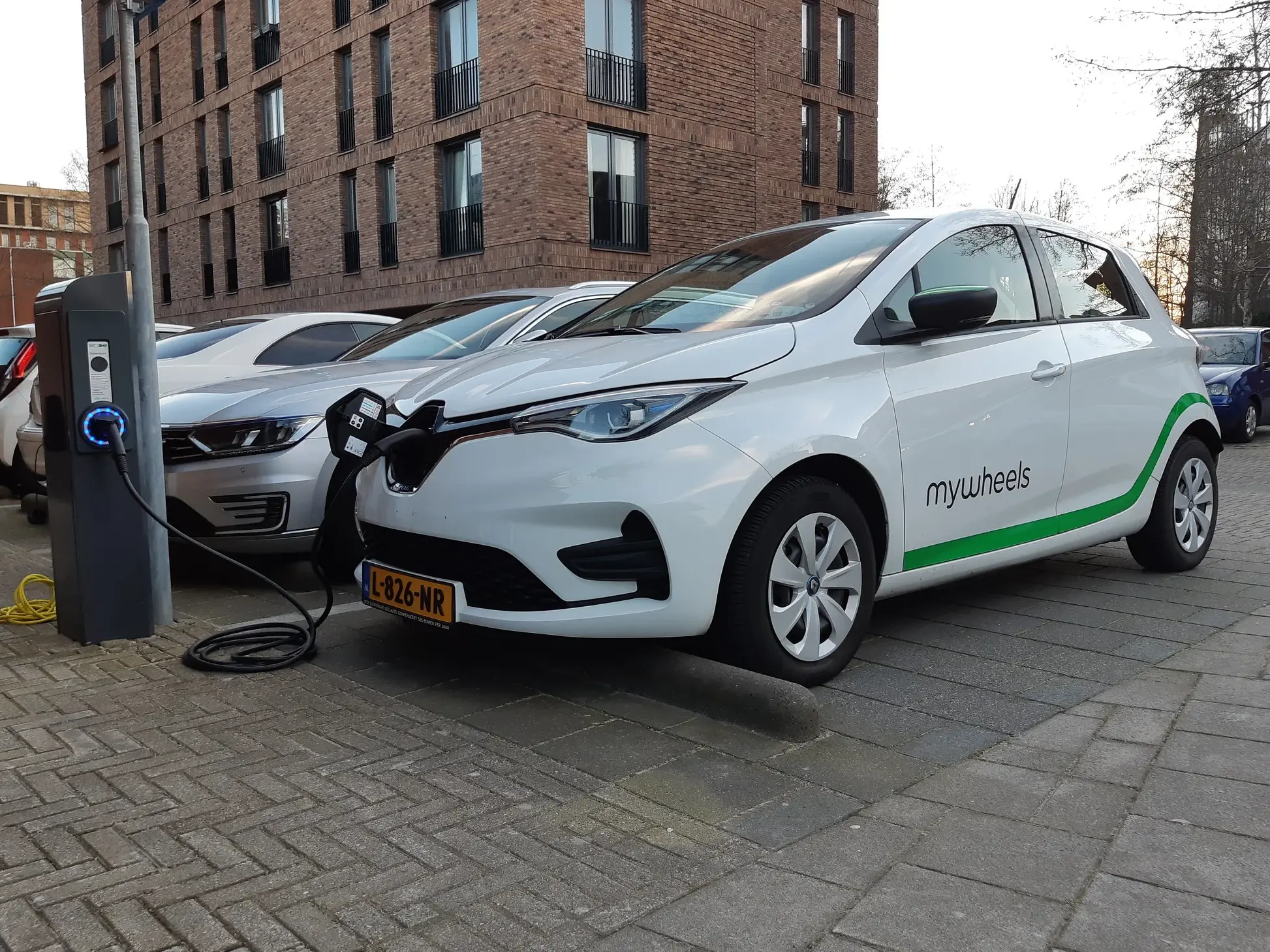
What this means for the vast aftermarket service and parts industry is a slow-rolling contraction. The technicians who can diagnose and repair high-voltage systems and complex software will thrive. The generalist mechanic doing brake jobs and oil changes will face an existential threat. I’ve already seen forward-thinking shops sending their best people for OEM EV certification courses, while others dismiss the trend entirely. The latter group, I fear, is making a catastrophic business error. The service model isn’t evolving; it’s bifurcating.
The Infrastructure Reality: A Tale of Two Charging Experiences
Here’s where theory clashes violently with lived experience. For an EV owner with a dedicated home charger, the ownership model is profoundly convenient. They start every day with a “full tank.” The public charging network, however, remains the single greatest barrier to mass, worry-free adoption for those without home charging—apartment dwellers, city residents.
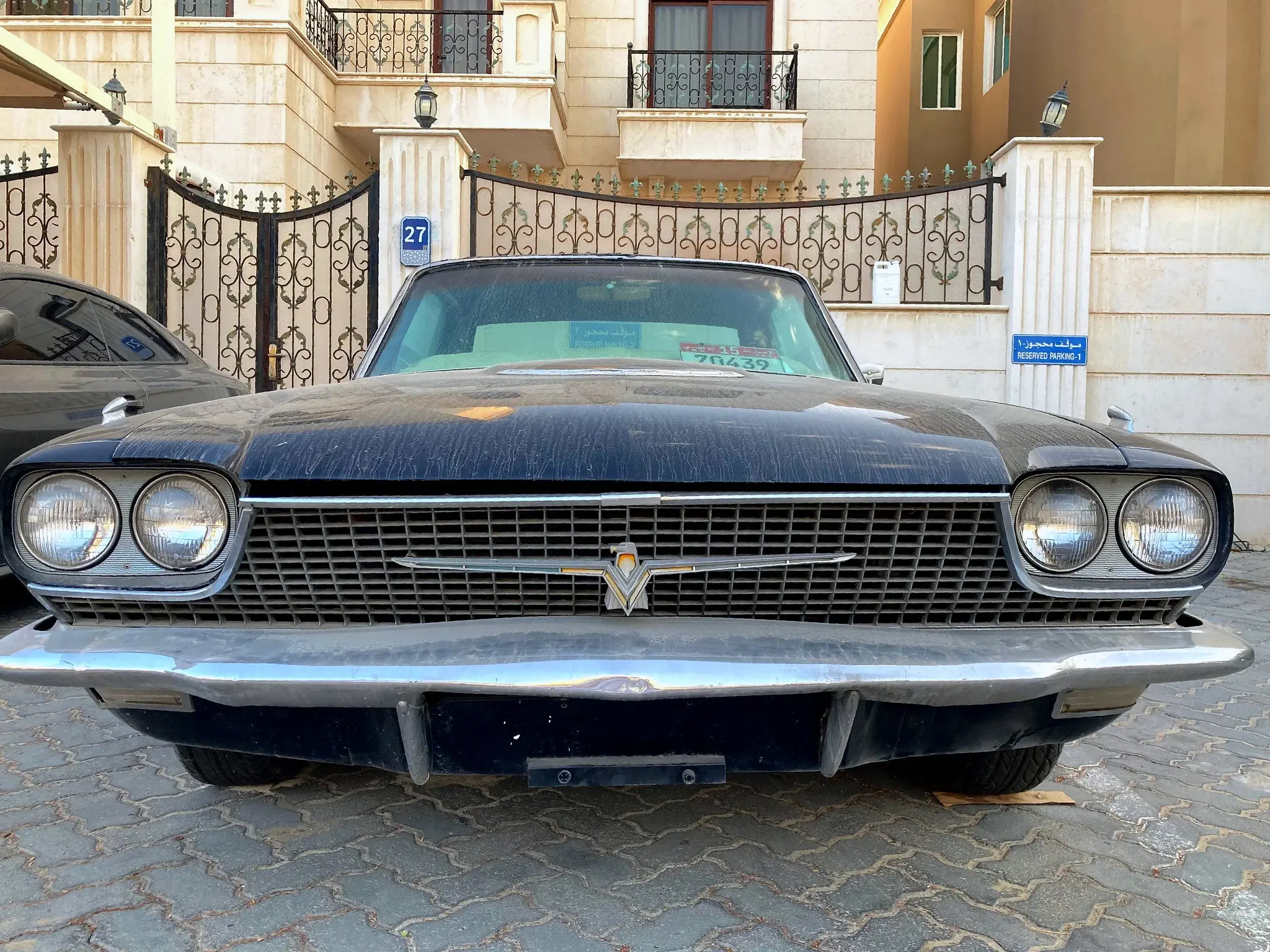
I’ve stood in grocery store parking lots and watched the frustration firsthand. A broken charger. A payment system that won’t communicate with the car. A line of three cars waiting for the only working DC fast charger in a 50-mile radius. The experience is often starkly different from the seamless promise. The network is growing, but its reliability is inconsistent. This isn’t a technology problem; it’s a logistics and maintenance problem. Until charging an EV is as reliable and ubiquitous as fueling an ICE car, a significant segment of the market will remain justifiably hesitant. The companies that solve for reliability, not just quantity, will win the day.
The Secondary Market: The Great Unknown
The used car market is the engine of mobility for a huge portion of the population. We are just now seeing the first major wave of off-lease EVs hit auction lanes, and their behavior is revealing. Depreciation on early models was brutal, driven by battery life anxiety and rapidly improving newer technology. That’s starting to stabilize as real-world data proves modern battery packs are lasting far longer than most consumers feared.
But a new challenge emerges: certification. A used ICE car has a well-understood inspection checklist. A used EV’s most critical and expensive component—its battery—is a black box. Assessing its true health and remaining lifespan requires specialized tools and knowledge most used-car dealers don’t possess. This creates a chilling effect on the secondary market. Who wants to be the dealer, or the buyer, stuck with a $15,000 battery replacement bill? The industry is scrambling to develop affordable, standardized battery health diagnostics. Until that’s solved, the used EV market will feel riskier and less liquid than its ICE counterpart, which paradoxically makes new EVs more attractive and used ones a potential bargain for the savvy buyer.
The Manufacturing Upheaval: More Than a Power Train Swap
This impact goes far beyond the showroom. Automakers are facing a capital expenditure burden unlike any since the dawn of the assembly line. Retooling plants for EV platforms is a multi-billion-dollar bet on each new model. But there’s a more profound shift: the simplification of manufacturing.
An electric powertrain has roughly one-third the parts of an ICE powertrain. The supply chain for pistons, fuel injectors, and mufflers is being replaced by one for lithium, cobalt, and semiconductors. This disrupts entire regional economies built around engine and transmission plants. The labor force is shifting from mechanical engineers to software engineers and battery chemists. I’ve toured plants transitioning to EV production; the change isn’t incremental, it’s foundational. The companies that manage this industrial metamorphosis while maintaining quality will survive. Those that are slow or clumsy will not.

The Verdict: An Unstoppable Force Meeting Movable Objects
So, what’s the final impact? The internal combustion engine isn’t going to vanish next year, or in ten years. It will remain the right choice for specific use cases—long-haul towing, remote areas, and for buyers simply not yet ready to make the switch. But the trajectory is now undeniable. EVs have moved from the fringe to the center.
The real impact is systemic. It’s a financial shock to the traditional dealer-service model. It’s a creative destruction event for the supply chain. It’s a behavioral shift for drivers who discover they prefer the EV driving experience for daily use. It’s a policy puzzle for governments managing the grid and road-tax revenues.
What I tell people now is this: stop thinking of it as a simple engine swap. Think of it as the smartphone moment for the automobile. It’s not just a better phone; it’s a different kind of device that rewired entire industries—from cameras to music to software. The electric vehicle is doing the same. It’s rewiring how we make, sell, service, and think about personal transportation. The revolution isn’t loud; it’s humming quietly in driveways across the country, and its implications are only just beginning to be understood. The automotive market isn’t being impacted; it’s being rebuilt. And from my vantage point, there’s no going back.