The Great Cover-Up: The Unvarnished Truth About Car Wraps vs. Traditional Paint
Let’s settle something right away: the debate between wrapping and painting your car isn’t about which is objectively “better.” It’s about which solution is right for your goals, your budget, and your relationship with your vehicle. Having spent years talking to owners, installers, and detailers, I’ve seen the full lifecycle of both choices—from the breathtaking reveal to the costly removal or the eventual fade. This isn’t theory; it’s observed reality. One path offers permanence and depth, the other flexibility and theater. Choose wrong, and you’ll be reminded of your mistake every time you walk into the garage.
The Foundation: Understanding What You’re Actually Comparing
First, we must clear the air. We’re not comparing apples to apples; we’re comparing a tattoo to a meticulously tailored suit. Factory paint is a multi-layer, chemically bonded system of primer, color, and clear coat, baked onto bare metal. A vinyl wrap is a pressure-sensitive adhesive film, meticulously stretched and applied over that existing paint. This fundamental difference dictates everything that follows: cost, longevity, commitment, and outcome.
A car’s paint is its skin. A wrap is its wardrobe. One is surgical, the other is sartorial. Your starting point must be an honest assessment of what you’re trying to achieve.
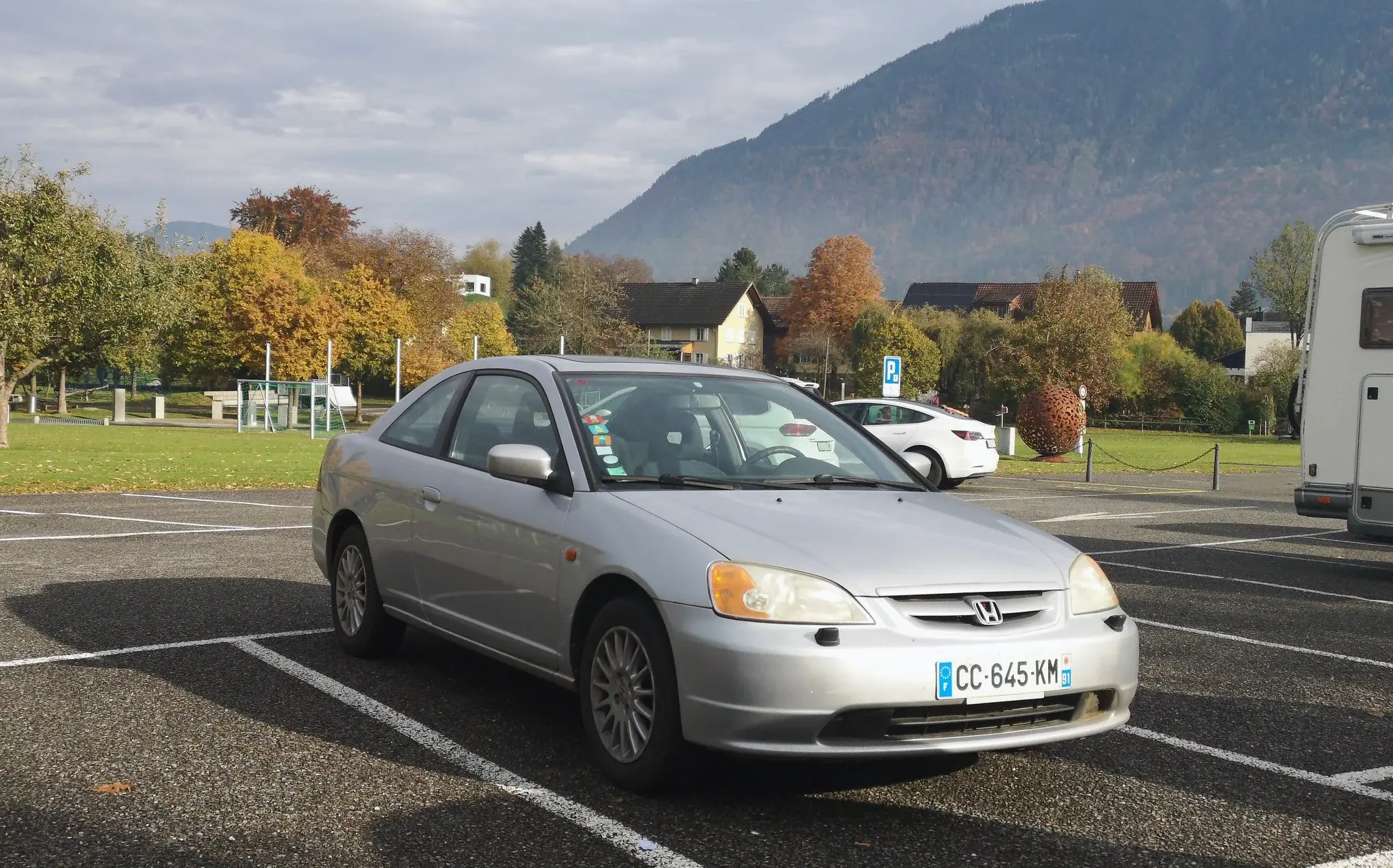
The Case for Traditional Paint: Permanence, Depth, and Legacy
When done correctly, a high-quality automotive paint job remains the pinnacle of transformation. It’s the option you choose when the vehicle itself is the heirloom.
The Unmatched Pros:
- Permanence and Value: A premium respray, especially in the original color, can actually increase a classic or special-edition vehicle’s value. It becomes part of the car’s authenticated history. I’ve seen well-documented, professional paint jobs on 90s icons add thousands to sale prices, as buyers see it as a long-term investment cured of future worries.
- Visual Depth and Authenticity: There’s a liquid depth to quality paint that vinyl struggles to replicate perfectly. Under sunlight, a multi-stage pearl or a metallic fleck has a three-dimensional quality that is physically in the finish, not on it. For factory colors, especially complex modern ones, paint is the only way to achieve perfect authenticity.
- Repairability: A rock chip or a door ding in paint is a local repair. A skilled technician can blend and clear a section. A deep scratch in a wrap often requires replacing an entire panel section, which can lead to color matching issues with aged vinyl.
- The “Feel”: This is intangible but real. Running your hand over a flawlessly prepped and sprayed surface has a cold, seamless perfection. A wrap, no matter how expertly applied, will have seams (strategically hidden, but present) and a subtly different texture.
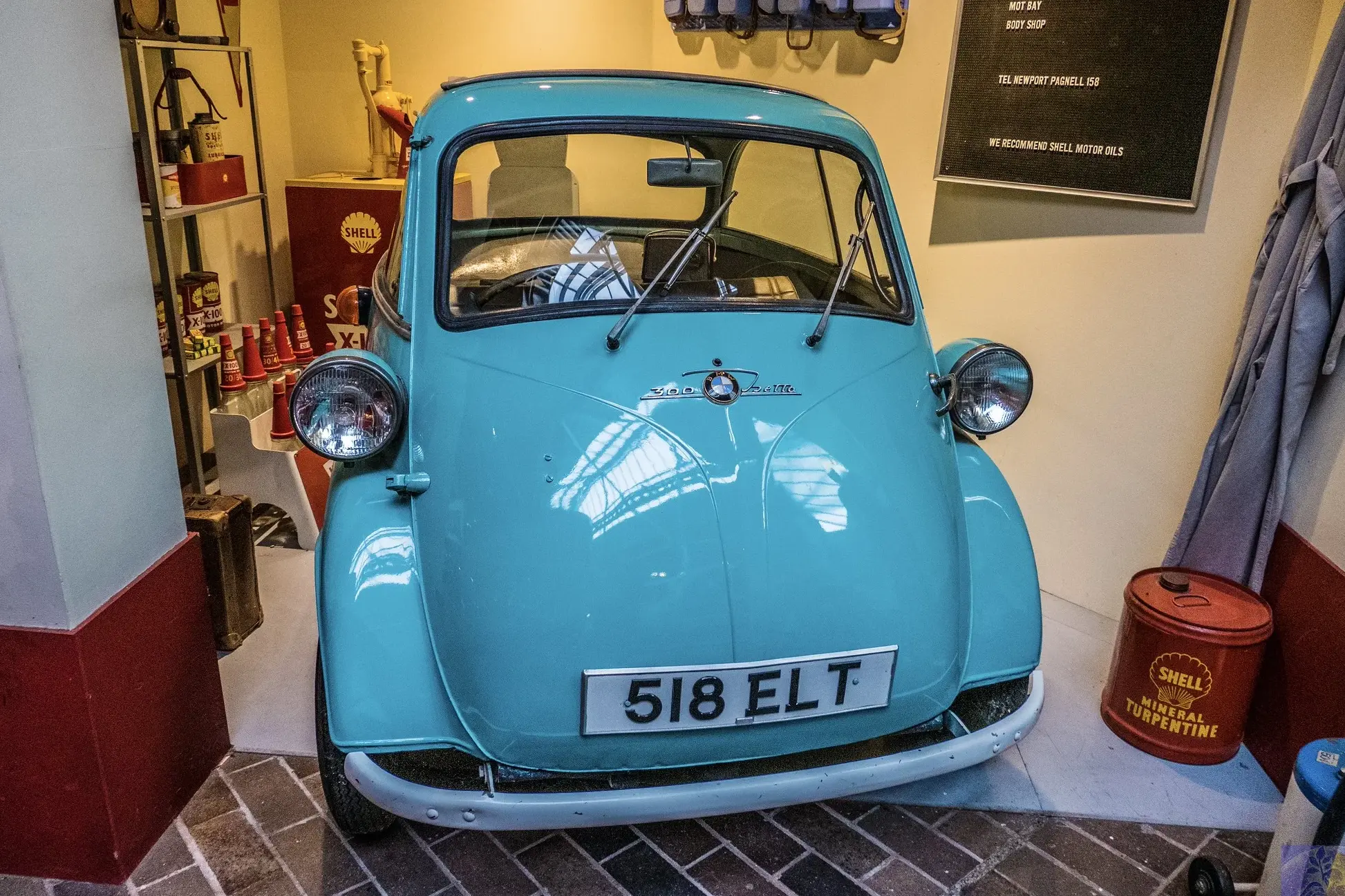
The Hard Realities (The Cons):
- The Cost of True Quality: A proper full respray—one that involves stripping to metal, addressing corrosion, perfect panel alignment, and multiple stages of primer, color, and clear—is astronomically expensive. The “$3,000 special” at a corner shop often means layers upon layers of paint over old problems, with minimal disassembly. This leads to “paint lines” in door jambs, overspray on trim, and a finish that chips and fades prematurely. You get what you pay for, and what you pay for is immense labor.
- Downtime: Your car will be in a shop, completely immobile, for weeks, if not months. This isn’t an exaggeration. Proper prep is 90% of the job.
- The Point of No Return: It’s permanent. Changing your mind from British Racing Green to Champagne Gold means starting over, at full cost and full disruption.
- Environmental and Health Factors: Professional painting requires controlled booths, serious filtration, and hazardous material handling. The VOCs (volatile organic compounds) are no joke. This regulatory overhead is baked into the price of a legitimate job.
The Rise of the Wrap: Flexibility, Artistry, and Protection
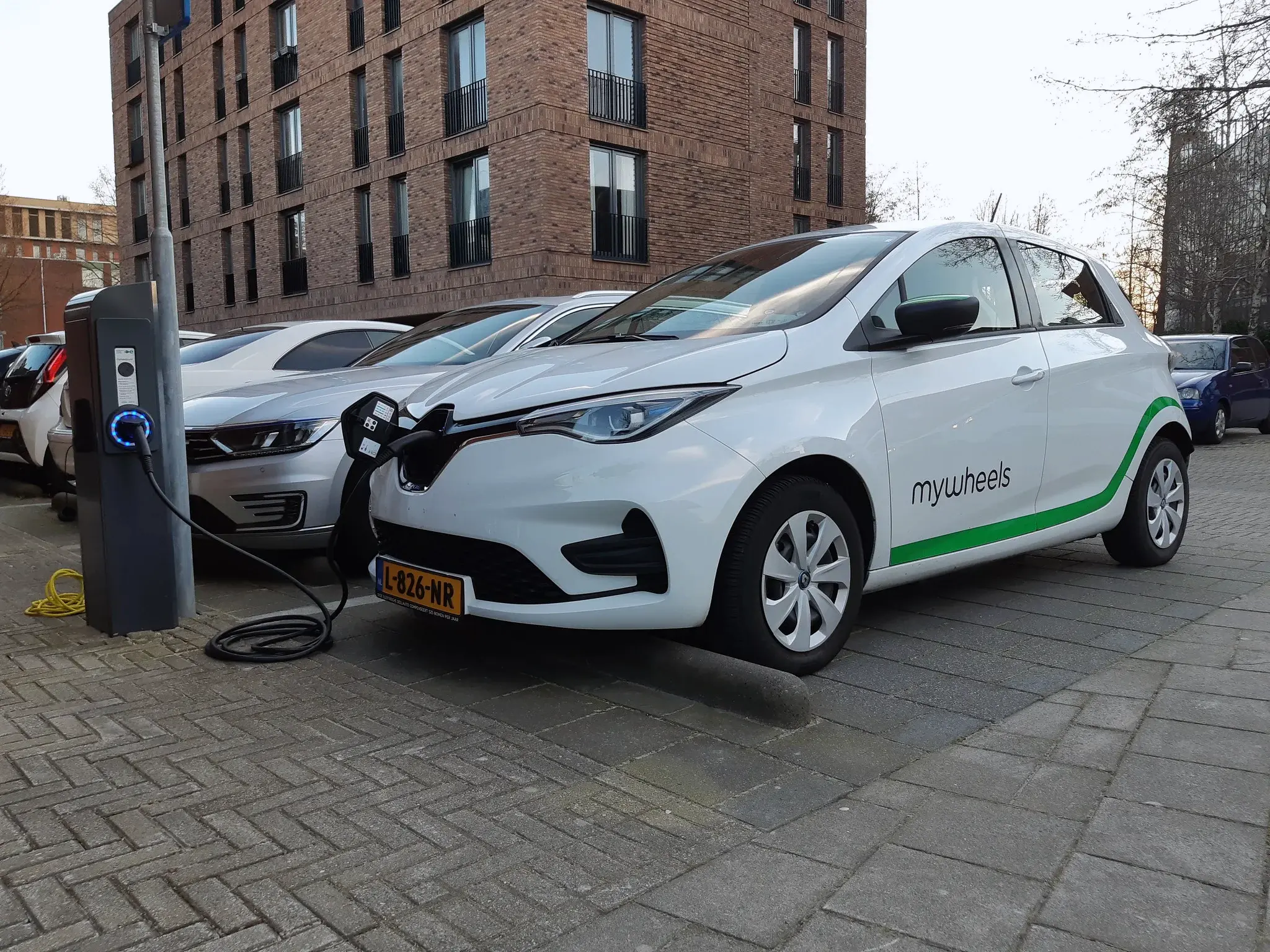
The vinyl wrap market exploded for a reason. It solved real-world problems for real-world owners, particularly in the era of leasing and rapidly changing tastes.
The Compelling Pros:
- Radical Color Change, Minimal Commitment: This is the headline act. Want matte battleship gray on Tuesday and gloss racing orange next year? With wraps, it’s feasible. I’ve followed owners who treat their car like a seasonal accessory. For leased vehicles, it’s a no-brainer—transform the car, then return it to stock with (usually) no penalty.
- Paint Protection: This is often the silent champion. A high-quality clear bra (paint protection film, or PPF) or even a colored wrap shields the factory paint from UV rays, minor abrasion, and road debris. I’ve peeled off 5-year-old wraps to reveal factory paint that looked showroom-fresh. For a new car you plan to keep long-term, a wrap can be a preservation tool.
- Cost for Effect: For a dramatic, uniform color change, a wrap is almost always significantly less expensive than a paint job of comparable visual impact. The labor, while skilled, is different and less invasive.
- Unlimited Creative Expression: Wraps unlocked textures and effects paint could never achieve cost-effectively: carbon fiber, brushed metals, chameleon color-shifts, full custom graphics. The vehicle becomes a canvas in a way that isn’t practical with paint.
- Faster Turnaround: A professional team can wrap a standard sedan in 2-3 days. Your daily driver isn’t out of commission for a season.
The Observed Drawbacks (The Cons):
- A Shield, Not a Cure: A wrap will perfectly mirror the surface underneath. If your paint has chips, scratches, or orange peel, the vinyl will telegraph every single flaw. Proper wrapping demands near-perfect paint prep—correction, polishing, decontamination. It’s not a way to hide a bad paint job.
- Limited Lifespan: Vinyl has a shelf life. In most climates, a high-quality wrap lasts 3-5 years before the adhesive begins to harden, the edges may lift, and UV exposure can make removal difficult. It is a temporary finish by design. I’ve seen neglected wraps turn into a gummy, tearing nightmare upon removal, sometimes taking the compromised clear coat with them.
- Not a Force Field: While it protects against minor scratches, a wrap is not armor. A sharp impact will cut it. Gasoline, brake fluid, and some harsh chemicals can stain or damage the vinyl. Maintenance requires specific, non-abrasive products.
- Installation is Everything: The skill gap between a master installer and a novice is a canyon. Poor installation means premature edge lifting, visible seams, stretch marks over complex curves, and bubbles. The adage “buy the installer, not the film” is 100% true. I’ve seen $5,000 wrap jobs fail in a year due to poor technique.
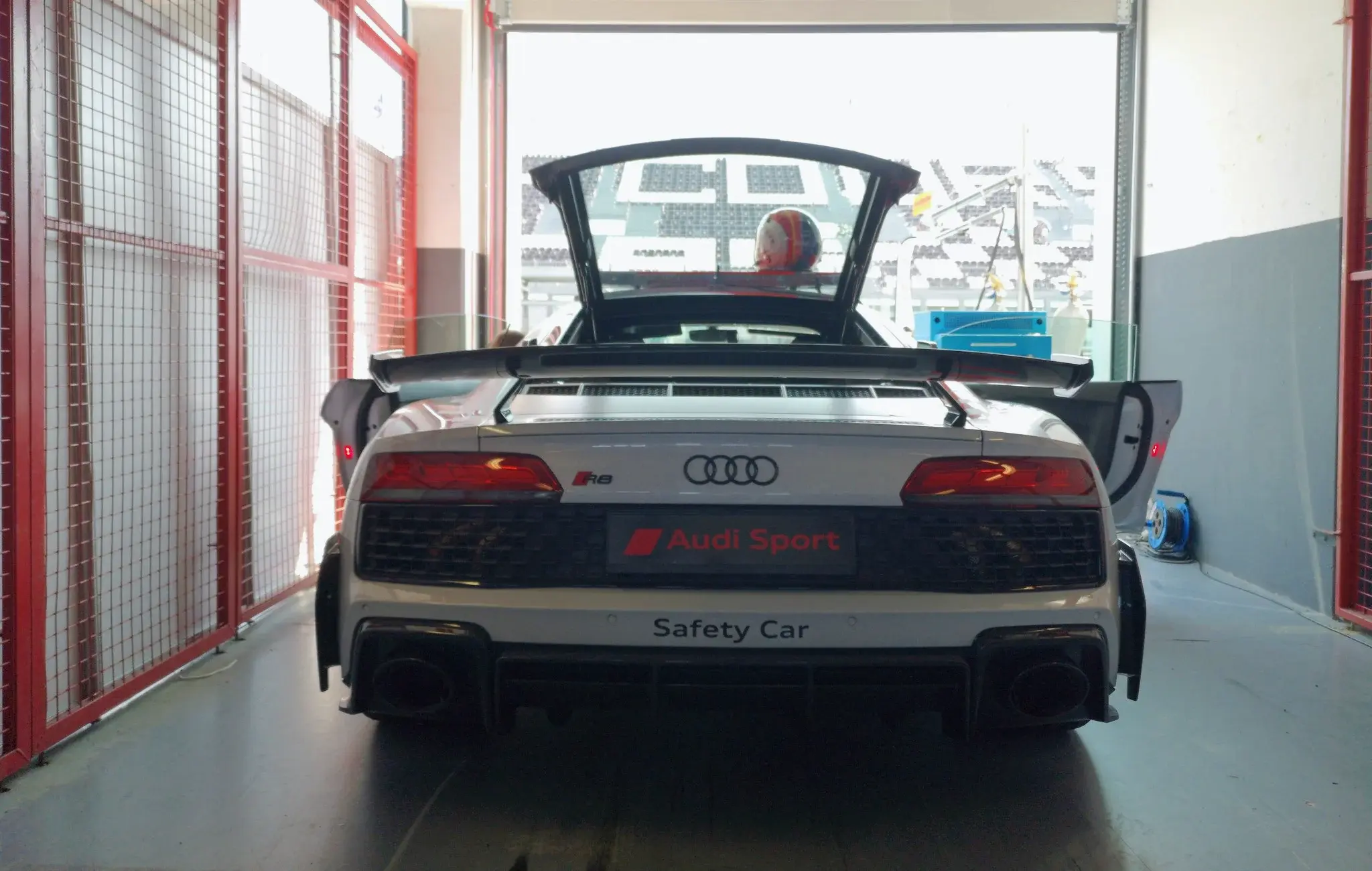
The Side-by-Side Reality Check: Where Theory Meets the Driveway
Let’s move from concept to concrete comparison based on how owners actually use and experience their cars.
- Cost: Wrap wins for initial transformation. A full color-change wrap typically runs $2,500 to $5,000. A quality full respray starts around $8,000 and climbs rapidly into the $15k-$20k+ realm for show-quality work. However, over a 10-year period with two wrap changes, the cost can equal one superb paint job.
- Longevity & Durability: Paint wins, decisively. A professionally applied paint job should last the life of the car with proper care. A wrap is a consumable item with a 3-5 year service interval.
- Maintenance: It’s a tie, but different. Both require diligent care. Paint needs regular washing, periodic polishing, and ceramic coatings or wax for protection. Wraps need gentler washing (no harsh brushes), specific vinyl cleaners, and protection from certain chemicals. Neglect either, and the result is equally ugly.
- Resale Value Impact: Paint for classics, wrap for modern cars (as protection). A documented, high-quality respray on a collectible adds value. A cheap maaco job destroys it. For a modern daily driver, a unique wrap color might narrow your buyer pool, but a well-maintained wrap that protected pristine factory paint underneath is often seen as a bonus.
- The Daily Driver Equation: For the car you rely on, a wrap’s shorter downtime and protective qualities are huge advantages. It lets you experiment without vandalizing the original asset.
The Verdict From the Trenches: Who Should Choose What?
After seeing hundreds of outcomes, my guidance is this:
Choose Traditional Paint If:
- You are restoring a classic, vintage, or collector vehicle.
- The car has significant existing paint damage (rust, deep scratches, failing clear coat) that needs remediation.
- You desire the absolute highest quality finish with perfect OEM color matching and depth.
- You are certain about the color for the lifetime of the vehicle.
- Budget is secondary to a permanent, legacy-grade result.
Choose a Vinyl Wrap If:
- You want a dramatic color change for a fraction of the cost of paint.
- You drive a leased vehicle or know you’ll want a different look in a few years.
- Your primary goal is to protect flawless factory paint on a new vehicle.
- You crave a specialty finish (matte, chrome, graphic design) impractical with paint.
- You cannot afford the significant downtime of a proper paint job.
The Final, Non-Negotiable Step
No matter which path you choose, your single most important investment is in the professional, not the product. A master painter working with mid-grade materials will produce a better result than a hack with the world’s best paint. A world-class installer using a reputable film brand will outperform a cheap shop with “premium” vinyl.
Visit shops. Look at their finished work in person—not just curated Instagram shots. Ask to see a car they painted or wrapped 2-3 years ago. Talk to past clients. Your money secures the outcome, but your due diligence secures your money.
In the end, the right choice honors the vehicle’s role in your life. Is it a forever piece to be preserved and perfected? Then paint it with care. Is it a contemporary canvas for expression and a practical tool to be protected? Then wrap it with flair. Choose with confidence, invest in skill, and enjoy the transformation.