The Psychology of Car Ownership: Why We Love Our Vehicles
We don’t just own cars; we live with them. For over two decades of writing about, driving, and observing this industry, I’ve seen a truth that sales brochures and spec sheets can’t capture: our relationship with the automobile is profoundly, irrationally human. It transcends transportation. We name them. We photograph them. We confide in them on long, dark drives. We remember them long after they’re gone, the way one remembers a first love or a trusted friend from a pivotal chapter of life. This isn’t about horsepower or fuel economy. It’s about identity, sanctuary, and narrative. It’s about why a parked car in a driveway is never just a parked car.
The Car as an Extension of Self: Your Rolling Business Card
From the moment you choose a vehicle, you are making a statement—whether you intend to or not. I’ve watched buyers deliberate for hours over colors and trim levels with a seriousness usually reserved for a tattoo. This isn’t frivolity. The car has become our most public piece of personal property, a mobile annex of our personality we park in the world every day.
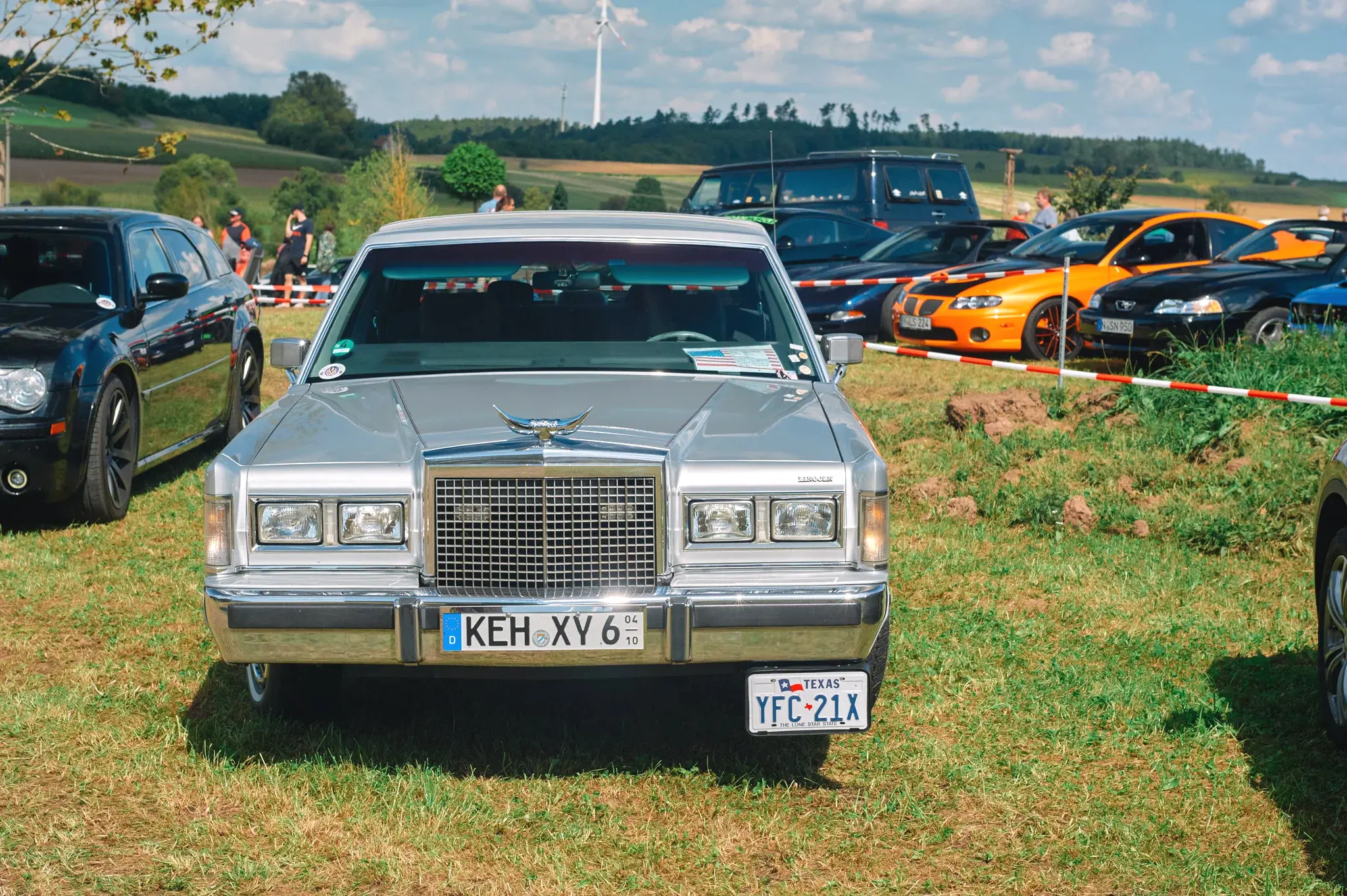
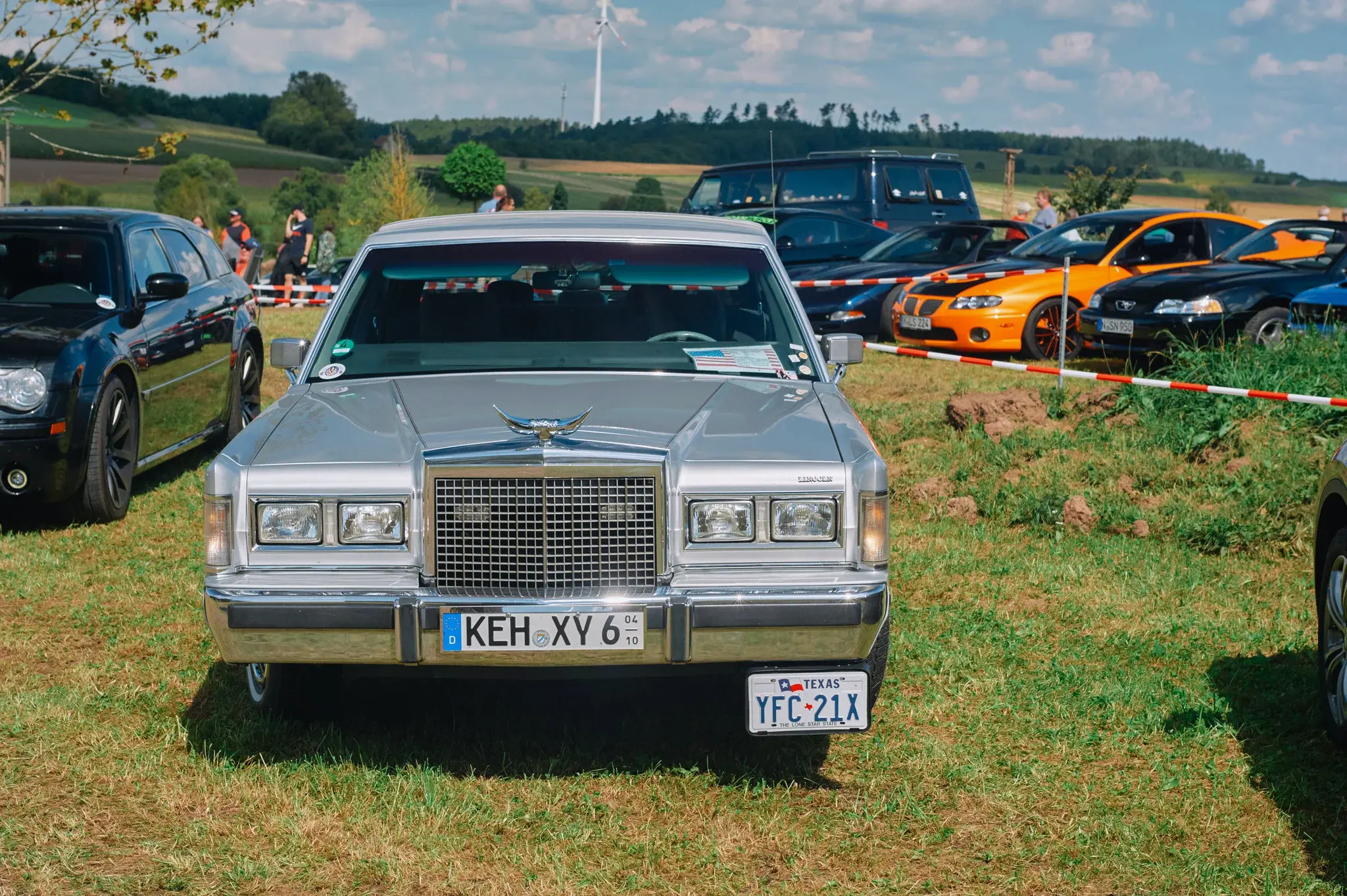
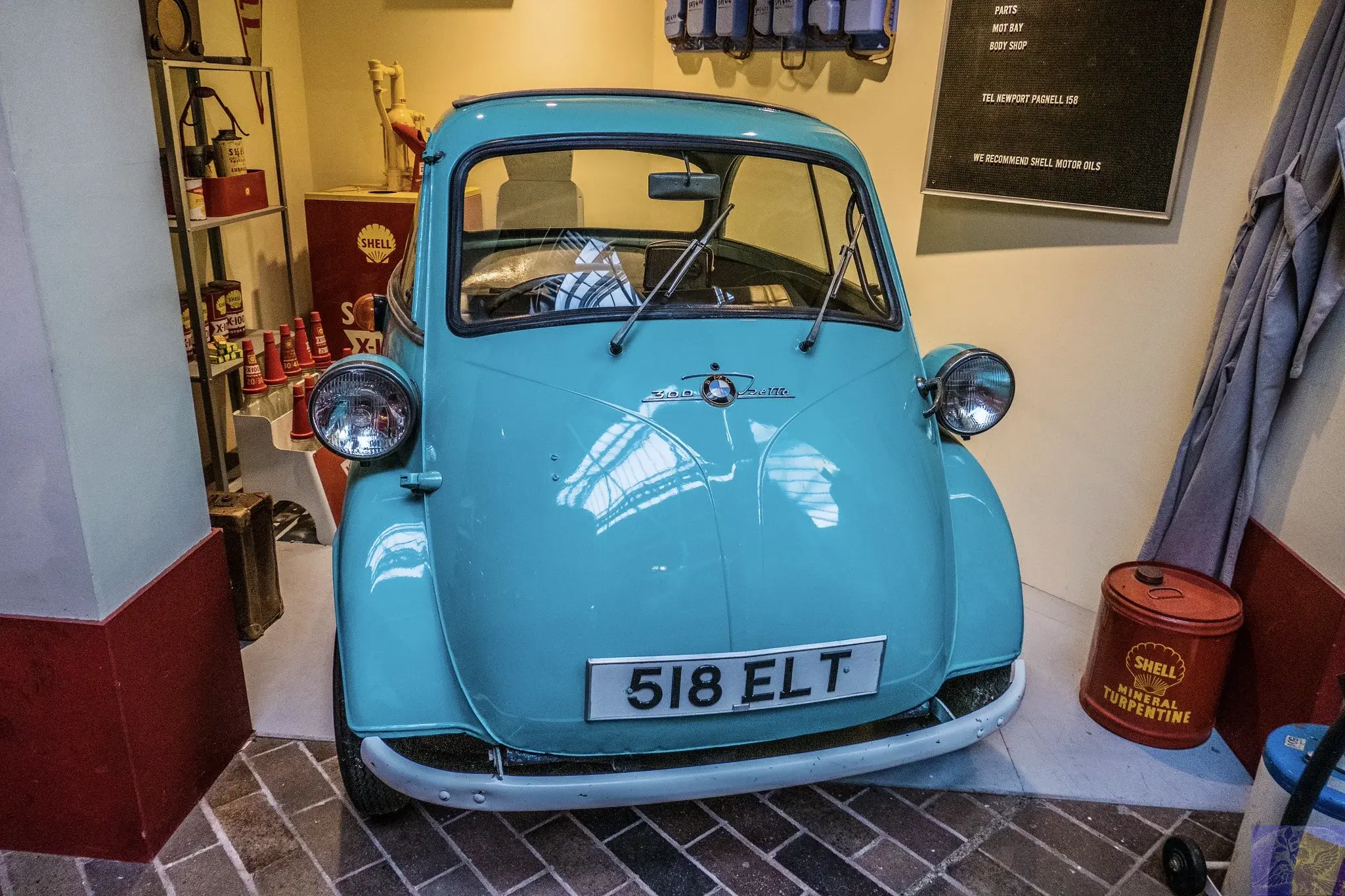
Think about it. The sensible, efficient hatchback signals a practical, no-nonsense approach to life. The rugged, off-road-capable SUV, even if it never sees a dirt road, broadcasts a readiness for adventure, a desire to be perceived as capable and independent. The meticulously preserved classic car is a testament to nostalgia, craftsmanship, and patience. In practice, owners don’t just drive these vehicles; they inhabit the identity they project. The person in the minimalist electric car often engages differently with technology and the environment than the person in the rumbling muscle car. These machines become part of our costume for daily life, and we feel their alignment—or dissonance—keenly.
The Sanctuary on Wheels: Control in a Chaotic World
Modern life is a series of negotiated spaces and compromised control. Our homes have shared walls, our offices have open floor plans, and our digital lives are subject to algorithms and notifications. But inside your car? For those minutes or hours, it is a sealed capsule of autonomy. You control the temperature, the music, the route, the speed (within limits), and the company.
This is the space where people have their most important conversations—hands-free or not. It’s where they sing at the top of their lungs without judgment. It’s where they decompress in silence after a brutal day before walking through the front door to their family. I’ve spoken to countless owners who describe their commute not as a chore, but as essential mental transition time. That driver’s seat is a throne of command in a world that often denies us any. When everything else feels subject to external forces, the simple, tactile act of turning a steering wheel and feeling a vehicle respond is a deep, psychological affirmation of agency.
The Custodial Bond: Care, Maintenance, and Pride of Ownership
There’s a unique bond forged not just in driving, but in caring for a vehicle. This is where the relationship moves from transactional to emotional. I see it in the weekend ritual of washing and waxing, a meditative act of restoration that leaves a tangible, gleaming result. I see it in the pride of a perfectly executed oil change, the satisfaction of replacing worn wiper blades before a storm.
This custodianship creates a feedback loop of investment. The time and effort you put in increase the vehicle’s value to you, far beyond its book value. A clean, well-maintained car feels rewarding to drive; it feels respected and trustworthy. Neglect it, and you feel a subtle shame—the dusty exterior, the cluttered interior, the lingering warning light all become small, daily rebukes. This dynamic explains why two identical models can feel utterly different to their owners: one is an appliance, the other is a charge.
Nostalgia and Narrative: The Vehicle as a Time Machine
No object is better at tying a knot in time than a car. Smells, sounds, and sights are powerfully evocative, but the specific feel of a steering wheel, the pattern of a seat fabric, the view out a particular windshield—these can transport us instantly.
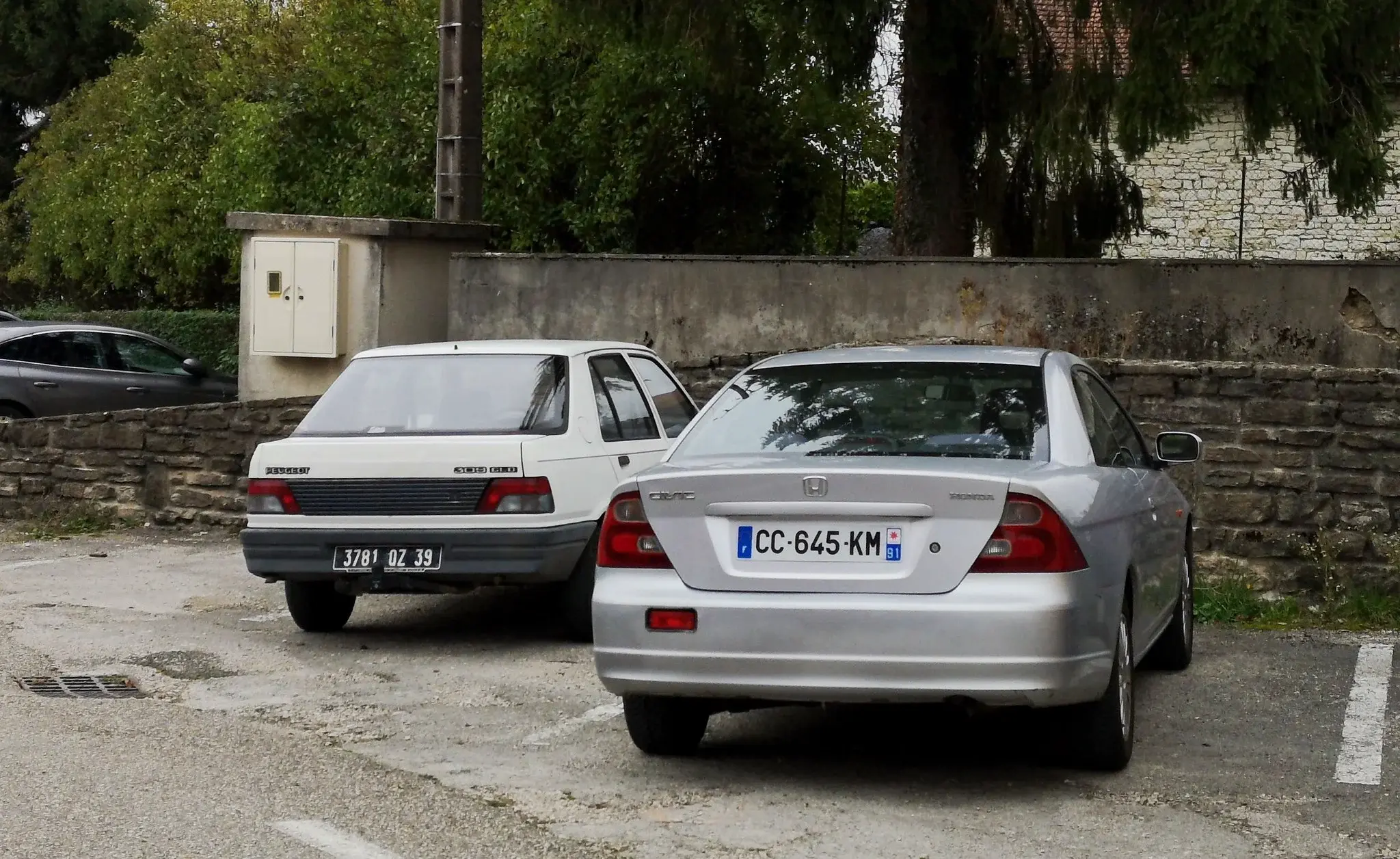
People don’t just remember their first car; they remember who they were in it. The college beater that represented freedom. The minivan that shuttled a young family through a decade of soccer games and road trips. The sports car bought after a promotion or a divorce, symbolizing a new beginning. The car becomes a key character in our personal story. I’ve met grown men and women who get wistful over a long-scrapped Dodge Dart or Honda Civic not because it was a great car, but because it contained a pivotal version of their life. We are nostalgic for the selves we were when we drove them.
Achievement and Aspiration: The Trophy in the Driveway
For many, a car is the most expensive, complex object they will ever personally own. As such, it becomes a three-dimensional manifestation of achievement. It’s a trophy you can use every day. Buying the specific truck, luxury sedan, or sportscar you’ve wanted for years is a powerful act of self-actualization. It’s a signal to the world, and more importantly, a confirmation to yourself: I made it.
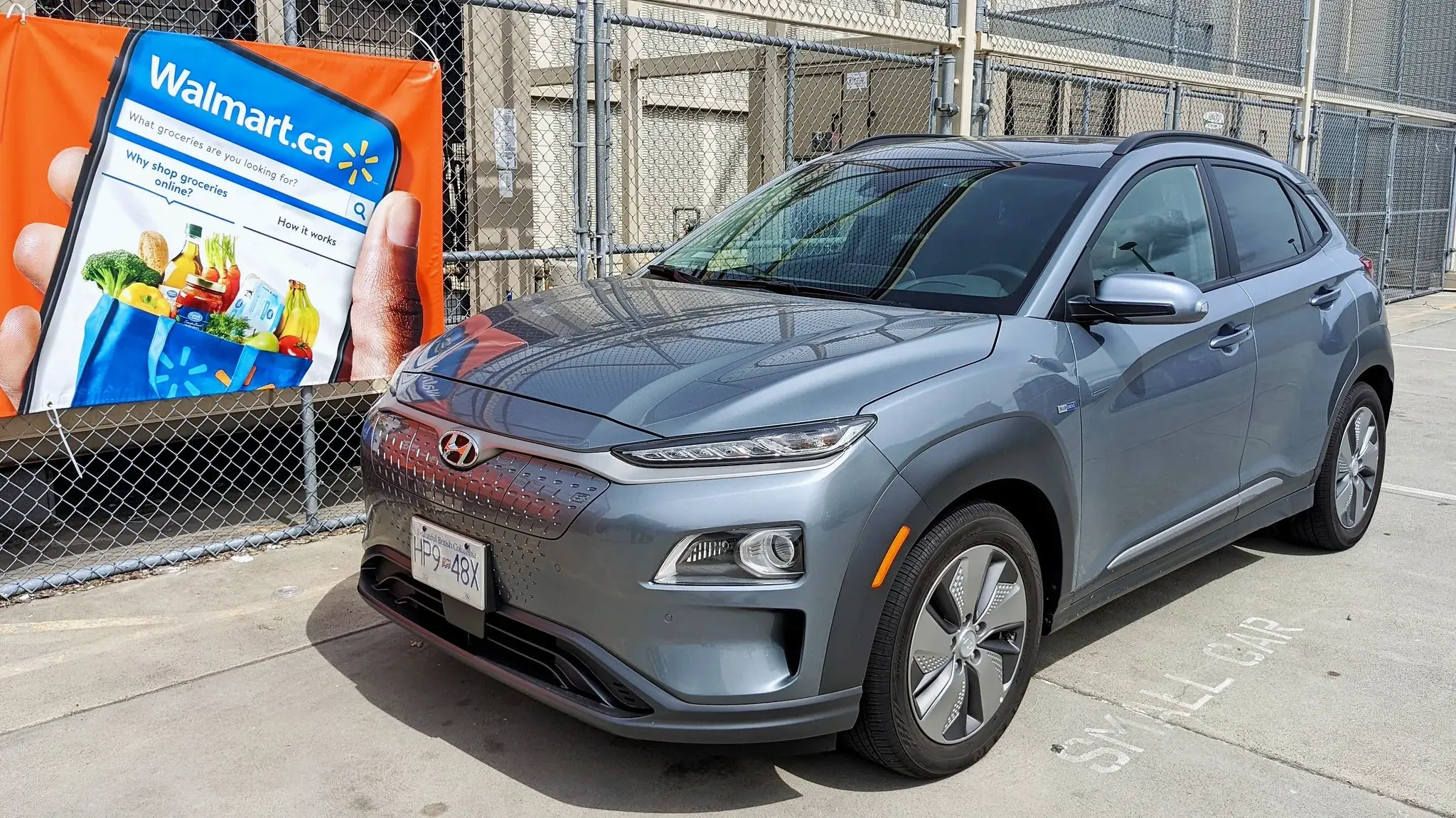
This isn’t mere materialism. It’s the culmination of effort, patience, and ambition given physical form. The care taken with this vehicle is different; it’s protective of a dream realized. This psychology fuels entire market segments. The “attainable dream car” isn’t just a marketing term—it’s a real emotional target people work toward for years. Crossing that finish line delivers a dopamine hit of success that lasts every time you press the start button.
The Tribal Passport: Community and Belonging
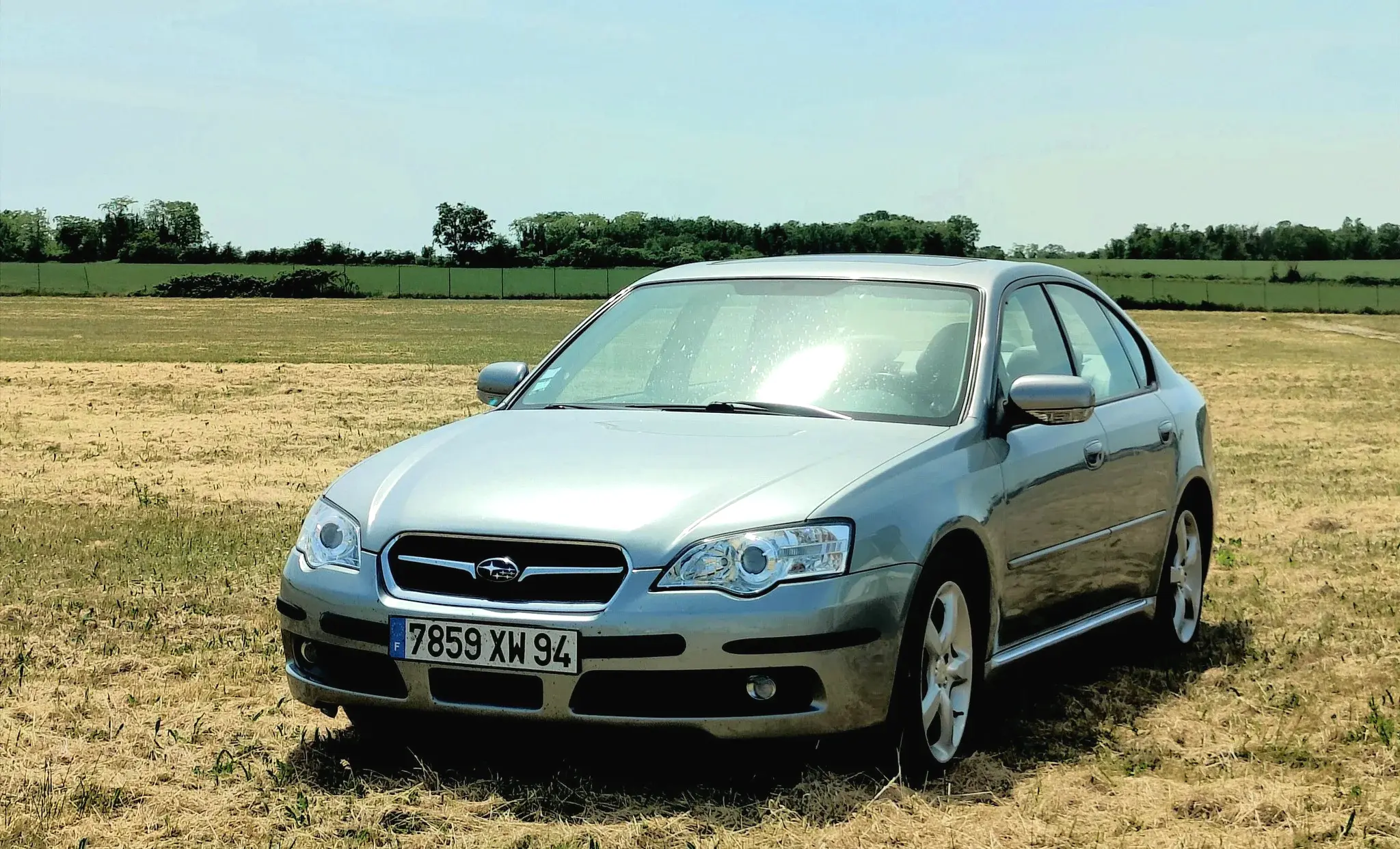
Ownership is often the price of admission to a community. Buy a Jeep Wrangler, and you’ll soon be exchanging the “Jeep wave” with strangers. Restore a vintage Volkswagen, and you’re part of a global fraternity that meets in fields and shares obscure parts knowledge. Electric vehicle owners bond over charging strategies and software updates.
These communities provide validation, support, and shared identity. Your unusual choice of vehicle is no longer quirky among this group; it’s celebrated. Your specific knowledge about its quirks is valued. The car becomes your passport, creating instant camaraderie with people you’ve never met. I’ve seen these relationships form in parking lots at cars and coffee events—lifelong friendships born from a shared appreciation for a particular shape of metal and glass. The vehicle is the tangible center of an intangible social network.
The Paradox of the “Forever Car” and the Inevitable Goodbye
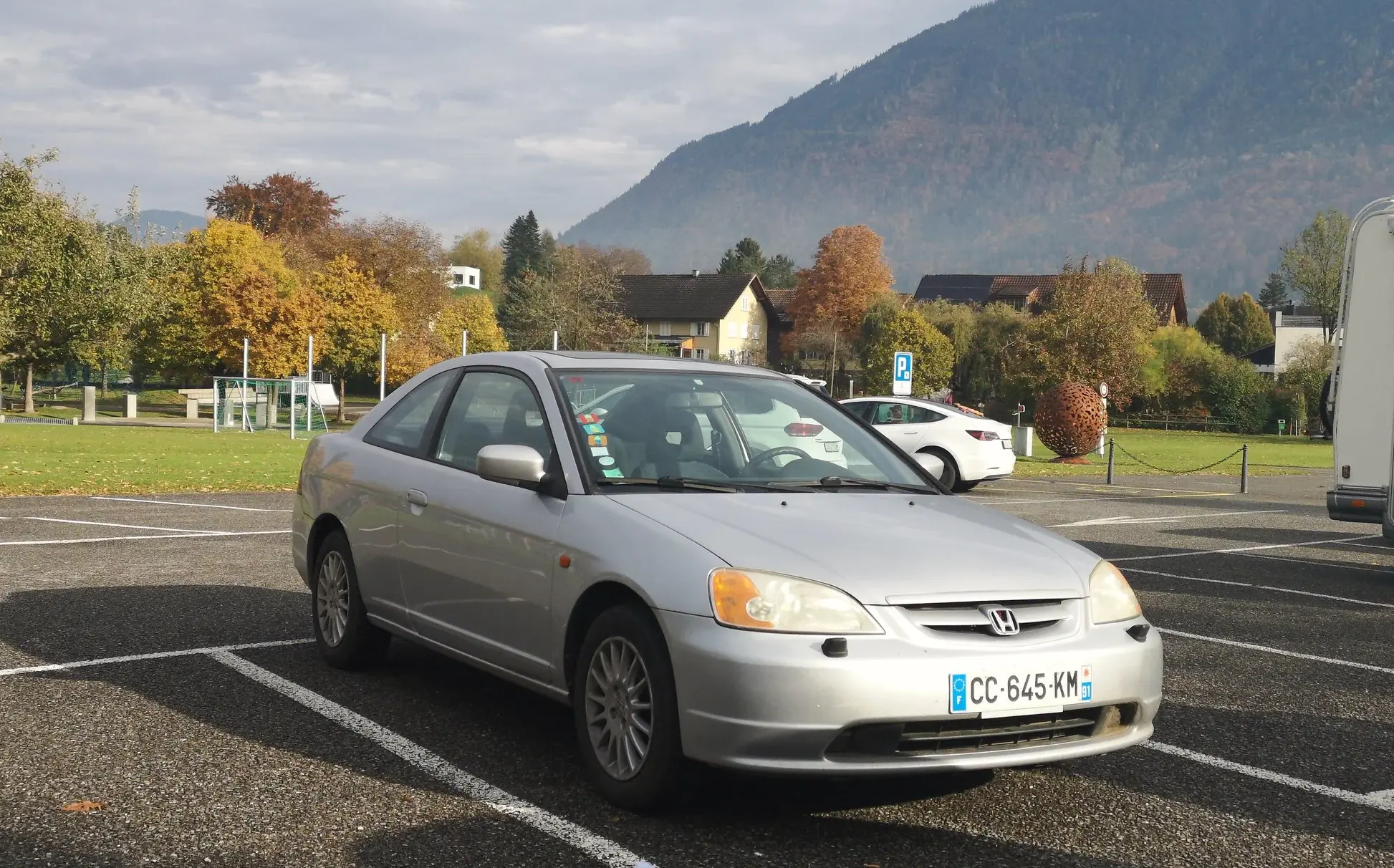
A fascinating pattern I’ve observed is the search for the “forever car”—the one you’ll maintain and drive indefinitely. It speaks to a desire for permanence, for a steadfast companion in life’ journey. Yet, life almost always intervenes. Needs change, families grow or shrink, technology advances, or the siren song of something new beckons.
The goodbye, then, is often surprisingly emotional. There’s a ritual of cleaning it out, finding old parking stubs and forgotten toys, and feeling a pang as you hand over the keys. Rational thought says it’s an asset being disposed of. Emotional truth says you’re closing a chapter. The most heartfelt classified ads aren’t lists of features; they’re short biographies: “Faithful family hauler, needs a new home.” We impute a soul into these machines, and parting with them feels like a minor betrayal.
Ultimately, we love our vehicles because they are the most human of our machines. They are partners in our daily grind, witnesses to our private moments, and canvases for our projected selves. They are tools of freedom, symbols of status, vessels of memory, and catalysts for community. The economics of depreciation matter on a spreadsheet, but in the heart, a car appreciates in stories, in miles shared, and in the quiet, reliable promise of turning over when you need it to. That’s not just ownership. That’s a relationship. And like any good relationship, its value is measured not in miles per gallon, but in moments per mile.