What Are You Really Paying For? The Subscription Model and the Evolving Car
Remember when buying a car was a straightforward transaction? You negotiated a price, perhaps secured financing, and drove away with a key—and with it, the understanding that everything the car could do was now yours. The relationship was simple: you owned a machine, and you were responsible for its upkeep. Today, that relationship is being fundamentally rewritten. A second, softer key fob has been inserted into the industry: the subscription service.
This isn't about satellite radio or connected navigation anymore. We’ve moved far beyond that. I’ve watched from the front row as features already embedded in the metal and silicon of a vehicle—heated seats, enhanced performance, advanced driver-assist systems—have been placed behind digital paywalls. Manufacturers are no longer just selling you a car; they are selling you a platform, and the most interesting features require a recurring fee. The rise of the subscription service in car ownership is the most significant shift in consumer-auto relations since the introduction of leasing. It changes what we own, what we value, and what we’re willing to pay for on a perpetual basis.
The Why: It’s Not (Just) About Greed, It’s About Survival
To dismiss this trend as mere corporate greed is to misunderstand the tectonic pressures reshaping the automotive landscape. From the inside, the logic is starkly clear. I’ve spoken with enough engineers and executives to see the pattern.
First, development costs are astronomical. Engineering a single vehicle platform to handle electric powertrains, Level 2+ autonomy, and hyper-connected infotainment requires investments that dwarf those of the past. These systems are software-defined. The hardware—the sensors, the wiring, the heating elements in those seats—is often installed in every car on the line to simplify manufacturing. The subscription model allows manufacturers to recoup that massive hardware investment from the users who actually value the software-enabled feature, not just the ones who bought the car.
Second, it creates a perpetual revenue stream. The traditional car business is brutally cyclical and episodic: you make money only when a new vehicle is sold. A subscription turns a one-time sale into a continuous relationship. This is catnip to investors who value the predictable, recurring revenue of software companies over the boom-bust cycles of heavy manufacturing. It’s a hedge against the future where vehicle sales may plateau or even decline.
Finally, it enables continuous product evolution and customer segmentation. In the old model, a car was essentially frozen in time the day it left the factory. Now, an automaker can offer a "Performance Boost" subscription six months after purchase, turning a standard sedan into a quicker one with an over-the-air update. They can tailor packages—"Winter Pack," "Road Trip Pack"—that users can activate for the months they need them. This is powerful flexibility, both for the company and, in theory, for the consumer.
The Mechanics: From Convenience to Coercion
In practice, subscriptions manifest in a spectrum, and where they land on that spectrum defines the consumer experience—and backlash.
On one end, you have Genuine Service-Adds. These are new capabilities delivered after the sale. The most cited example is GM’s Super Cruise or Ford’s BlueCruise, which offer hands-free highway driving. The hardware (sensors, cameras) is in the car, but the detailed mapping, validation, and liability coverage is an ongoing service. Most owners I’ve spoken with understand this. They’re paying for updated maps, network connectivity, and the peace of mind that the system is being maintained. This feels like a modern version of buying a detailed atlas subscription for a built-in GPS.
Then there’s the Feature Enablement model. This is where the friction begins. This is the heated seat you already paid for in the car’s build cost, now requiring a monthly fee to turn on. Or the remote start function on your key fob that goes dormant after a trial period. From the manufacturer’s perspective, this allows them to offer a lower entry price—the “$45,000” car is now advertised at “$42,500,” with the fine print revealing the heated steering wheel is extra. But for the consumer at the dealership, the experience is different. They are presented with a car that has the physical buttons or menu options for these features, only to be told they aren’t active. The psychological hit is real: it feels like being shown a fully furnished apartment and then told the couch and TV are rental items.
The most contentious tier is Performance Unlocking. Paying a monthly fee to increase your electric vehicle’s acceleration or extend its range by accessing battery capacity that’s already present and paid for. This crosses a line for many enthusiasts and practical owners alike. It reframes the car from a machine whose capabilities are inherent to a platform whose potential is rationed. You didn’t buy a car; you bought access to a car’s baseline state.
The Owner’s Dilemma: Flexibility vs. Fiefdom
I’ve seen two distinct camps form among owners facing this new reality.
Camp One embraces the flexibility. These are often urban professionals, tech adopters, or two-car households where needs change. They love the idea of activating a towing package for one summer vacation month, or a full-suite driver-assist for a cross-country road trip, without having to spec and pay for those features upfront on a 60-month loan. They view the car as a service, much like their phone. Their primary concern isn’t perpetual ownership; it’s convenient, tailored utility. For them, the subscription model aligns perfectly with a lifestyle that prioritizes access over assets.
Camp Two sees a creeping fiefdom. This group, which includes traditional enthusiasts, long-term planners, and frankly, most people over 40, feels a deep-seated unease. Their concern is about actual ownership erosion. When you stop owning the features of your car, what do you own? A shell? They worry about cost creep—what starts as $15 a month for heated seats becomes $50 a month for a bundle, then $100 for essential safety updates. They fear the “death by a thousand cuts” model, where the true cost of the car is obscured and infinitely inflatable. Most pointedly, they ask: what happens in 15 years to the used car with lapsed subscriptions? Does it become a frustrating husk of unresponsive buttons and locked potential, crippling its resale value and functionality? I’ve seen this anxiety depress the perceived value of otherwise solid used vehicles already.
The Long-Term Road: Inevitable Consolidation and Consumer Pushback
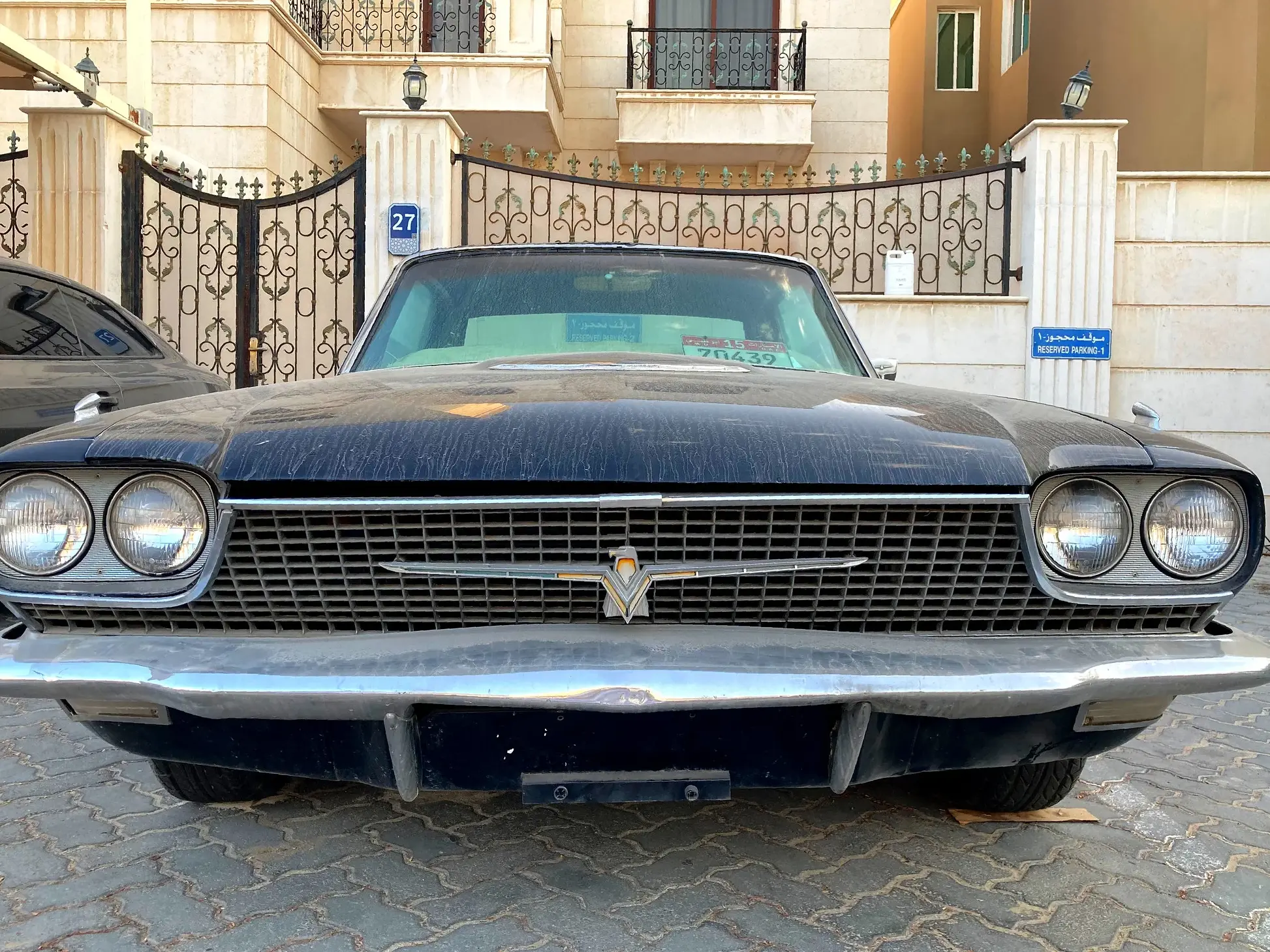
This model is not a passing fad; it’s a cornerstone of the industry’s future. However, its final form will not be the wild west we’re currently seeing. Based on every major market shift I’ve witnessed, two things will happen.
First, there will be a painful but necessary consumer backlash and market correction. We’re already seeing it. Public outcry over specific practices, like BMW’s attempt to charge for Apple CarPlay, has forced reversals. In the used market, third-party programmers are already offering to “unlock” these features for a one-time fee, creating a black market that undermines the subscription premise. Automakers will be forced to differentiate between what is a genuine ongoing service (cloud-based autonomy) and what is a cynical hardware unlock (seat heaters). The former will survive and likely thrive; the latter will either be rolled into purchase prices or abandoned due to reputational damage.
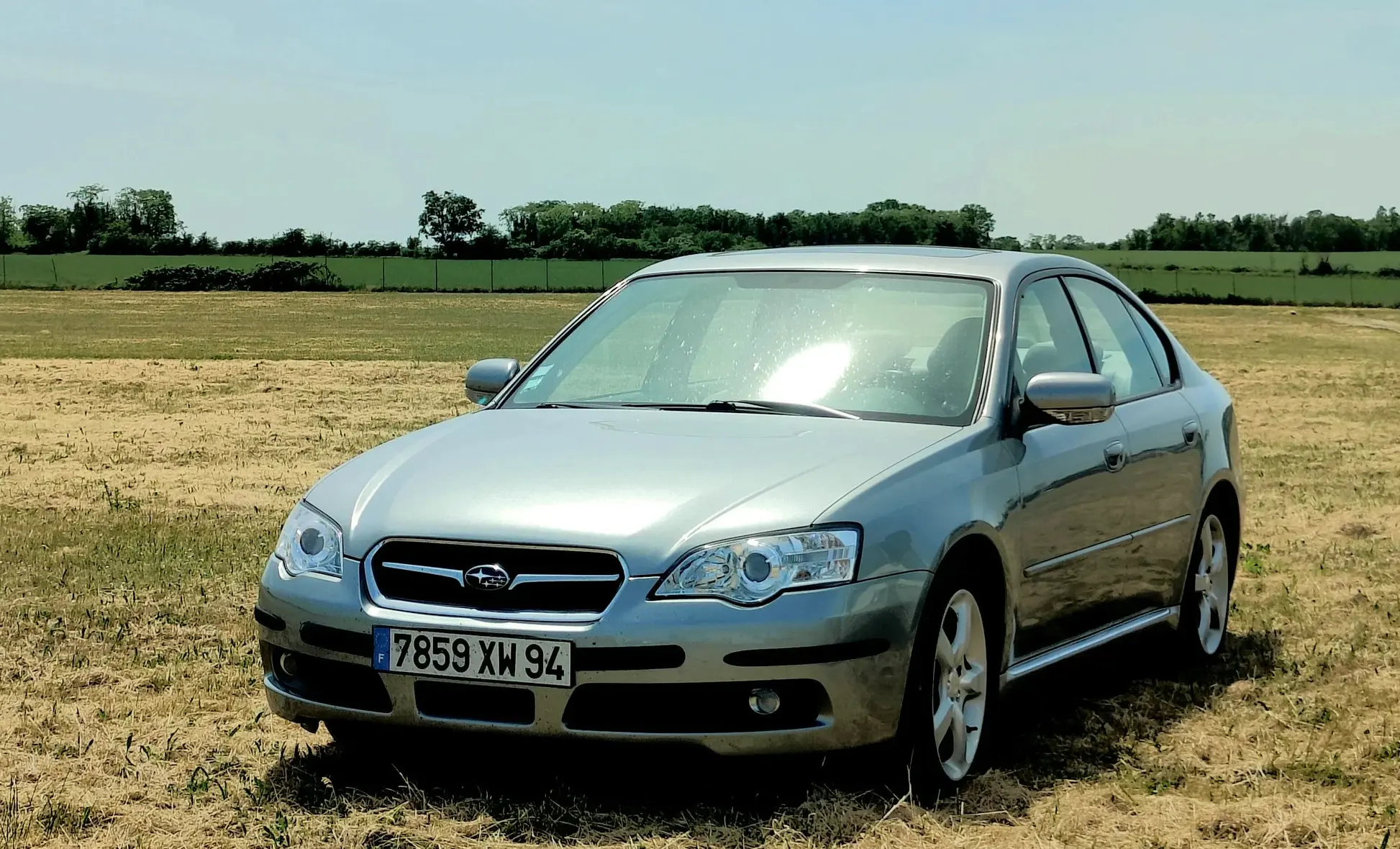
Second, bundling and transparency will become key. The current à la carte menu is confusing and antagonistic. The winning model will be simplified, transparent bundles. Think “Connectivity Plus” or “Ultimate Comfort” packages offered at the point of sale as either a one-time capital cost or a clearer, value-based subscription. The most successful companies will be those that make the subscription feel like an enhancement of ownership, not a diminishment of it.
The Bottom Line: You Must Now Read the Fine Print on the Machine
The rise of subscription services fundamentally changes the calculus of buying a car. It is no longer sufficient to compare sticker prices, horsepower, and fuel economy. You must now ask a new set of questions:
- What features on this car are hardware-dependent but software-locked?
- What is the true “total cost of ownership” over 5 years if I want the car to function as it appears on the showroom floor?
- What is the company’s track record on subscription pricing? Are they known for steep annual increases?
- How will these subscriptions affect the long-term usability and resale value of this vehicle?
The car is becoming a hybrid: part machine, part software platform. As an owner, you are becoming a hybrid as well: part driver, part subscriber. This shift offers genuine potential for personalized, flexible mobility. But it also demands a new level of vigilance. In the end, the market will decide which subscriptions provide real value and which are merely digital tollbooths on a road you already paid to build. Your responsibility is to know the difference before you sign on the dotted line—because that line now stretches out, month after month, for as long as you own the keys.