
Understanding Car Fluids: Are You Ignoring Your Vehicle’s Lifeblood?
Think about the last time you popped your hood. What did you see? A complex tangle of metal, plastic, and wires, right? It’s intimidating. So, most owners focus on the tangible: the tires, the battery, the exterior wash. But what about the fluids coursing through that maze? They are the silent, indispensable lifeblood of your vehicle, and I’ve seen more cars condemned by neglected fluids than by any single mechanical failure. The question isn't whether your car needs them—it does. The real question is: do you understand what they do, what happens when they fail, and why following the "feel" instead of the schedule is a critical mistake?
This isn't about vague maintenance tips. This is about understanding the physiology of your car. From the engine oil that bathes parts in a protective film thinner than a human hair to the brake fluid that must remain absolutely pure to save your life, each fluid has a non-negotiable role. Treat them as an afterthought, and you’re not just risking a repair bill; you’re orchestrating a predictable, and often expensive, breakdown.
The Lifeblood: Engine Oil and Coolant
If the engine is the heart, these two fluids are the blood and the circulatory system. Their failure is catastrophic, and their maintenance is the most frequently bungled by otherwise conscientious owners.
Engine Oil: It’s Not Just for Lubrication Anymore The old adage was "oil lubricates." That’s like saying water is wet—true, but incomplete. Modern engine oil is a high-tech chemical cocktail performing at least five critical jobs: it lubricates to prevent metal-on-metal wear, cleans and suspends sludge-forming contaminants, cools hot spots the radiator can't reach, seals microscopic gaps between pistons and cylinders, and protects against corrosion.
The single biggest pattern I observe? Owners relying solely on mileage intervals. The factory schedule is a guideline for ideal conditions. In practice, most driving is severe: short trips, extreme temperatures, stop-and-go traffic. This "shears" the oil, degrading it faster. I’ve torn down engines where sludge like black tar clung to every surface because an owner religiously changed the oil every 5,000 miles... but their commute was two miles each way. The oil never got hot enough to boil off moisture and fuel contaminants. My informed position: For most drivers, a 5,000-mile interval is a maximum, not a target. Check the dipstick monthly. The oil should be amber to brown on the cloth, not black, and it should feel slippery, not gritty. If it’s consistently black at 3,000 miles, that’s your car telling you the interval is too long.
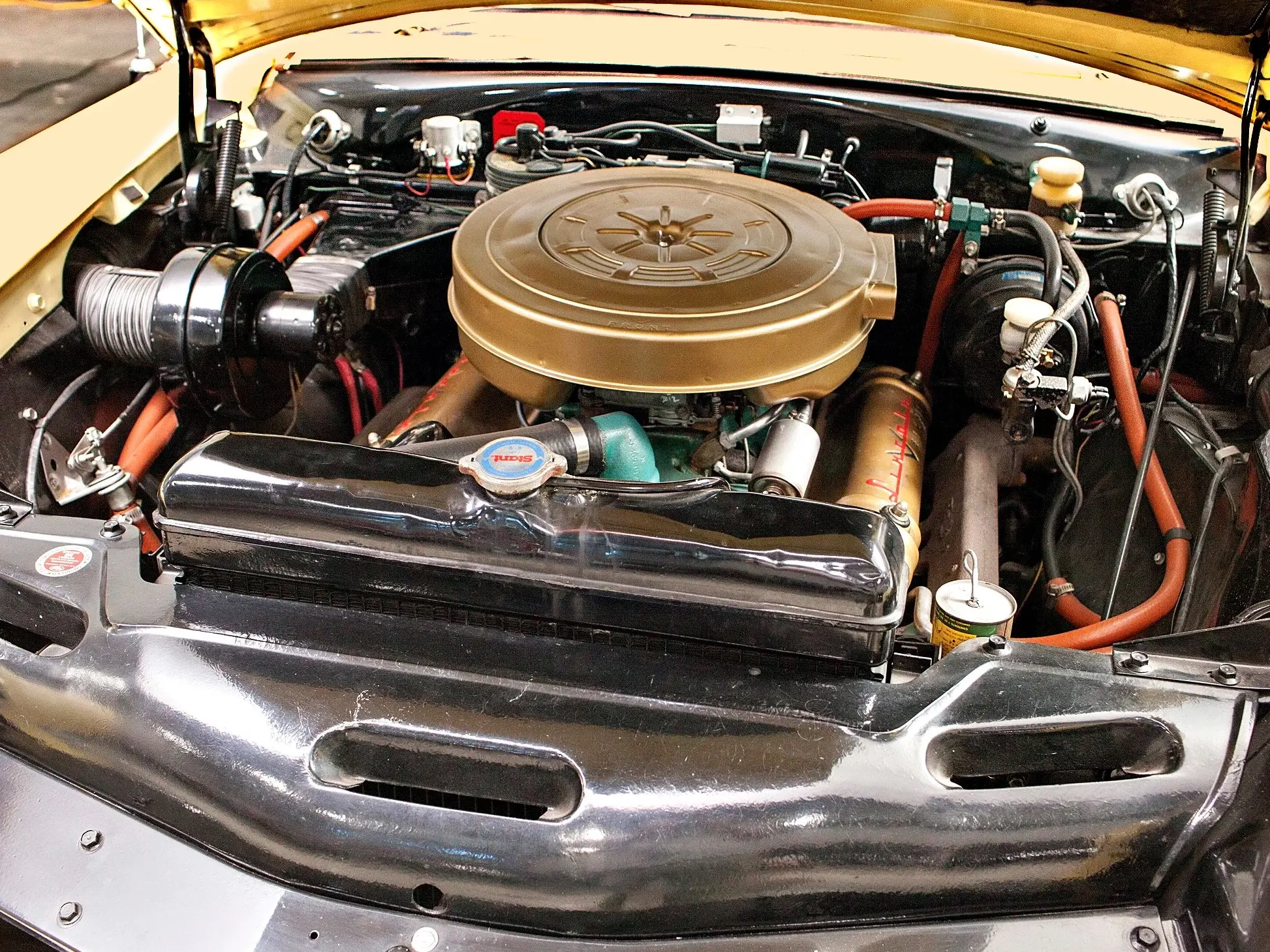
Coolant/Antifreeze: The Temperature Regulator Coolant’s job seems simple: absorb engine heat and dissipate it via the radiator. The reality is more nuanced. It must prevent freezing and boiling, and it contains a package of anti-corrosion additives that deplete over time. This is the critical part owners miss.
The classic failure mode I see is the "lifetime fill" misconception. No fluid lasts a vehicle's lifetime. Over 3-5 years, the inhibitors deplete. Once gone, the coolant turns acidic and begins eating your aluminum radiator, heater core, and intake manifolds from the inside out. The repair is often a cascade: a leaking radiator replaced, followed months later by a failed heater core, because the corrosive fluid was still in the system. Based on evidence from countless cooling system failures: Flush and replace your coolant according to the severe service schedule in your manual, typically every 30,000-50,000 miles or 3-5 years, regardless of mileage. The color is not a reliable indicator of health. Use the type specified by your manufacturer—mixing different chemistries (like OAT and HOAT) can create a gel that clogs the entire system.
The Safety Critical Fluid: Brake Fluid

This is the one that keeps you out of an accident. Brake fluid operates in a punishing environment: it’s hygroscopic, meaning it absorbs moisture from the air through microscopic pores in brake hoses and reservoir seals. This is its fatal flaw.
Here’s the lived-in scenario: A driver complains of a spongy brake pedal, especially after hard driving. They check the pad thickness—plenty left—and assume all is well. In reality, the brake fluid has absorbed moisture. When the brakes get hot, that water boils into steam (which compresses), causing pedal fade. Worse, the moisture corrodes the internal bores of the brake master cylinder, calipers, and ABS modulator from the inside, leading to thousand-dollar repairs.
I take a decisive stance here: Waiting for symptoms with brake fluid is dangerous. Moisture content is invisible. The industry standard is to flush the system every two years, period. It’s not expensive, and it preserves the integrity of your entire, safety-critical braking system. This is non-negotiable preventative maintenance.

The Supporting Cast: Transmission, Power Steering, and Differentials
These fluids work out of sight, and their neglect follows a predictable, expensive timeline.
Automatic Transmission Fluid (ATF): More Than Just Oil ATF is a hydraulic fluid, a lubricant, and a coolant. It enables gear shifts, prevents wear in the planetary gearsets, and transfers power through the torque converter. The "lifetime" claim for some sealed transmissions is a technicality—the "lifetime" is until the transmission fails. Heat is the killer. Towing, aggressive driving, or city traffic overheats the fluid, causing it to varnish and lose its frictional properties.
The pattern is always the same: Slight hesitation on shifts progresses to harsh engagement, then finally, a catastrophic failure. By the time symptoms are obvious, the damage is often done. My experienced advice: For conventional automatics, a fluid and filter service every 60,000 miles under normal use, or 30,000-40,000 for severe use, is cheap insurance against a $4,000+ replacement. For modern sealed units, consult a specialist, but know that "lifetime" is a marketing term, not an engineering guarantee.
Power Steering Fluid and Differential Oil Power steering fluid, often ATF in older cars or a specific fluid in newer ones, endures high pressure and heat. Failure to change it leads to a whining pump and eventually, a stiff steering rack. It’s a gradual decline owners adapt to until it’s acute.
Differential oil (gear oil) in rear-wheel and all-wheel-drive vehicles is perhaps the most forgotten. It’s thick, smelly, and lasts a long time—but not forever. Under high load, it breaks down. I’ve opened differentials where the gear oil was a glittery metallic paste, the bearing and gear wear ground into the fluid itself. A simple 50,000-75,000 mile change prevents this.

The Topping-Off Fluids: Washer Fluid and AdBlue/DEF
These are consumables, not lifelong fluids, but mismanagement causes real headaches.
Washer Fluid: Seems trivial until you need it. In winter, using a summer formula or plain water can freeze, rupturing the reservoir and lines. Year-round, a proper fluid with surfactants and bug remover actually cleans the windshield; water leaves streaks.
Diesel Exhaust Fluid (DEF/AdBlue): For modern diesels, this is a mandated fluid that reduces emissions. The failure pattern is consistent: owners ignore the warning lights until the car’s computer enforces a speed limiter or refuses to start. It’s not a lubricant; it’s a required reagent. Keep a spare jug in the garage.
The Proactive Owner's Fluid Checklist: Moving Beyond Guesswork
Understanding is useless without action. Here’s the practical, observational protocol I recommend:
- Read Your Manual First. It’s not a suggestion booklet. It contains the fluid types, capacities, and severe service maintenance intervals written for your specific vehicle. This is your baseline.
- Monthly Visual Check. When you check your tire pressure (you do check it monthly, right?), pop the hood. Look at the coolant overflow tank level, check the oil dipstick, glance at the brake fluid reservoir. Look for leaks on the ground. This five-minute habit spots problems before they become crises.
- Follow Condition, Not Just Calendar. While time-based rules (2 years for brake fluid) are firm, let condition inform other changes. If your oil is black and thin at 3,500 miles, your driving demands shorter intervals. If your transmission fluid smells burnt or is dark brown instead of bright red, don’t wait.
- Use the Right Stuff. Fluids are engineered chemical systems. Pouring the wrong coolant or ATF can cause immediate and costly damage. When in doubt, buy the OEM-specified fluid. The few extra dollars are irrelevant compared to repair costs.
- Flush, Don’t Just Drain. For critical systems like brakes and coolant, a proper machine flush cycles new fluid through the entire system, pushing out old, contaminated fluid from the calipers and engine block. A simple drain-and-fill at the reservoir only replaces about half the fluid.
Conclusion: Fluids Are the Conversation Your Car Is Having With You
Cars don’t break down randomly. They send signals. Dark oil, a low coolant reservoir, a subtle change in shift feel—these are the opening lines in a conversation about wear and tear. Ignoring them is like ignoring a low-grade fever; the problem doesn’t disappear, it just evolves into something more serious.
Treating your car’s fluids with informed respect is the single most effective form of preventative medicine you can practice. It requires no specialized tools, just a commitment to understanding and a disciplined eye. The payoff isn’t just avoiding a tow truck; it’s the profound confidence that comes from knowing the vital systems keeping you safe and mobile are being cared for properly. In the end, these fluids aren’t just chemicals in a bottle. They are the essential life force of your vehicle. Give them the attention they demand, and they will return the favor with years of reliable service.