The Unavoidable Truth: Understanding Depreciation and Its Effect on Car Value
Let’s start with the one financial truth every car owner learns, often the hard way: your car is not an asset. The moment you drive it off the lot, it begins a steep, inexorable decline in monetary value. This is depreciation, and it is the single largest cost of car ownership—often dwarfing fuel, insurance, and maintenance combined. For decades, I’ve watched buyers focus solely on the sticker price or the monthly payment, only to be blindsided years later when the real cost reveals itself in a shockingly low trade-in offer. Understanding depreciation isn’t just academic; it’s the key to making smarter financial decisions, whether you’re buying new, buying used, or simply planning your automotive future.
What Depreciation Actually Is (And What It Isn’t)

Depreciation is the difference between what you pay for a vehicle and what you can sell it for at any given point. It’s not a linear process, nor is it a reflection of the car’s mechanical condition. A perfectly maintained, garage-kept car still depreciates. Think of it as the market’s collective assessment of desirability, utility, and risk over time.
Many owners confuse depreciation with wear and tear. They are related, but distinct. You can replace worn tires, but you cannot replace a model year. A dented fender reduces value, but so does the mere passage of time. The market inherently values newer over older, the latest features over last generation’s tech, and lower mileage over higher. Depreciation is the financial expression of that preference curve. It’s the cost of consumption, of using up a product that has a finite technological and stylistic shelf life.
The Depreciation Curve: Where the Money Really Disappears

The most critical lesson I can impart is that depreciation is not a gentle slope. It’s a cliff, followed by a hill, followed by a long, slow plain.
The First-Year Cliff (20-30% Loss): This is where the most brutal financial hit occurs. A new car loses a significant portion of its value the moment it’s titled. Why? It’s instantly no longer “new.” The next buyer faces the inherent risk of a first owner’s driving habits and loses the allure of being the original owner. In practice, driving a $40,000 new car off the lot makes it a $32,000 used car in the market’s eyes. There is no avoiding this unless you are the second owner.

Years Two Through Four (The Steady Hill): After the initial shock, depreciation settles into a still-steep but more predictable annual decline of 15-20% per year of the original value. This is the zone where off-lease vehicles flood the market, providing strong competition and setting benchmark prices. By the end of year four, a typical car is often worth less than 40% of its original MSRP.
Year Five and Beyond (The Long Plain): Around the five-to-seven-year mark, the curve flattens significantly. The car has shed most of its “newness” premium. Its value now hinges more on its remaining useful life, reliability reputation, and condition. Depreciation might slow to 5-10% per year, or even less for durable models. This is the sweet spot for value-focused owners—the point where someone else has absorbed the catastrophic early losses.
The Major Accelerators: What Makes Value Vanish Faster
Through years of observing auction results and trade-in appraisals, I’ve seen clear patterns. Certain choices amplify depreciation, turning that cliff into a sheer drop.
- High MSRP and Excessive Options: Luxury badges and high-trim models often depreciate at a faster percentage than their mainstream counterparts. A $15,000 optional sound system or performance package might add $500 to the car’s value in three years. Options are for your enjoyment, not your investment.
- Poor Reliability Ratings and High Maintenance Costs: The market is not stupid. Brands and models with publicly known issues—expensive repairs, poor durability scores—are punished. A car with a reputation for costly transmission failures will be worth thousands less than a reliable competitor, regardless of the individual vehicle’s history.
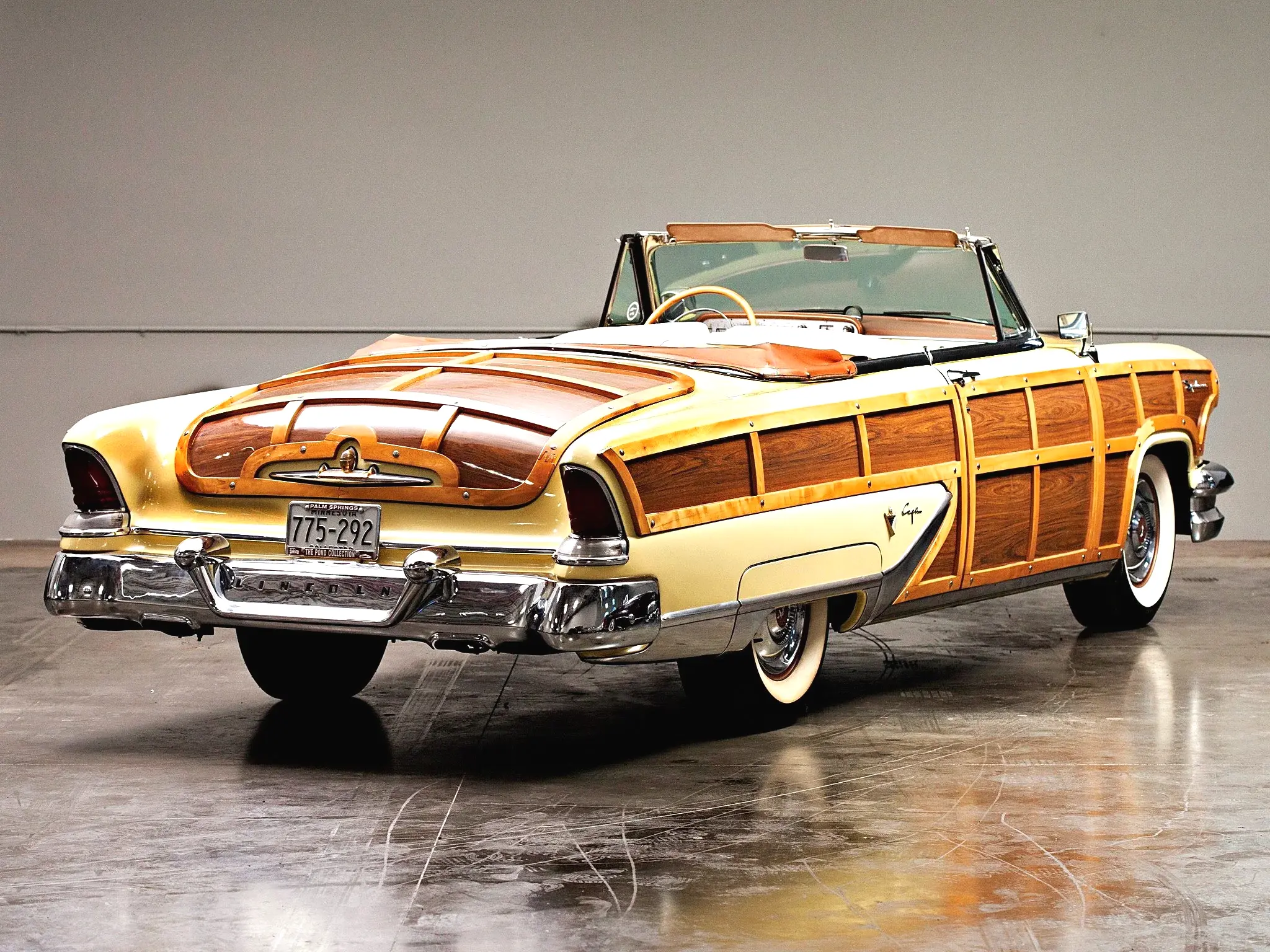
- Dramatic Style or Niche Segments: Cars with polarizing design or limited appeal (sporty coupes, ultra-large SUVs, convertible versions of sedans) have a smaller pool of future buyers. Less demand equals steeper depreciation. The safe, mainstream midsize sedan or compact SUV will always have a broader market.
- Mileage Accumulation: This is the most straightforward accelerator. The market uses mileage brackets (e.g., under 50k, under 100k) as psychological price points. Exceeding these brackets triggers a disproportionate drop. Two otherwise identical five-year-old cars can have a 20% value difference based on 40,000 vs. 70,000 miles.
- Fleet/ Rental History: A vehicle history report showing rental or daily fleet use is a red flag for retail buyers. These cars sell for less at auction and thus start their used life from a lower value base, perpetuating deeper depreciation.
The Value Preservers: Slowing the Inevitable
Just as some factors accelerate the process, others can apply the brakes. Smart buyers look for these traits.
- Strong Brand Reputation for Durability: It’s a cliché for a reason. Brands that have cultivated a decades-long reputation for building vehicles that last 200,000 miles with minimal drama consistently have the best residual values. The market pays a premium for perceived longevity and lower future repair risk.
- High Demand and Low Supply: The most basic economic principle applies. Models that are perpetually in short supply on the used market—whether due to production limits, sustained popularity, or high scrappage rates—hold their value better. This is often seen with certain trucks, iconic off-roaders, and practical, no-nonsense vehicles.
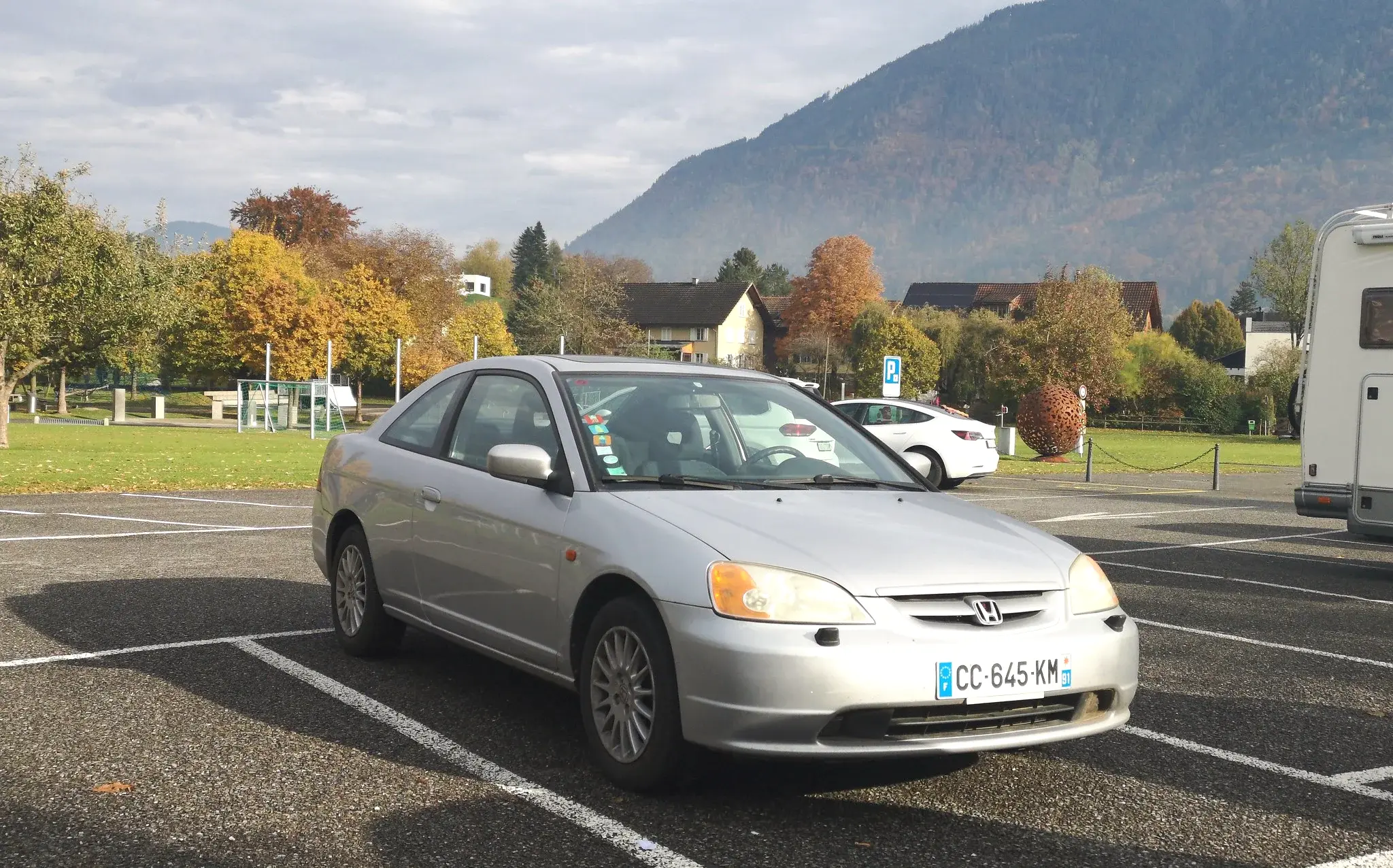
- Classic Colors and Conservative Specs: While you might love the bright yellow paint, the future market of 50 potential buyers might not. White, black, silver, and gray dominate resale. Similarly, a mid-level trim is almost always the sweet spot for value retention, offering popular features without the costly extras that vanish.
- Meticulous Documentation: I cannot overstate this. A thick, organized file of every service record, oil change, and repair—especially at authorized dealers or reputable specialists—directly translates into dollars at trade-in or private sale. It removes doubt for the next owner. A car with a perfect history is a rarer and more valuable commodity than an identical car with gaps in its story.

The Strategic Implications: How to Use This Knowledge
Understanding depreciation changes your entire approach to car ownership. It moves you from a passive consumer to an informed strategist.

For the New Car Buyer: You must go in accepting the first-year hit as the cost of immediate gratification. To mitigate it, choose a model known for strong residuals, avoid over-optioning, and plan to own the vehicle for a long time (7+ years) to amortize that initial loss over many years of use. Leasing can be a rational choice here, as you’re only financing the depreciation period you use.
For the Used Car Buyer: This is where the savvy money plays. By targeting a 2-4 year-old vehicle, you let the first owner absorb that catastrophic depreciation. You’re buying a car that has already stabilized on the flatter part of the curve. Your annual cost of ownership, factoring in purchase price and your own future depreciation, will almost always be lower. Focus on certified pre-owned (CPO) programs from strong brands—they often offer the best intersection of value, warranty, and vetted history.
For the Current Owner: Your goal is to preserve the remaining value. That means consistent maintenance, avoiding accidents (even minor fender-benders on a Carfax report are value-killers), and keeping mileage reasonable if possible. When it’s time to sell, a private sale will nearly always net you more than a trade-in, as you’re marketing to the end user, not a dealer who needs to resell for a profit.
The Final Tally: Reframing the "Cost" of Your Car
We need to stop thinking about a car’s cost as its purchase price. The true cost is Purchase Price minus Projected Resale Value. That difference is your real expense. A $30,000 car you sell for $18,000 after five years cost you $12,000 to own (not including operating costs). A $45,000 car you sell for $15,000 after the same period cost you $30,000. The more expensive car was, in this example, a far more devastating financial proposition.
Depreciation is not your enemy if you understand it. It is a predictable force, like gravity. You can’t defy it, but you can build your plans with it in mind. The most financially sound car owners I’ve met aren’t necessarily the ones who buy the cheapest car; they’re the ones who buy the right car at the right point in its life cycle, maintain it impeccably, and sell it before its value enters terminal decline.
Your takeaway is this: Before you fall in love with a model, look up its projected resale value. Before you load up on options, ask yourself what they’ll be worth in five years. And before you decide between new and used, run the numbers on total cost of ownership, not just monthly payment. Make depreciation the central pillar of your calculation, not a tragic footnote discovered too late. Your wallet will thank you for years to come.